


 English
  Español
  عربى
عربى
product
product
product
product
product
product
product
product
product
product
product
product
product
product
product
product

Product Series
Product Category
Contact us
Leisure Chair Manufacturers
-
Fabric Wood-Frame Lounge Chair
-
Mid-Century Modern Solid Wood Frame Fabric Lounge Chair
-
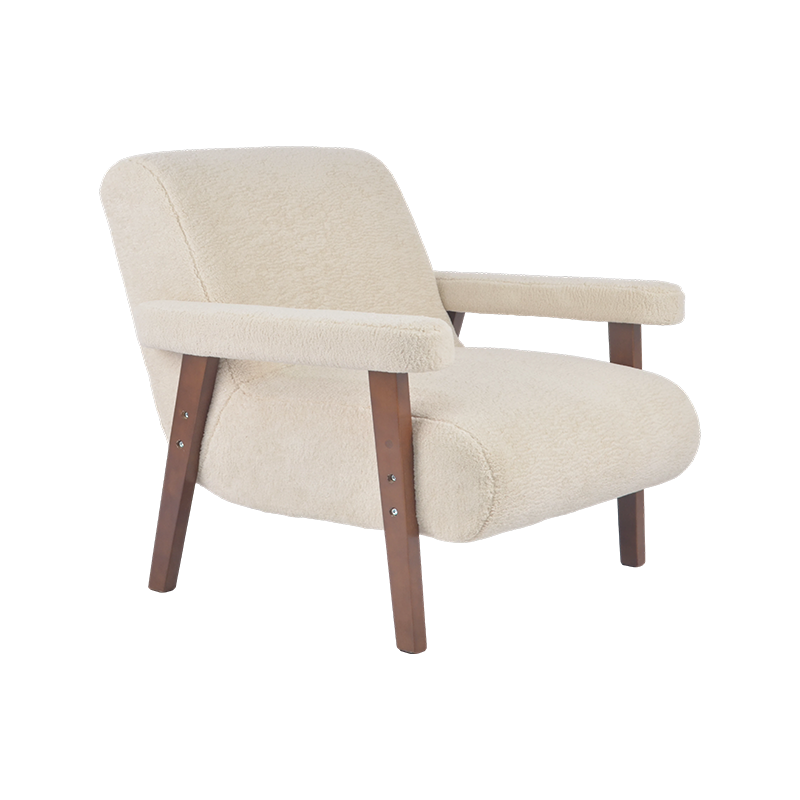
Nordic Modern Solid Wood Accent Lounge Chair
-
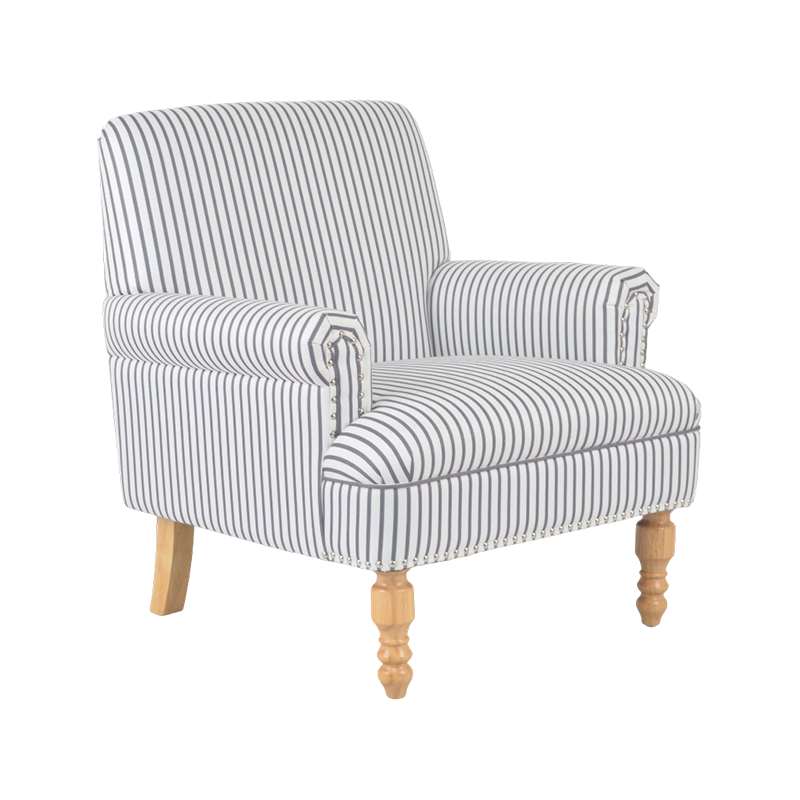
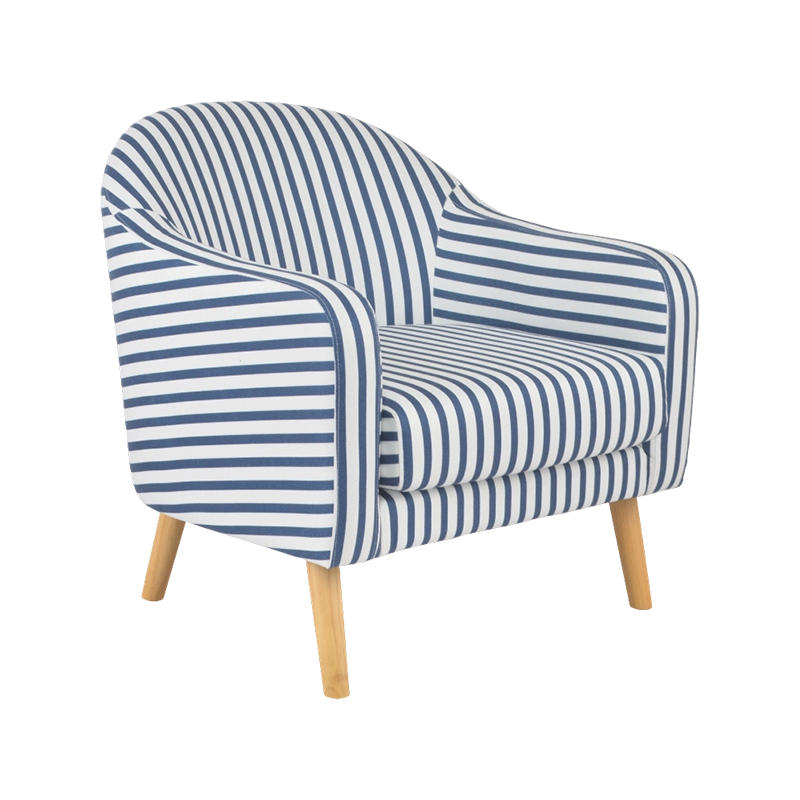
Classic Striped Upholstered Armchair with Turned Legs
-
Modern Striped Barrel Accent Chair
-
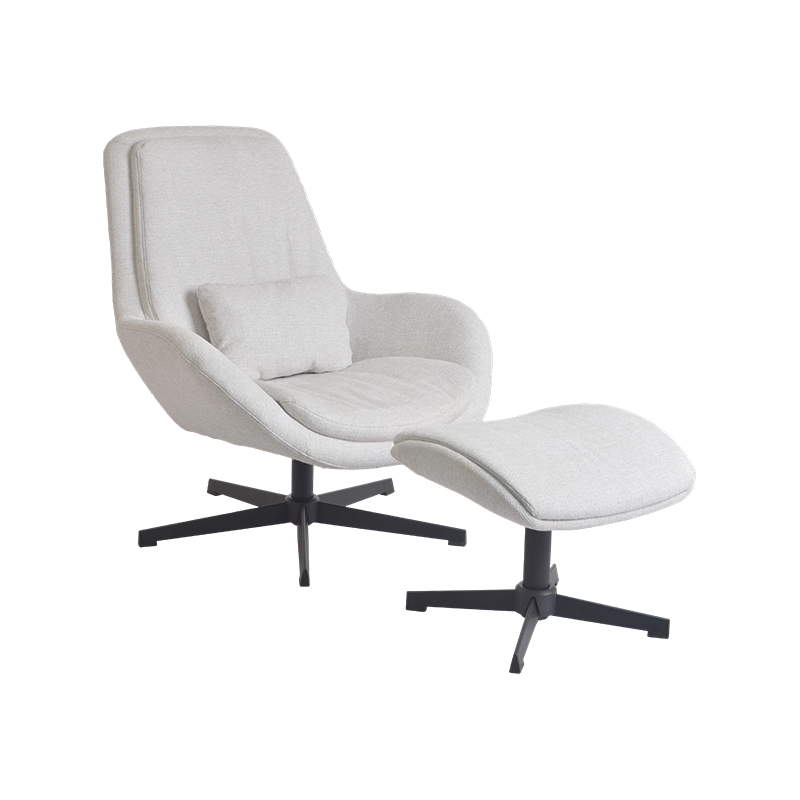
Modern Swivel Recliner Chair with Ottoman
-
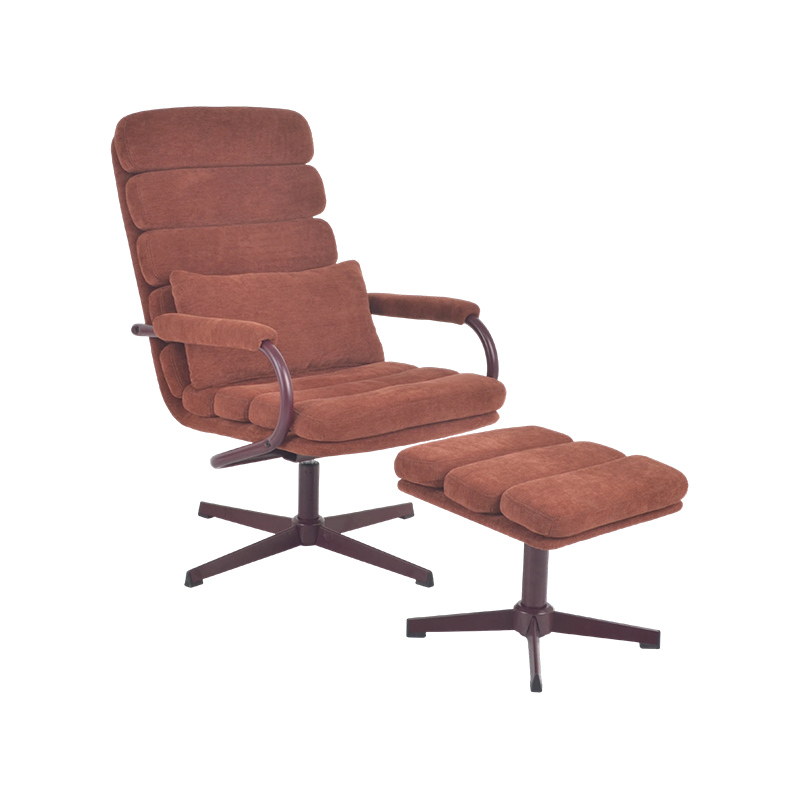
Mid-Century Modern Swivel Recliner with Ottoman
-
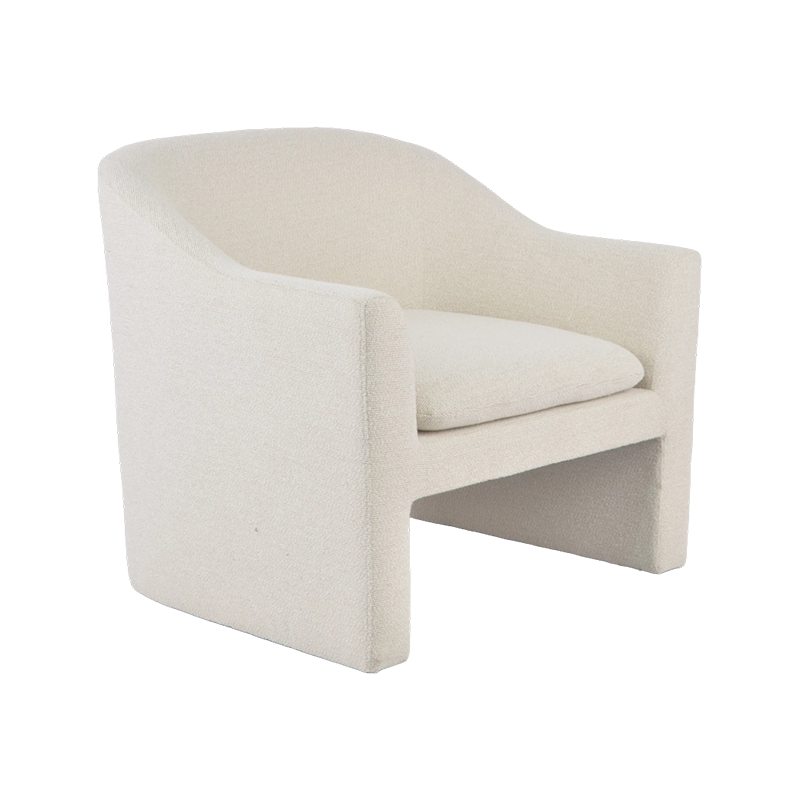
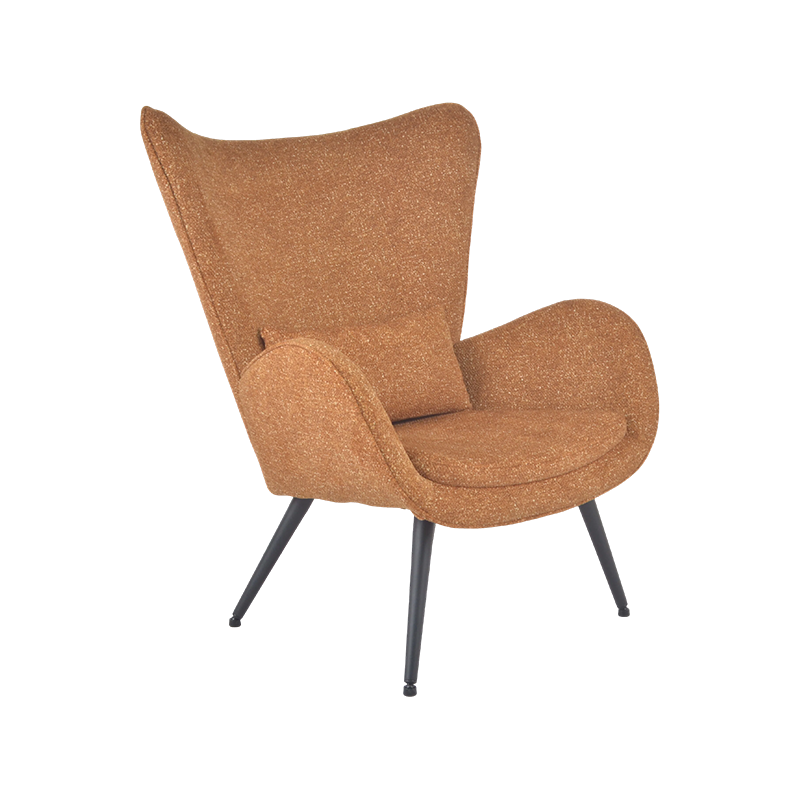
Organic Modern Sculptural Accent Chair
-
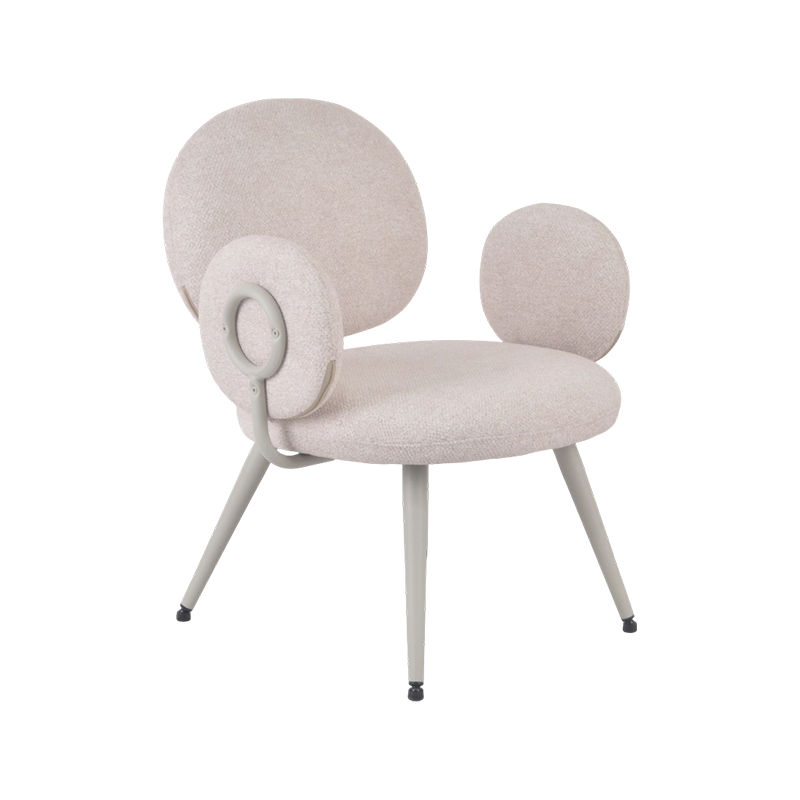
Playful Circular Accent Chair with Ring Detail
-
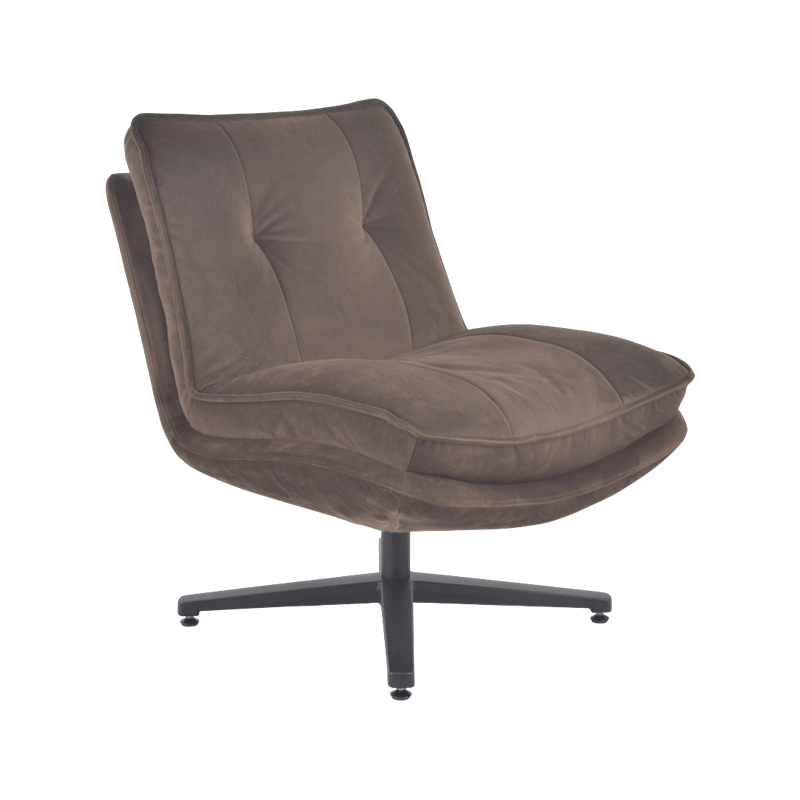
Modern Velvet Swivel Accent Chair
-
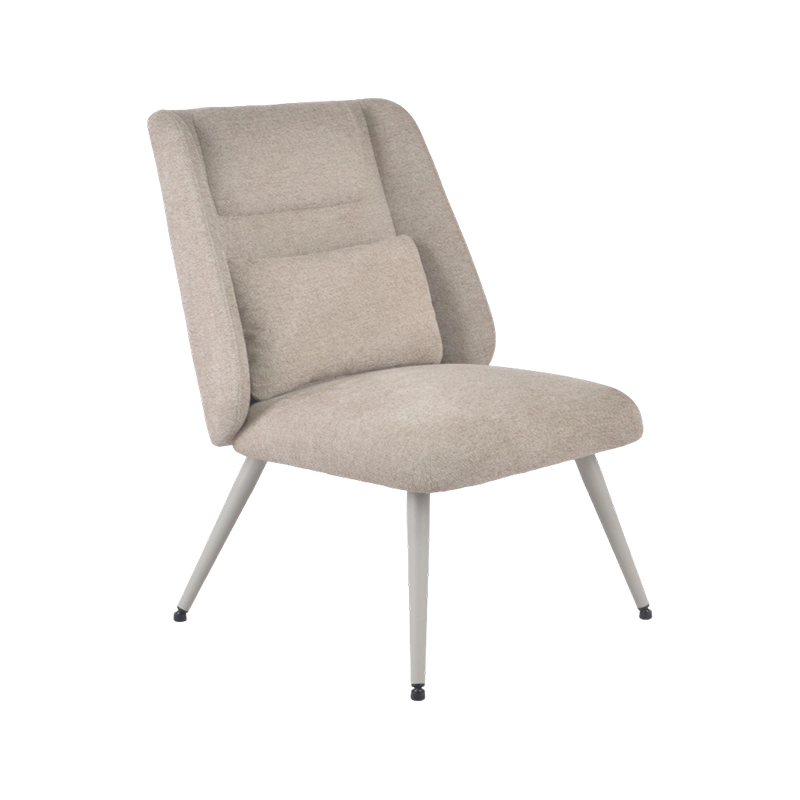
Minimalist Accent Chair with Lumbar Pillow
Message Feedback
About Us
Professional Office Furniture Manufacturer
Founded in 2007, Zhejiang HAOGUO Furniture Co., Ltd. is a professional office furniture manufacturer integrating R&D, production, and sales. Leisure Chair Manufacturers and Leisure Chair Factory in China. The company focuses on the R&D and manufacturing of office chairs, sofas, and other office furniture. Equipped with professional, standardized, and modern production lines, it has an annual production capacity of 2 million pieces. Wholesale Leisure Chair. With stable quality and innovative design, the company's products are exported to more than 40 countries and regions worldwide, including Europe, the United States, the Middle East, and Asia, and are highly recognized by customers at home and abroad.
-
30+
Industry Experience
-
260+
Technical Staff
-
68000m2
Factory Area

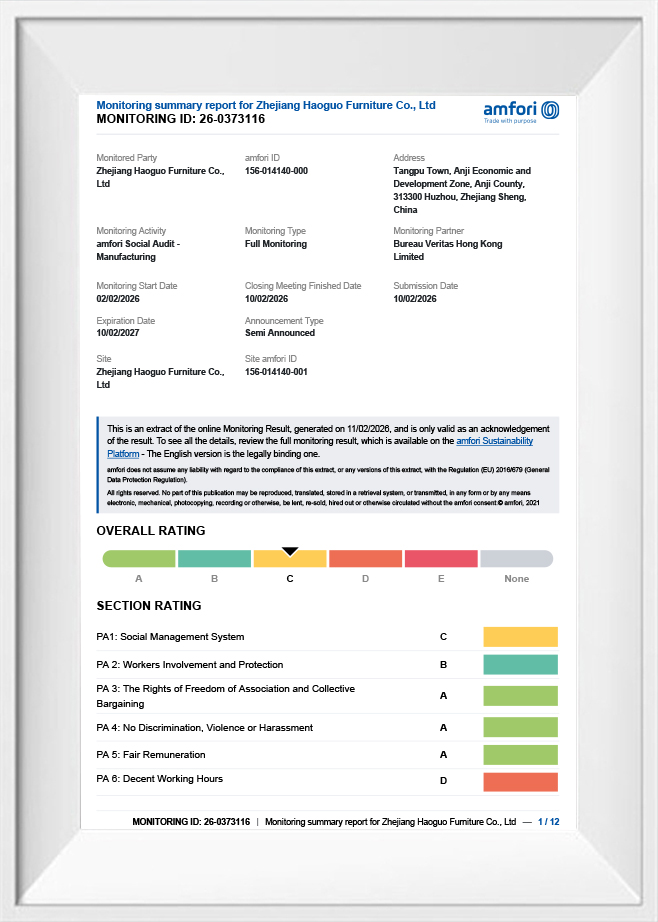
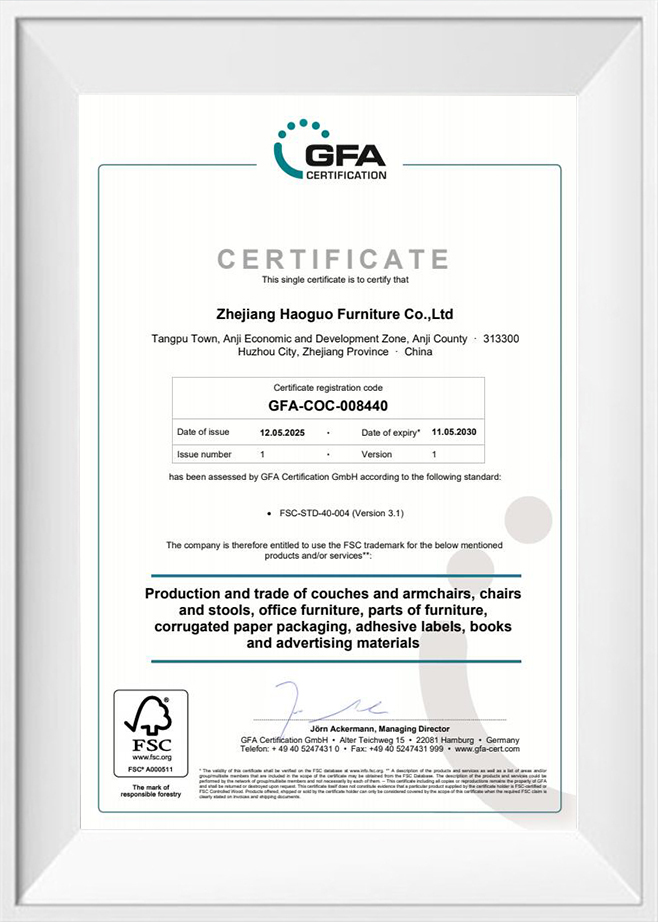
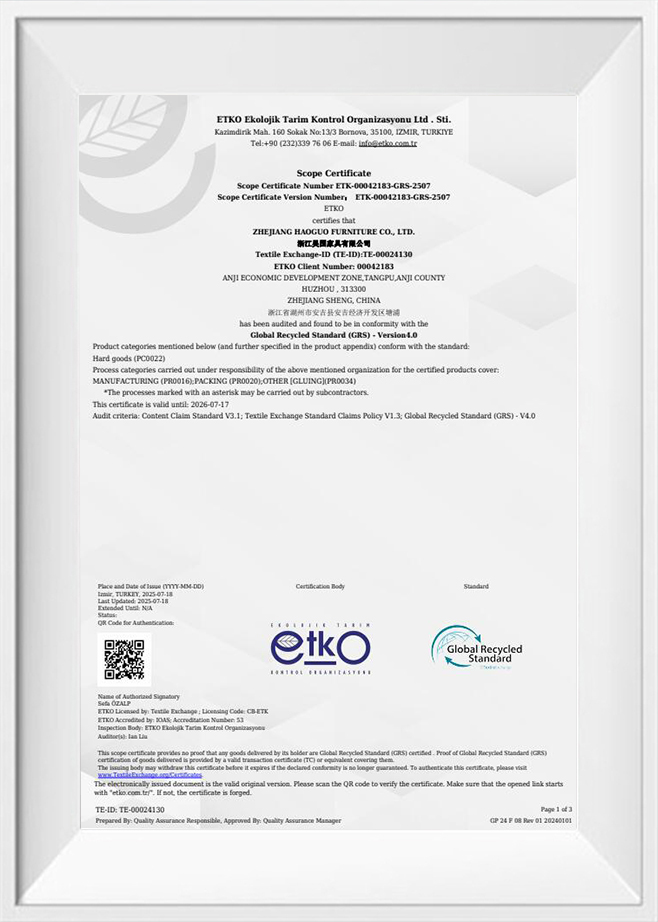
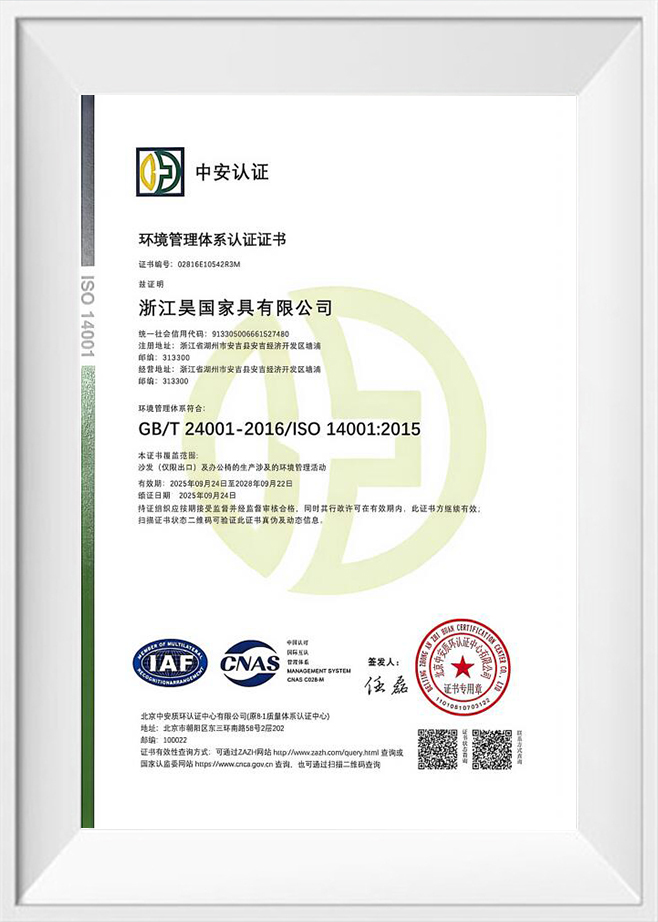
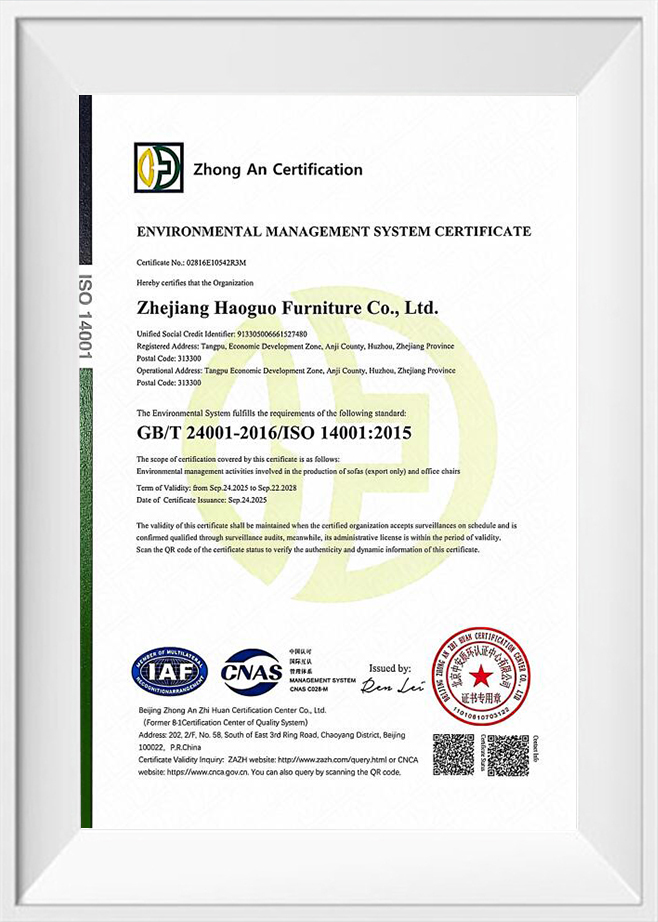
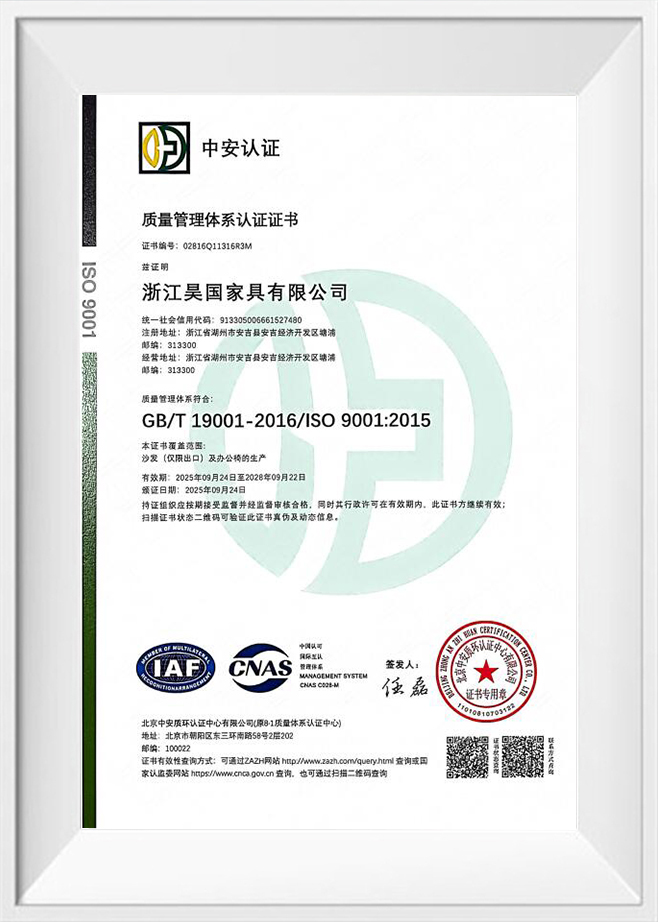
Certificate Of Honor
Industry Insights & Updates
Read More
-
2026-10-14Industry News
-
2026-10-09Industry News
-
2026-09-30Industry News
-
2026-09-22Industry News
Industry Knowledge
How Seat Angle Influences Relaxation and Posture
The seat angle of a leisure chair plays a significant role in determining overall comfort. A slight rearward tilt encourages the pelvis to settle naturally while reducing pressure on the lower back. Unlike task seating that prioritizes an upright posture, leisure chairs are designed to distribute body weight more evenly across the backrest and seat, allowing users to relax without creating excessive strain on any single contact point.
Manufacturers carefully balance seat inclination with backrest geometry to prevent users from feeling either too upright or excessively reclined. The optimal angle depends on the intended application, whether for reading, casual conversations, hotel lounges, or residential living spaces.
| Seat Design Feature | Primary Benefit |
| Moderate Recline | Encourages relaxed sitting posture |
| Curved Backrest | Supports the natural shape of the spine |
| Wide Seat Cushion | Improves pressure distribution |
Selecting Upholstery Materials for Different Leisure Spaces
Leisure chairs are used in a wide range of environments, including hotel lobbies, cafés, lounges, reception areas, and residential interiors. Upholstery selection should reflect the expected level of use, maintenance requirements, and interior design style. Commercial environments often favor highly durable woven fabrics, while residential spaces may prioritize soft textures and decorative finishes.
Performance fabrics with stain-resistant finishes have become increasingly popular because they combine comfort with easier cleaning. In high-traffic settings, abrasion resistance and color retention are equally important for maintaining an attractive appearance over time.
- Woven fabrics provide excellent durability for commercial applications.
- Soft upholstery enhances comfort in residential environments.
- Stain-resistant finishes simplify routine maintenance.
Frame Construction and Structural Stability
Although leisure chairs emphasize comfort and appearance, their structural design is equally important. A well-engineered frame distributes loads evenly throughout the chair, reducing stress concentration at joints and extending service life. Common frame materials include solid wood, steel, aluminum alloy, and reinforced engineering plastics, each offering distinct advantages depending on the application.
Manufacturers frequently conduct static load, impact, and fatigue testing to verify long-term durability. Reinforced connection points and precision manufacturing improve structural reliability while minimizing movement or loosening after prolonged use.
| Frame Material | Typical Advantage |
| Solid Wood | Natural appearance and stability |
| Steel | High strength for commercial use |
| Aluminum Alloy | Lightweight with corrosion resistance |
Color Coordination for Public and Residential Interiors
The color of a leisure chair contributes significantly to the atmosphere of an interior space. Neutral shades such as gray, beige, and charcoal create versatile seating suitable for offices, hotels, and reception areas. Brighter colors or textured fabrics can serve as visual focal points in cafés, lounges, or creative workspaces without overwhelming the surrounding décor.
Designers often consider lighting conditions, flooring materials, and adjacent furniture when selecting upholstery colors. Balanced color coordination helps maintain visual consistency while allowing the seating area to remain inviting and comfortable.
Maintenance Strategies for Long-Term Appearance
Regular maintenance preserves both the visual quality and structural performance of leisure chairs. Dust accumulation, accidental spills, and daily friction gradually affect upholstery if left unattended. Routine cleaning should follow the manufacturer's recommendations for the specific upholstery material to prevent unnecessary wear.
Periodic inspection of frame joints, fasteners, and floor-contact components also helps identify minor issues before they develop into larger structural problems. Preventive maintenance extends product lifespan while maintaining consistent comfort and appearance in both commercial and residential environments.
- Vacuum upholstered surfaces regularly to remove abrasive dust.
- Clean spills promptly using appropriate cleaning methods.
- Inspect structural connections periodically to maintain stability.

- Mobile
- Contact Us
-
-
+86-139 0582 1355

-
alan@haoguofurniture.com

-
Approximately 210 meters south of the intersection of Le San Road and Sanwanqiao Road in Anji County, Huzhou City, Zhejiang Province, China

-
Copyright ©
Zhejiang HAOGUO Furniture Co., Ltd.
Rights Reserved.
 Leisure Chair Factory Leisure Chair Wholesale Suppliers
