


 English
  Español
  عربى
عربى
product
product
product
product
product
product
product
product
product
product
product
product
product
product
product
product

Product Series
Product Category
Contact us
Message Feedback
About Us
Professional Office Furniture Manufacturer
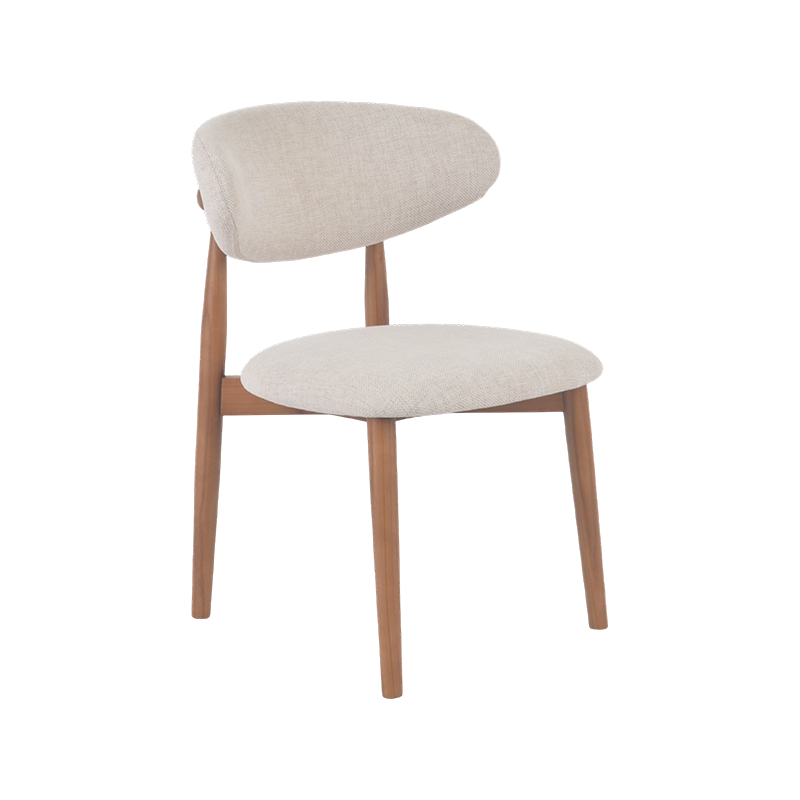
Founded in 2007, Zhejiang HAOGUO Furniture Co., Ltd. is a professional office furniture manufacturer integrating R&D, production, and sales. OEM Wooden Dining Chair Manufacturers and Wooden Dining Chairs Factory in China. The company focuses on the R&D and manufacturing of office chairs, sofas, and other office furniture. Equipped with professional, standardized, and modern production lines, it has an annual production capacity of 2 million pieces. Wholesale Wooden Dining Chairs. With stable quality and innovative design, the company's products are exported to more than 40 countries and regions worldwide, including Europe, the United States, the Middle East, and Asia, and are highly recognized by customers at home and abroad.
-
30+
Industry Experience
-
260+
Technical Staff
-
68000m2
Factory Area

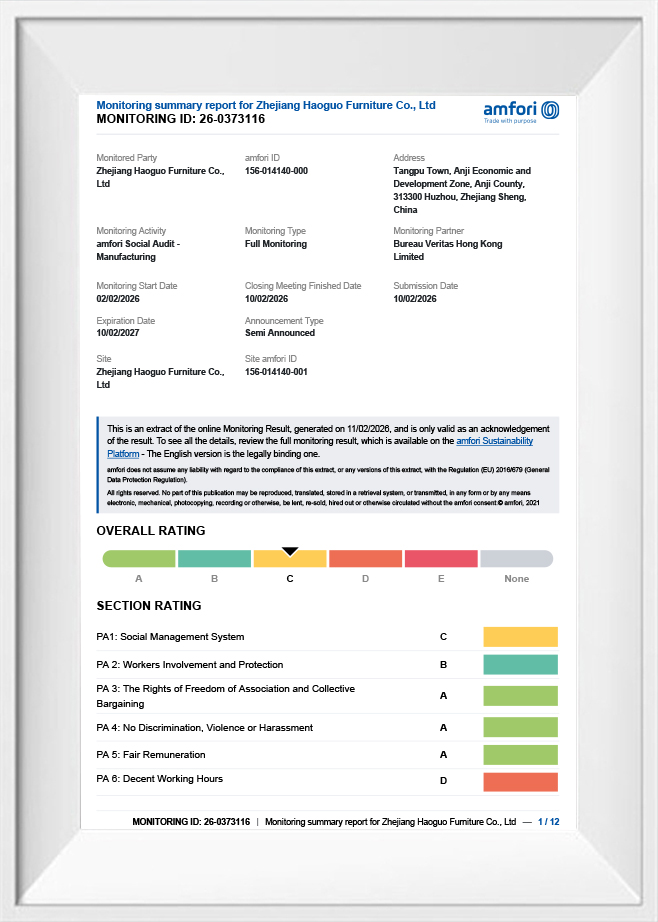
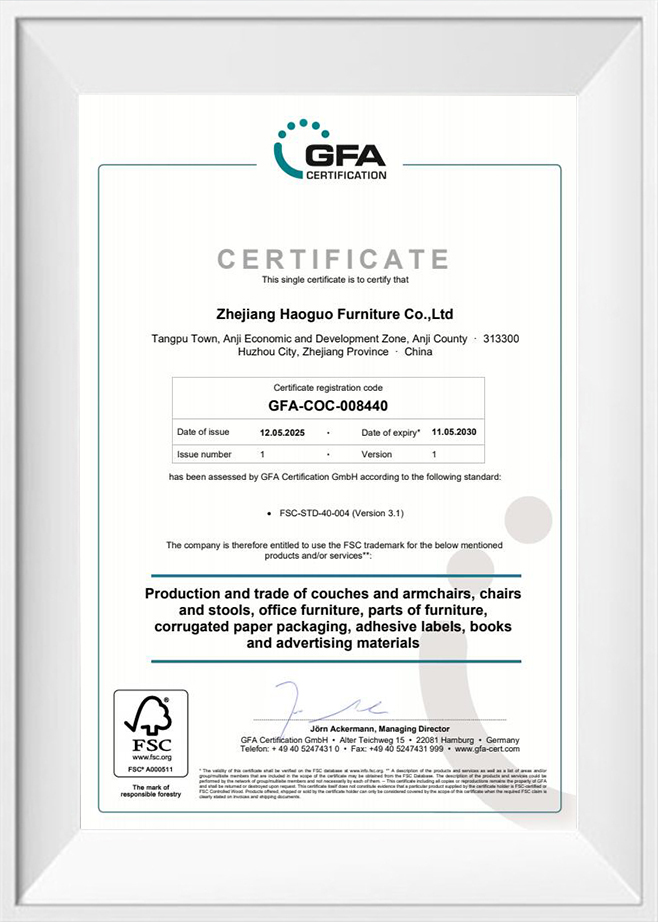
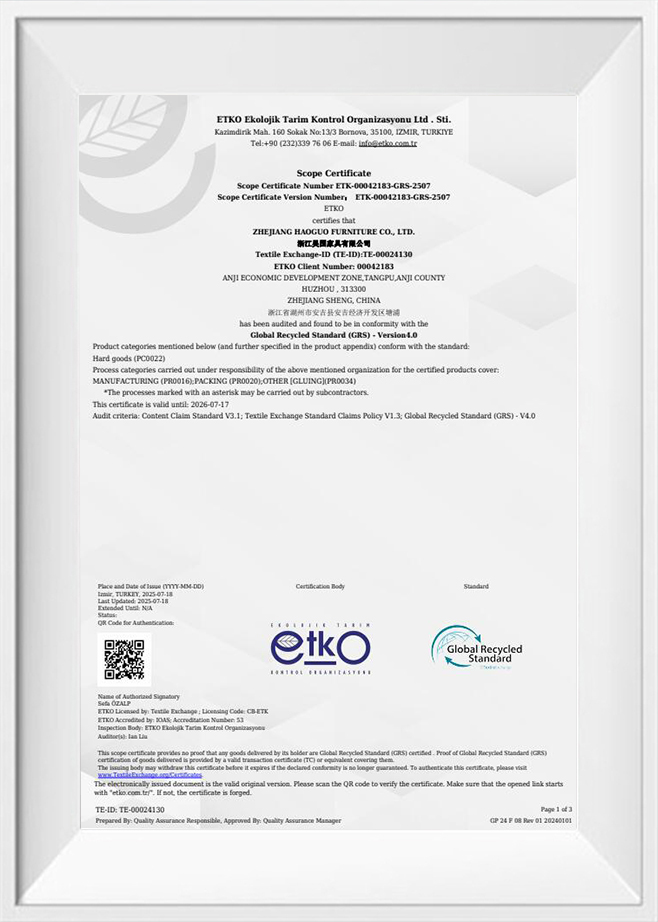
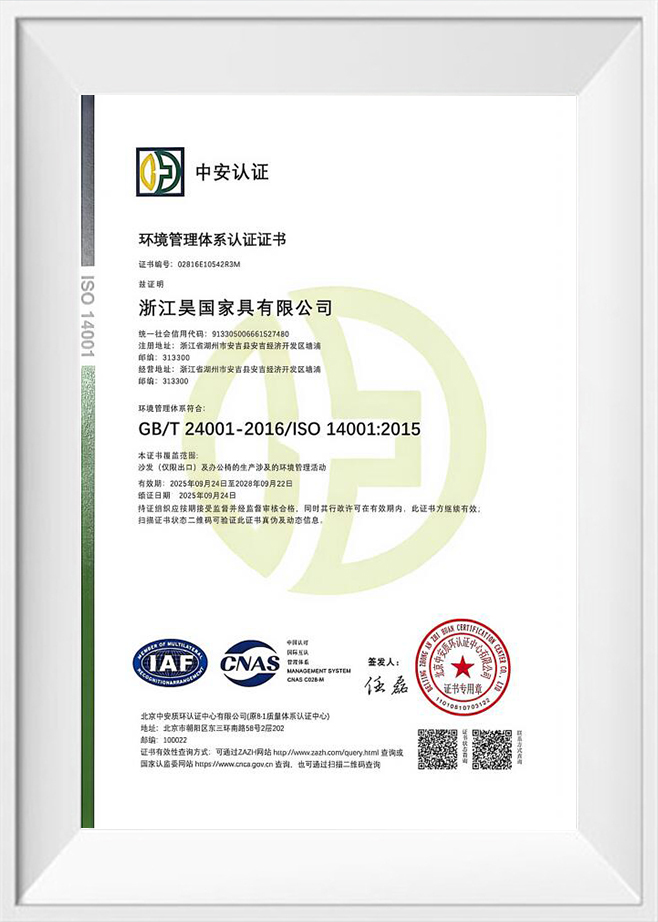
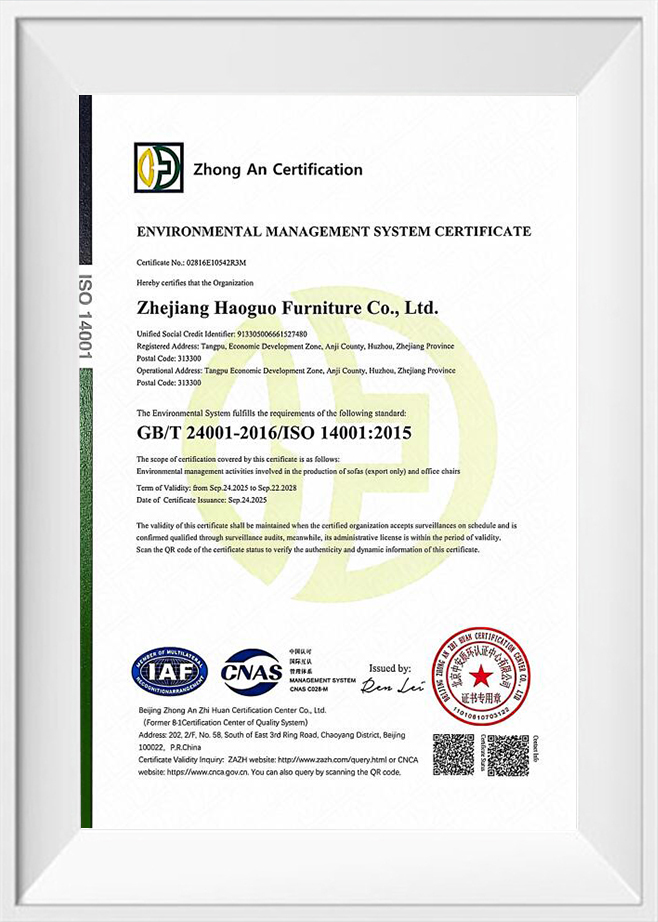
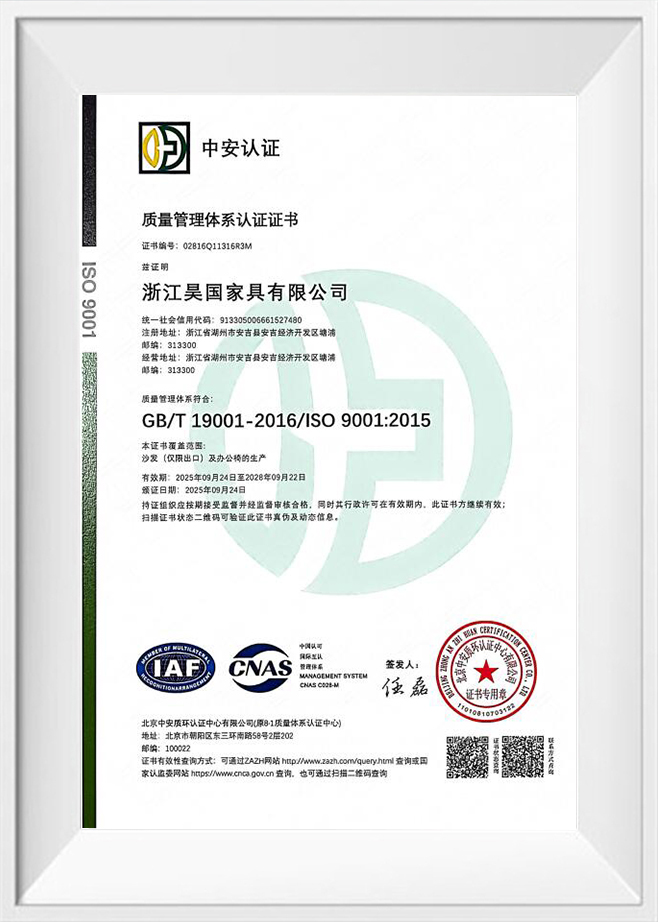
Certificate Of Honor
Industry Insights & Updates
Read More
-
2026-10-14Industry News
-
2026-10-09Industry News
-
2026-09-30Industry News
Industry Knowledge
Selecting Wood Species for Strength and Appearance
The performance of wooden dining chairs begins with the selection of wood species. Hardwoods such as oak, ash, beech, and walnut are widely used because they offer excellent load-bearing capacity and resistance to everyday wear. Each species has distinct grain patterns and natural color variations that influence the overall visual style of the chair while also affecting machining performance and finishing quality.
Beyond aesthetics, wood density plays an important role in durability. Dense hardwoods generally provide greater structural stability, while properly processed lighter woods can reduce chair weight without significantly compromising strength when supported by an optimized frame design.
| Wood Species | Main Characteristic | Typical Advantage |
| Oak | Dense grain | Excellent durability |
| Ash | High flexibility | Suitable for curved designs |
| Beech | Uniform texture | Stable machining performance |
Moisture Control and Dimensional Stability
One of the most critical manufacturing processes for wooden dining chairs is moisture control. Wood that contains excessive moisture may shrink, crack, or warp after production, affecting both structural integrity and appearance. Kiln drying reduces moisture content to a controlled level that matches the expected indoor environment, improving long-term dimensional stability.
Proper storage conditions after drying are equally important. Maintaining stable humidity during production and transportation minimizes the risk of deformation before the finished chairs reach their final destination.
- Kiln drying reduces the likelihood of warping.
- Controlled moisture improves joint stability.
- Proper storage helps preserve manufacturing accuracy.
Joint Construction That Improves Structural Reliability
The strength of a wooden dining chair depends heavily on its joinery rather than the wood alone. Traditional mortise-and-tenon joints provide excellent resistance to repeated loading because they distribute stress throughout the frame instead of concentrating it at a single fastener. Reinforced corner blocks and precision adhesives further improve overall rigidity.
Manufacturers commonly evaluate chair frames through static load testing, impact testing, and fatigue simulations to verify long-term durability. Accurate machining and tight tolerances ensure that joints remain stable throughout years of everyday use.
| Joint Type | Performance Benefit |
| Mortise and Tenon | High structural strength |
| Corner Block Reinforcement | Improves frame rigidity |
| Industrial Adhesive Bonding | Enhances joint stability |
Surface Finishing for Protection and Longevity
Surface finishes protect wooden dining chairs from moisture, stains, and daily abrasion while enhancing the natural beauty of the wood grain. Modern coating systems often combine sealers with durable topcoats that improve scratch resistance without hiding the texture of the timber. Matte, satin, and gloss finishes each provide different visual effects while offering similar protective functions when properly applied.
Consistent finishing techniques also simplify routine cleaning by reducing surface porosity, helping the chairs maintain their appearance despite regular household or commercial use.
Maintenance Practices That Preserve Wooden Dining Chairs
Routine maintenance extends both the appearance and service life of wooden dining chairs. Dust should be removed regularly with a soft cloth, while spills should be cleaned promptly to prevent moisture from penetrating the finish. Chairs should be kept away from prolonged direct sunlight and excessive humidity, both of which can gradually affect wood color and dimensional stability.
Periodic inspection of joints, screws, and protective floor glides helps maintain structural integrity. Addressing minor issues early reduces long-term repair costs and keeps the chairs stable throughout years of everyday use.
- Wipe spills immediately to protect the wood finish.
- Avoid prolonged exposure to direct sunlight and moisture.
- Inspect joints and floor protectors as part of routine maintenance.

- Mobile
- Contact Us
-
-
+86-139 0582 1355

-
alan@haoguofurniture.com

-
Approximately 210 meters south of the intersection of Le San Road and Sanwanqiao Road in Anji County, Huzhou City, Zhejiang Province, China

-
Copyright ©
Zhejiang HAOGUO Furniture Co., Ltd.
Rights Reserved.
 Wooden Dining Chairs Factory Wooden Dining Chairs Wholesale Suppliers
