


 English
  Español
  عربى
عربى
product
product
product
product
product
product
product
product
product
product
product
product
product
product
product
product

Product Series
Product Category
Contact us
Message Feedback
About Us
Professional Office Furniture Manufacturer
Founded in 2007, Zhejiang HAOGUO Furniture Co., Ltd. is a professional office furniture manufacturer integrating R&D, production, and sales. OEM Lounge Chair Manufacturers and Lounge Chairs Factory in China. The company focuses on the R&D and manufacturing of office chairs, sofas, and other office furniture. Equipped with professional, standardized, and modern production lines, it has an annual production capacity of 2 million pieces. Wholesale Lounge Chairs. With stable quality and innovative design, the company's products are exported to more than 40 countries and regions worldwide, including Europe, the United States, the Middle East, and Asia, and are highly recognized by customers at home and abroad.
-
30+
Industry Experience
-
260+
Technical Staff
-
68000m2
Factory Area

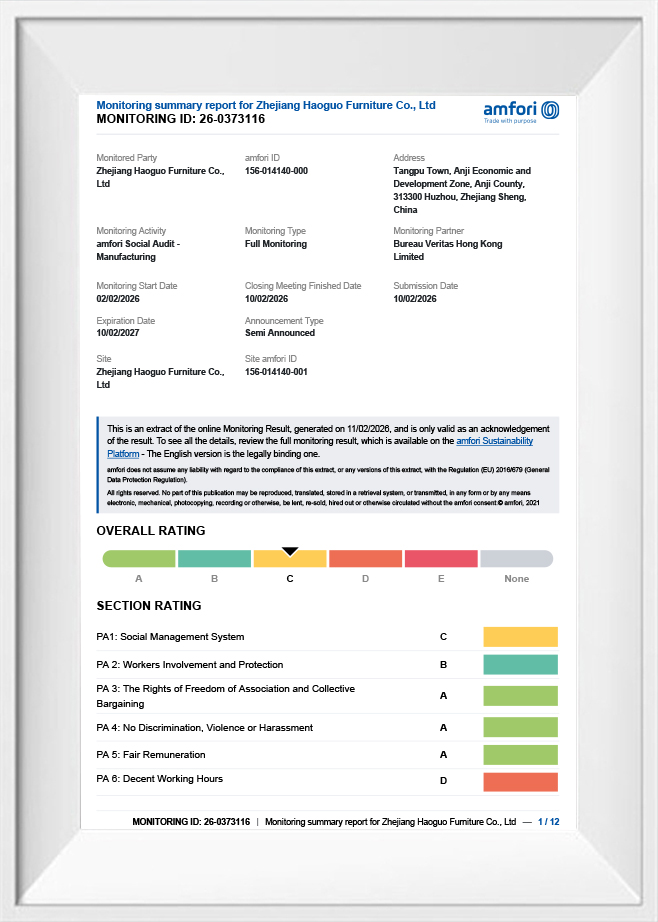
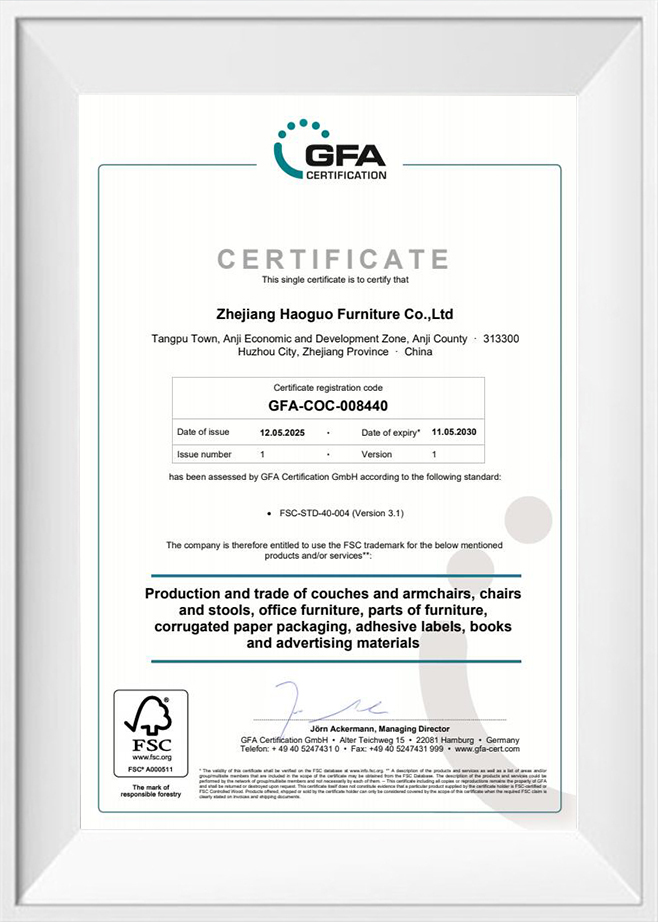
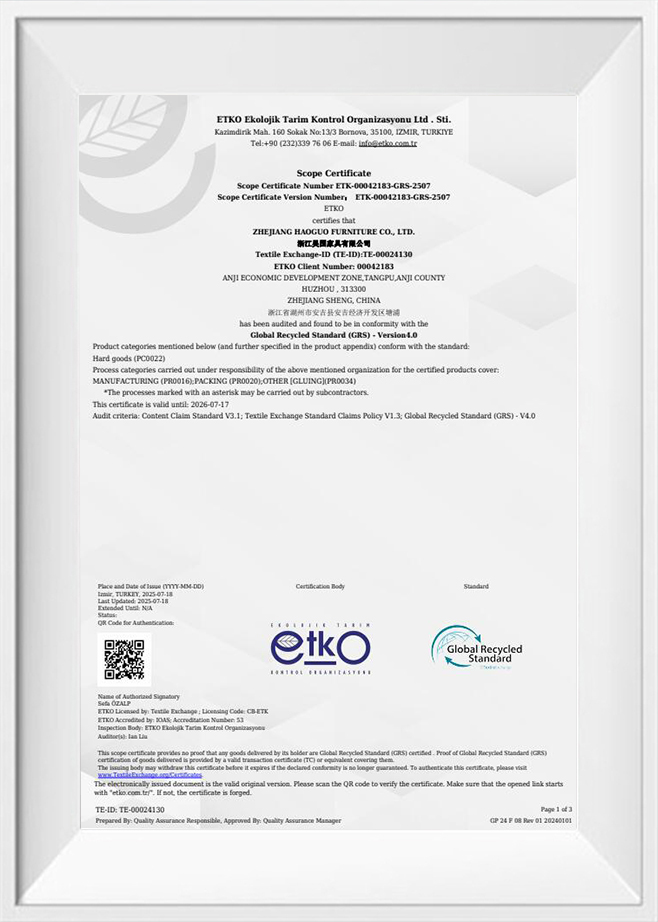
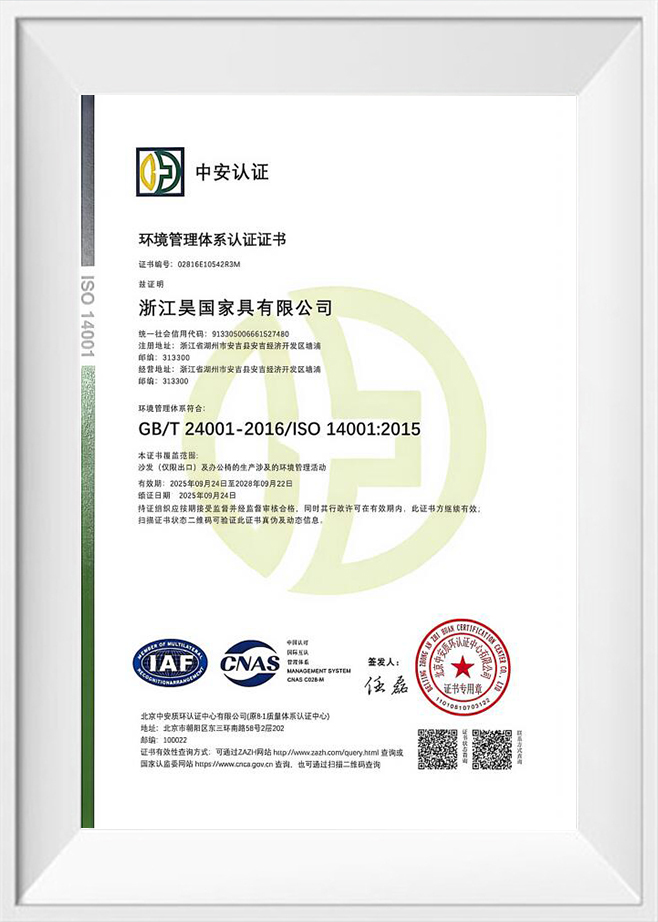
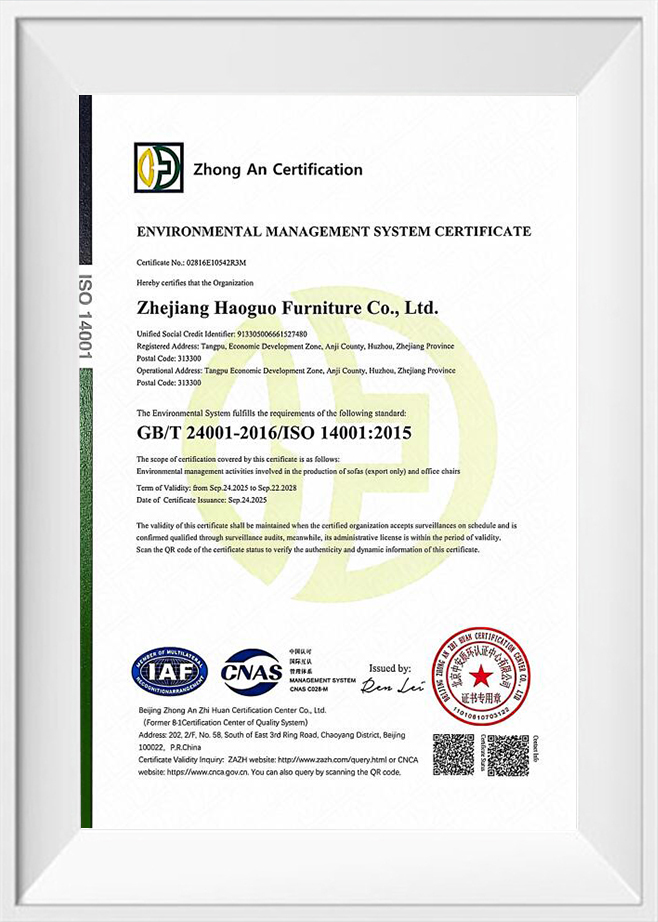
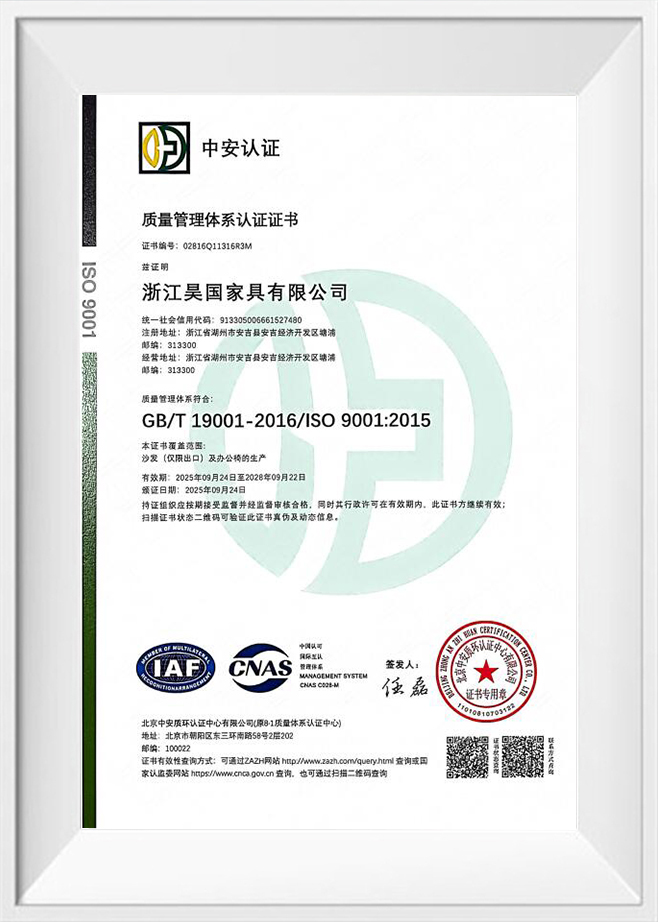
Certificate Of Honor
Industry Insights & Updates
Read More
-
2026-09-22Industry News
-
2026-09-15Industry News
-
2026-09-08Industry News
Industry Knowledge
Backrest Geometry and Relaxation Performance
The shape of a lounge chair's backrest has a direct influence on relaxation quality. Rather than maintaining a strictly upright posture, lounge chairs typically feature a carefully calculated recline angle that supports the upper back, shoulders, and neck simultaneously. A well-contoured backrest follows the natural curvature of the spine, allowing body weight to be distributed evenly while reducing localized pressure during extended sitting.
Designers often combine ergonomic contouring with flexible support materials to create a seating experience that remains comfortable across different body types. The transition between the lumbar area and shoulder support should feel continuous, avoiding abrupt pressure points that can reduce overall comfort.
| Backrest Feature | Comfort Advantage |
| Curved Lumbar Section | Supports the natural spinal curve |
| Extended Shoulder Support | Relieves upper-body fatigue |
| Moderate Reclining Angle | Encourages a relaxed sitting posture |
Choosing Upholstery for Different Lounge Environments
Lounge chairs are commonly placed in hotel lobbies, executive waiting areas, cafés, libraries, and residential living spaces. Upholstery materials should be selected according to expected traffic levels and maintenance requirements. Commercial spaces generally benefit from highly durable woven fabrics or performance textiles, while residential environments often emphasize softness, warmth, and decorative appeal.
Texture also influences the overall user experience. Fine woven fabrics create a refined appearance, whereas boucle, velvet, or textured materials add visual depth and tactile richness. Material selection should complement both functional requirements and interior design objectives.
- Performance fabrics are suitable for high-traffic public areas.
- Soft woven textiles enhance residential comfort.
- Stain-resistant upholstery simplifies long-term maintenance.
Balancing Cushion Softness with Structural Support
Comfort depends not only on soft cushioning but also on how effectively the internal structure supports body weight. High-resilience foam maintains its shape over time while preventing excessive sinking that may place additional strain on the lower back. Multi-layer cushioning systems often combine softer upper layers with firmer support beneath to create a balanced seating experience.
Manufacturers evaluate cushion compression, recovery rate, and long-term resilience during product development to ensure lounge chairs continue providing consistent comfort after years of regular use.
| Cushion Characteristic | Primary Function |
| High-Resilience Foam | Maintains long-term support |
| Multi-Layer Cushioning | Balances softness and stability |
| Wide Seat Surface | Improves pressure distribution |
Frame Engineering for Long-Term Stability
A lounge chair's structural frame determines its durability under continuous use. Hardwood, steel tubing, and aluminum alloy are commonly selected based on strength requirements, design objectives, and intended application. Reinforced joints and precision manufacturing help minimize structural movement while maintaining a solid seating experience over time.
Manufacturers often perform repeated load testing, static pressure testing, and fatigue evaluations to verify that frame components maintain stability even after thousands of sitting cycles. Strong internal construction also reduces maintenance requirements throughout the product lifecycle.
Maintaining Lounge Chairs in High-Use Spaces
Routine maintenance helps preserve both the appearance and structural performance of lounge chairs in commercial and residential settings. Upholstered surfaces should be vacuumed regularly to remove abrasive dust particles, while spills should be cleaned promptly using methods appropriate for the specific upholstery material.
Periodic inspection of frame joints, fasteners, and floor protectors helps prevent small issues from developing into larger maintenance problems. Establishing a preventive maintenance schedule extends service life and ensures the chair continues providing reliable comfort and visual appeal.
- Vacuum upholstery regularly to remove accumulated dust.
- Treat stains immediately to prevent permanent discoloration.
- Inspect structural connections periodically for long-term stability.

- Mobile
- Contact Us
-
-
+86-139 0582 1355

-
alan@haoguofurniture.com

-
Approximately 210 meters south of the intersection of Le San Road and Sanwanqiao Road in Anji County, Huzhou City, Zhejiang Province, China

-
Copyright ©
Zhejiang HAOGUO Furniture Co., Ltd.
Rights Reserved.
 Lounge Chairs Factory Lounge Chairs Wholesale Suppliers
