


 English
  Español
  عربى
عربى
product
product
product
product
product
product
product
product
product
product
product
product
product
product
product
product

Product Series
Product Category
Contact us
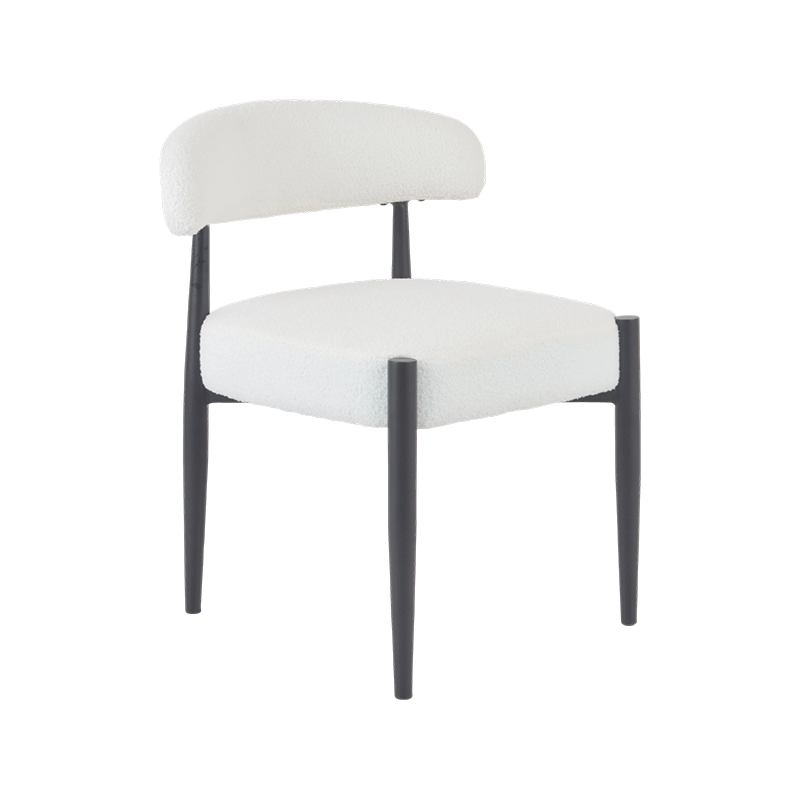
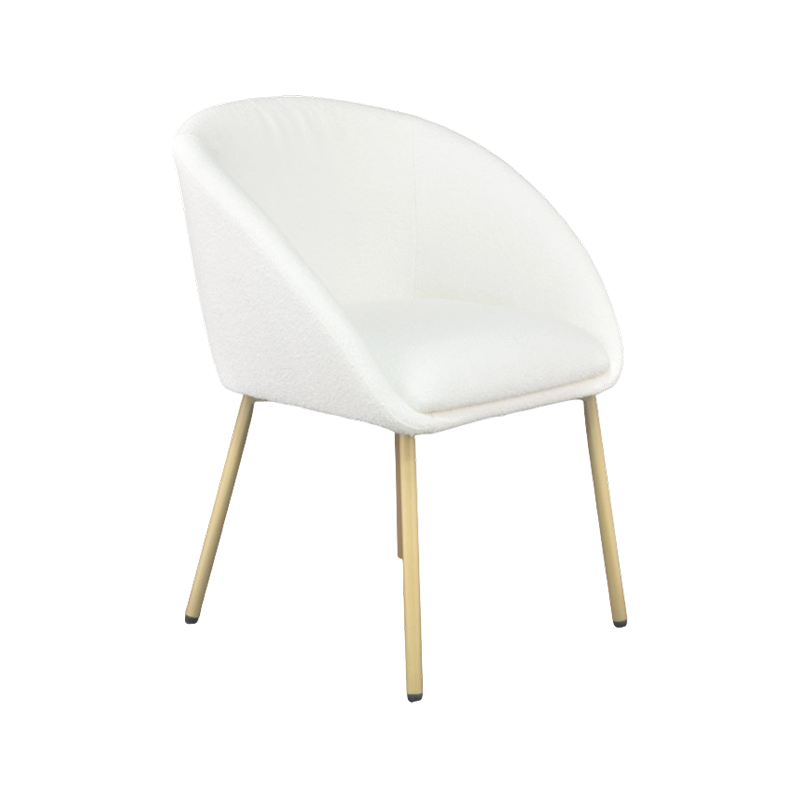
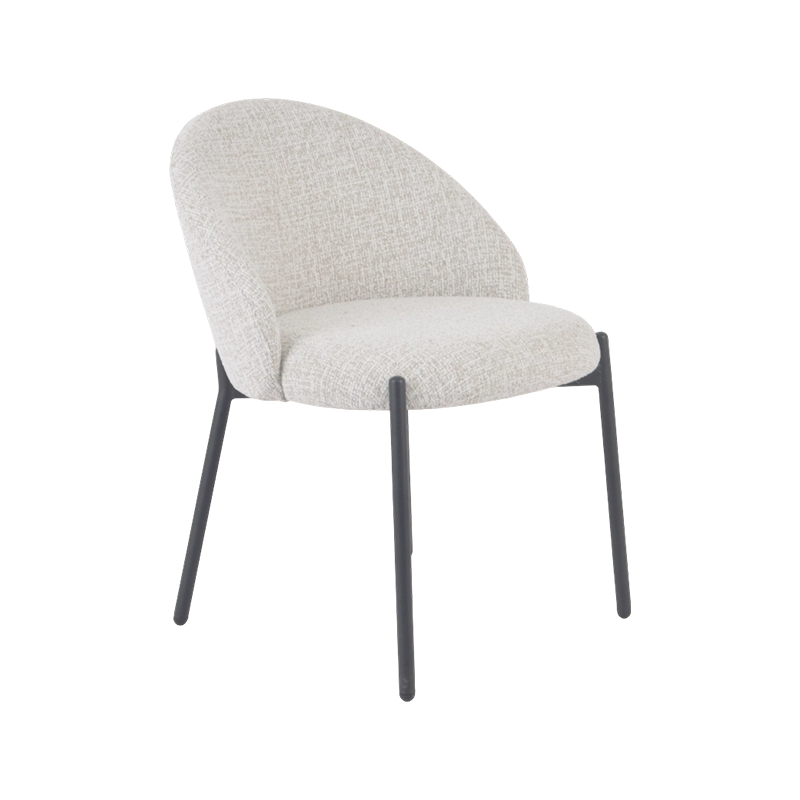
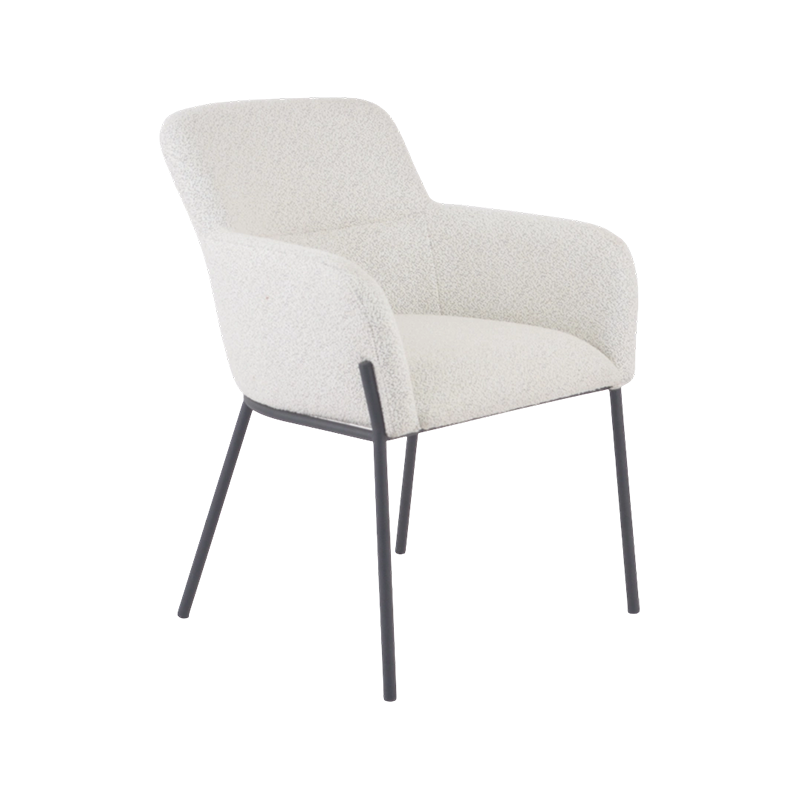
Restaurant/Home Dining Chairs Suppliers
-
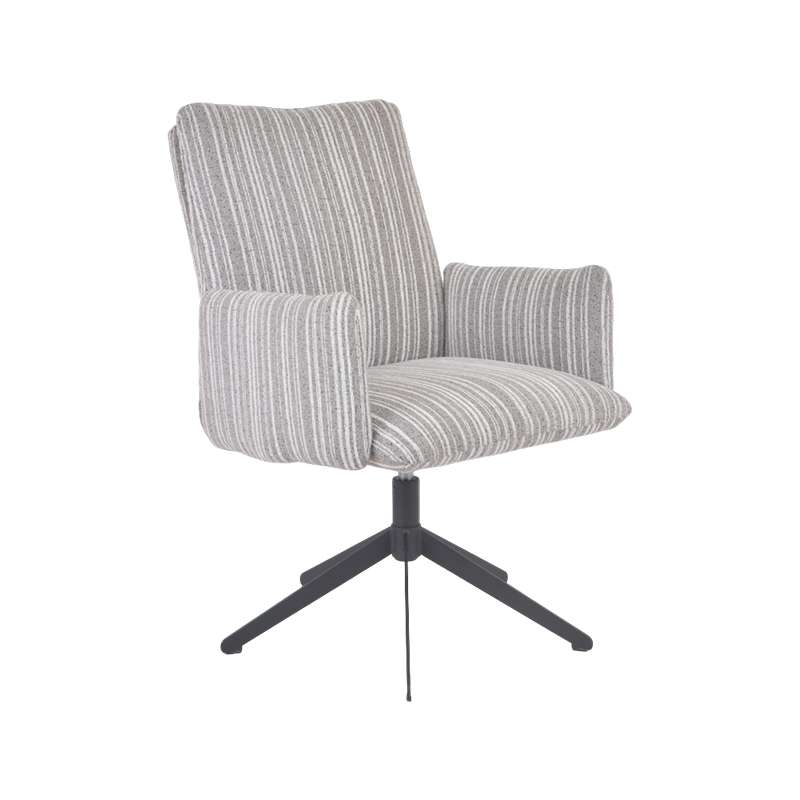
Striped Swivel Accent Chair
-
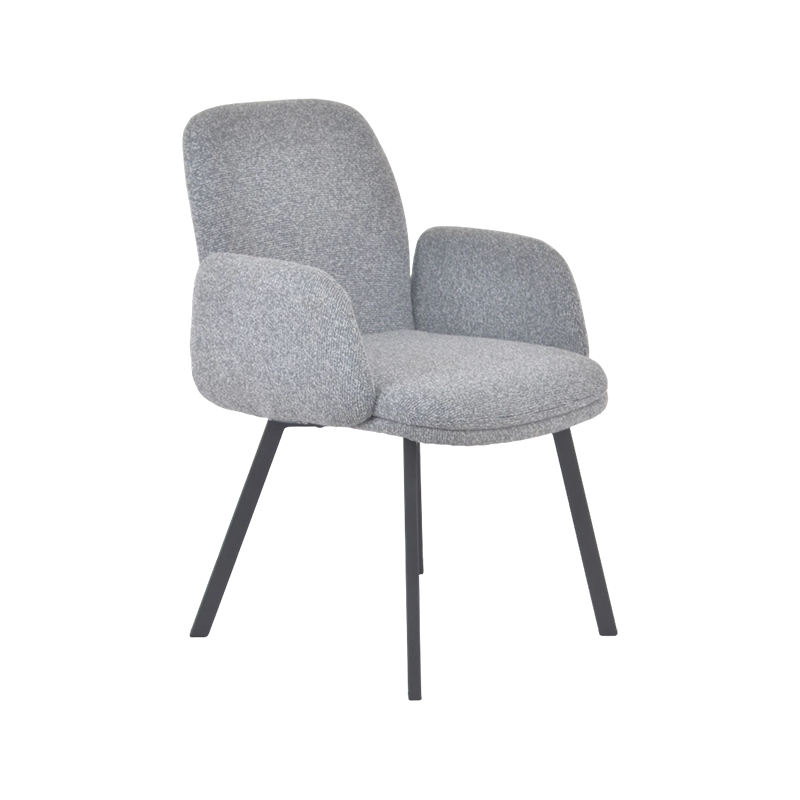
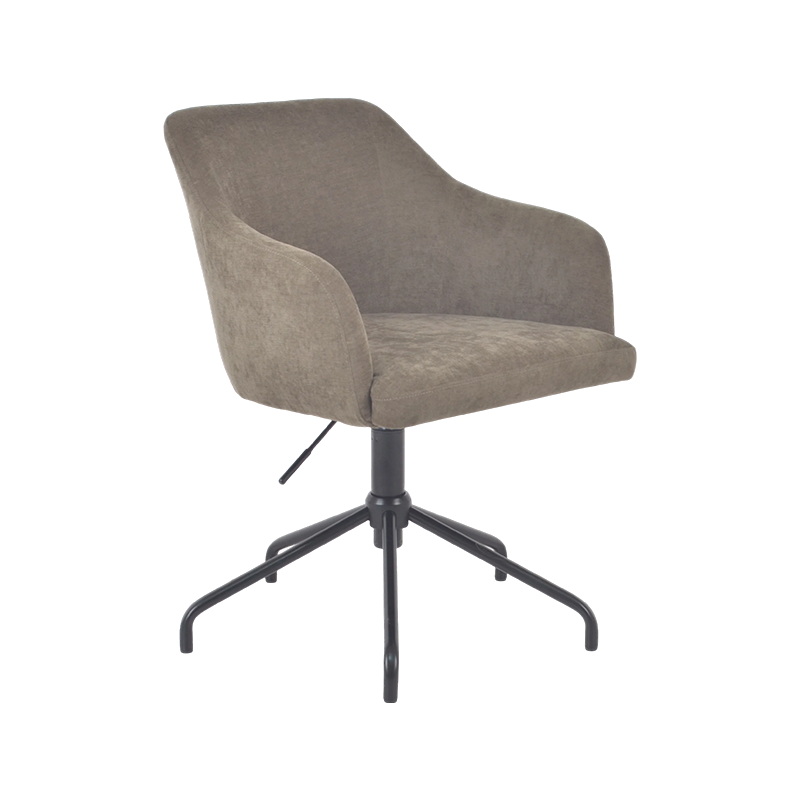
Modern Grey Upholstered Dining Chair with Armrests
-
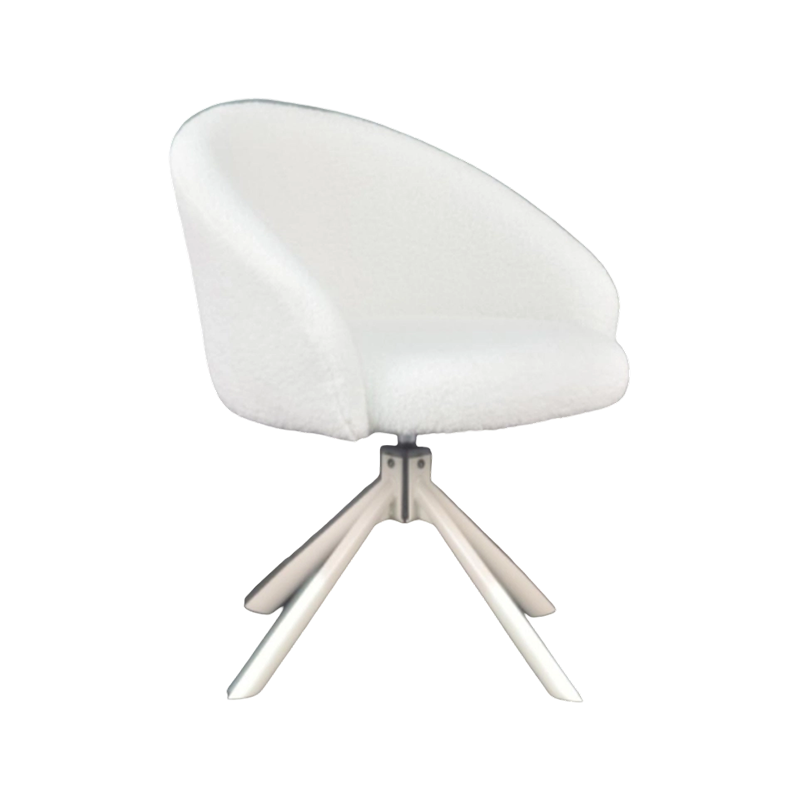
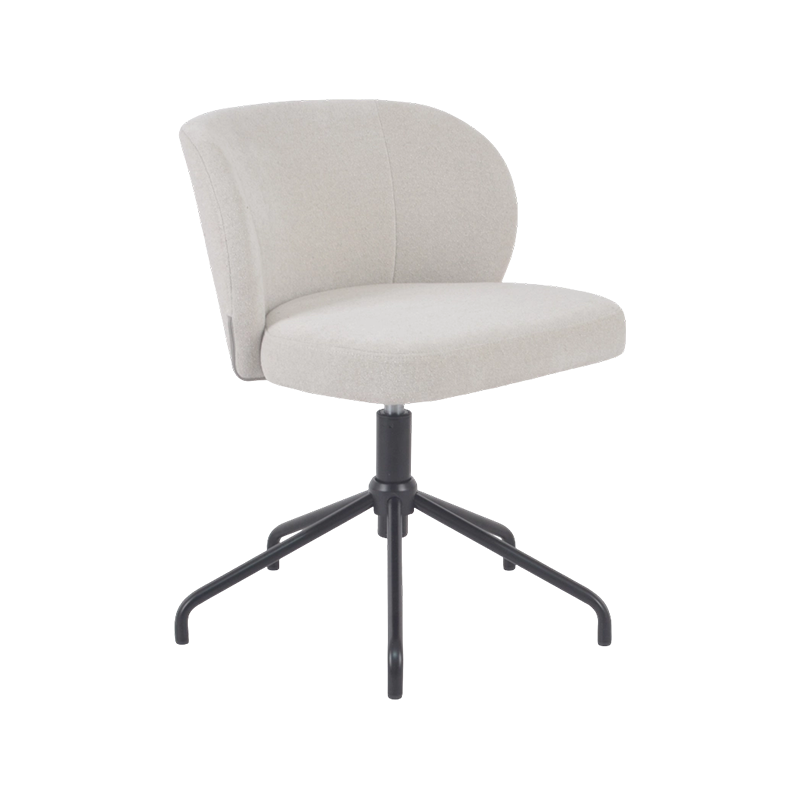
White minimalist luxury style swivel dining chair
-
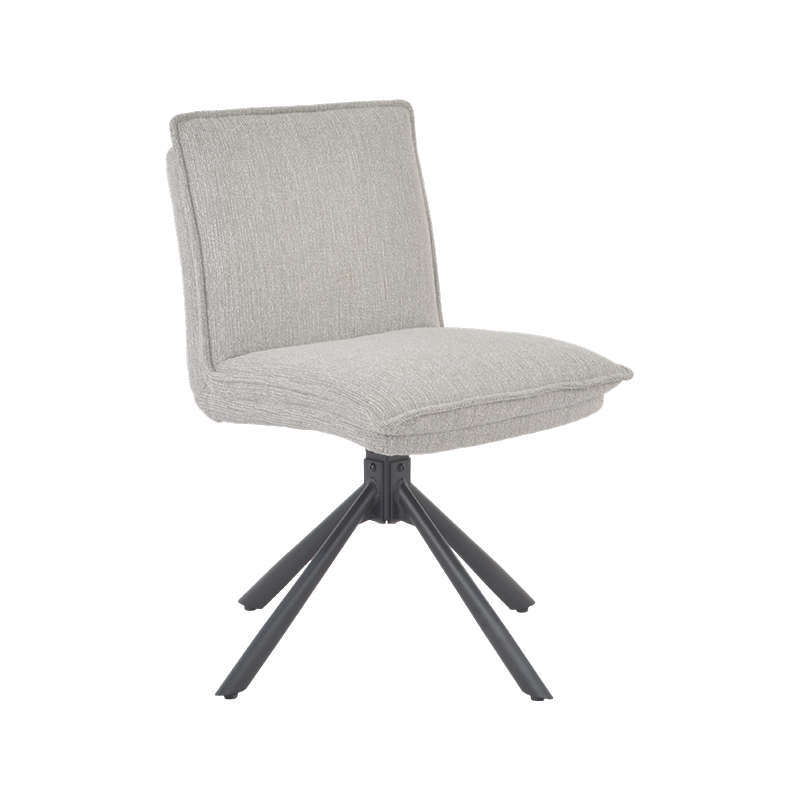
Modern Grey Upholstered Swivel Dining Chair
-
White Armchair Dining Chair
-
Contemporary White Bucket Dining Chair
-
Detachable Upholstered Metal Dining Chair
-
Soft-Padded Dining Chair With Metal Legs
-
Rotating Metal Dining Chair
-
Minimalist Swivel Dining Chair
-
Modern Velvet Dining Chair
-
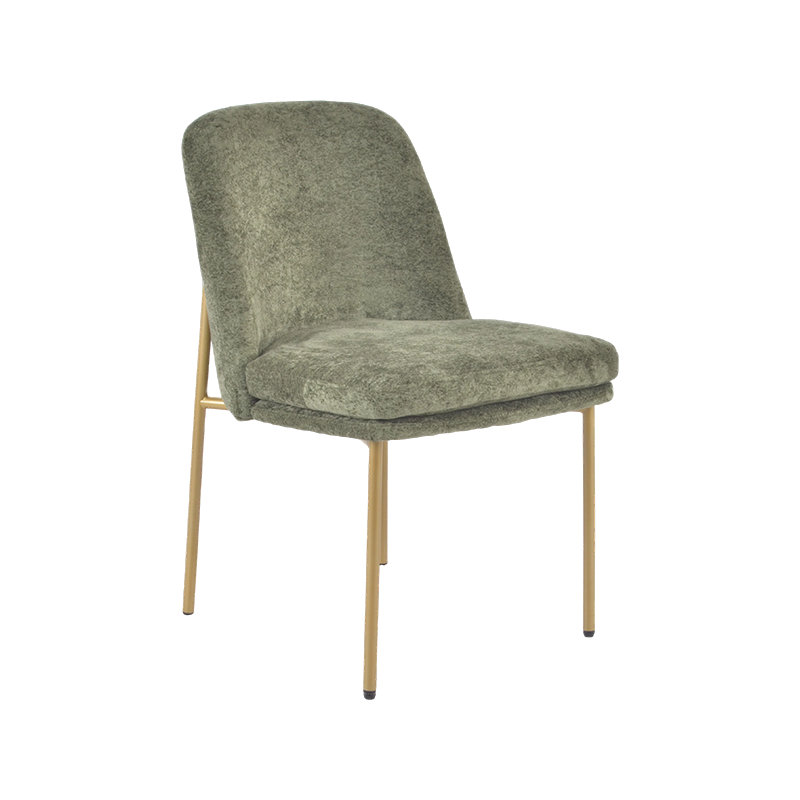
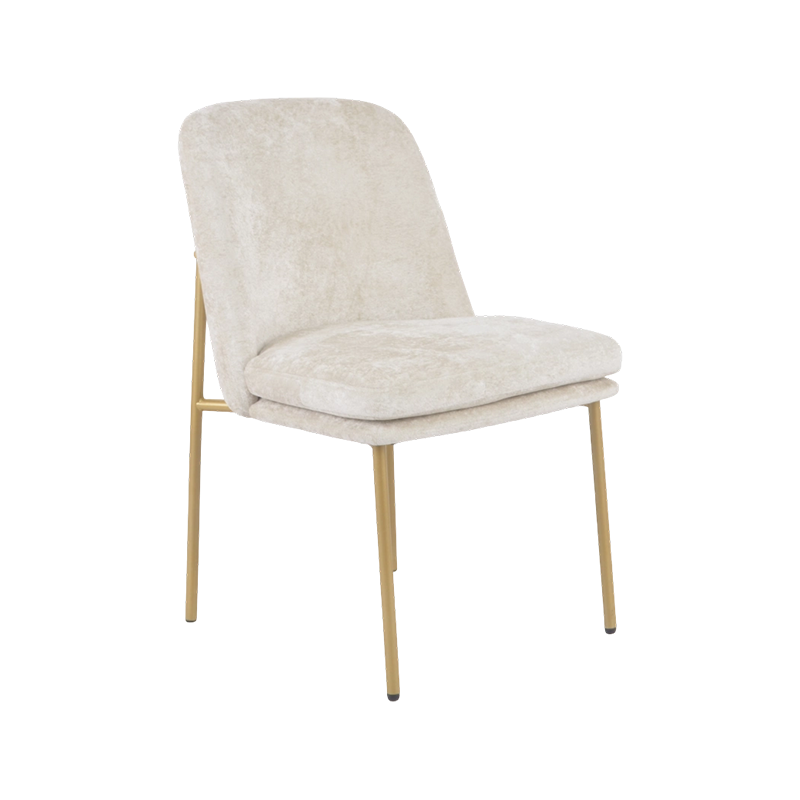
Luxe Velvet & Gold Dining Chair
Message Feedback
About Us
Professional Office Furniture Manufacturer
Founded in 2007, Zhejiang HAOGUO Furniture Co., Ltd. is a professional office furniture manufacturer integrating R&D, production, and sales. Restaurant Dining Chairs Suppliers and Home Dining Chairs Company in China. The company focuses on the R&D and manufacturing of office chairs, sofas, and other office furniture. Equipped with professional, standardized, and modern production lines, it has an annual production capacity of 2 million pieces. Restaurant Dining Chairs for sale. With stable quality and innovative design, the company's products are exported to more than 40 countries and regions worldwide, including Europe, the United States, the Middle East, and Asia, and are highly recognized by customers at home and abroad.
-
30+
Industry Experience
-
260+
Technical Staff
-
68000m2
Factory Area

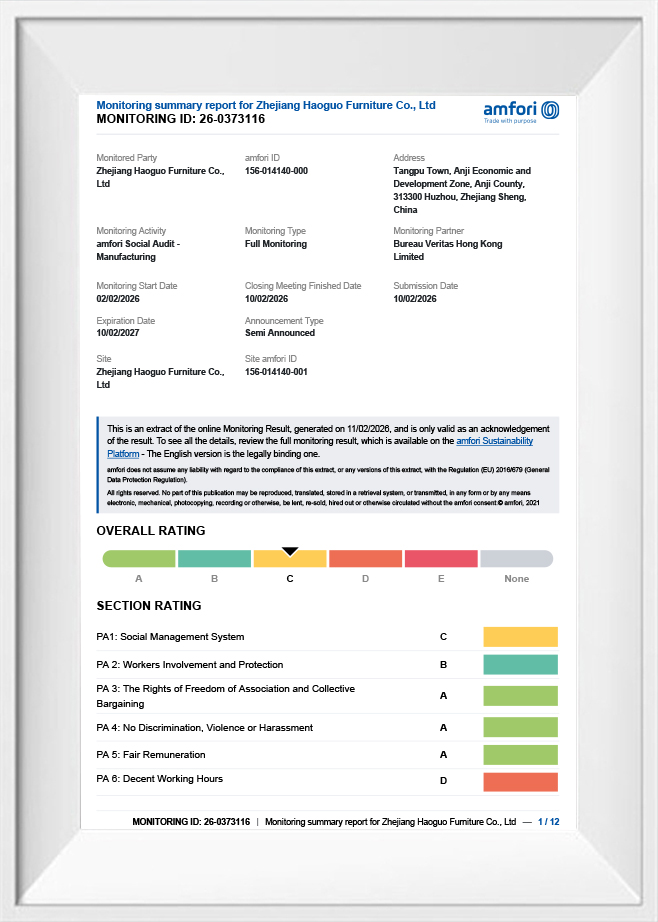
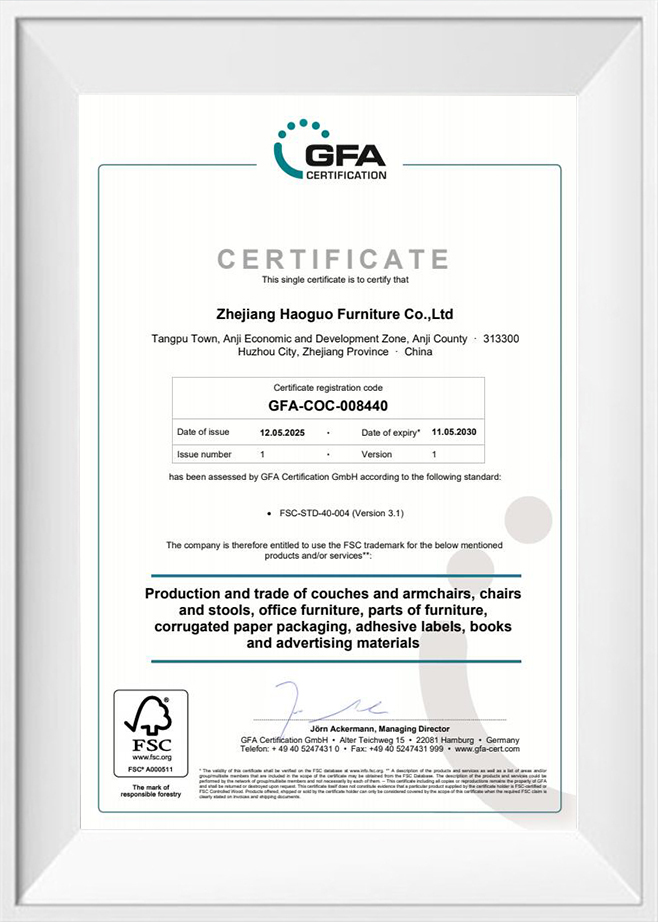
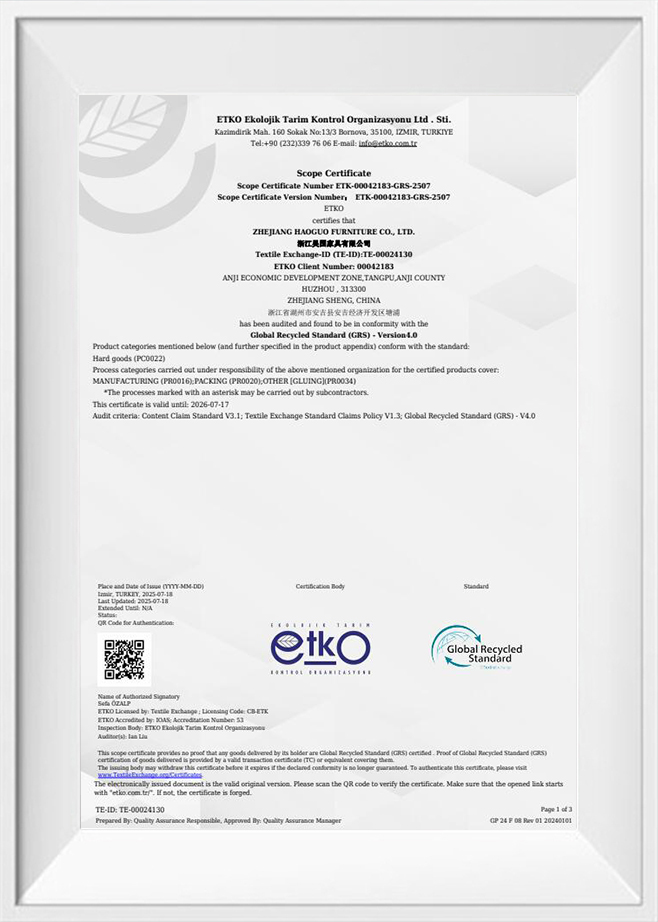
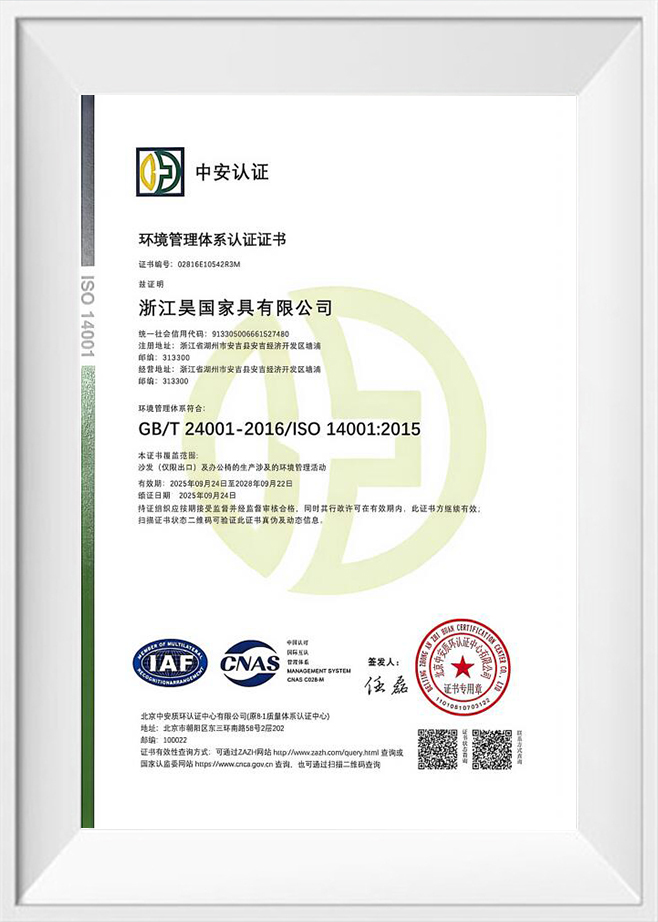
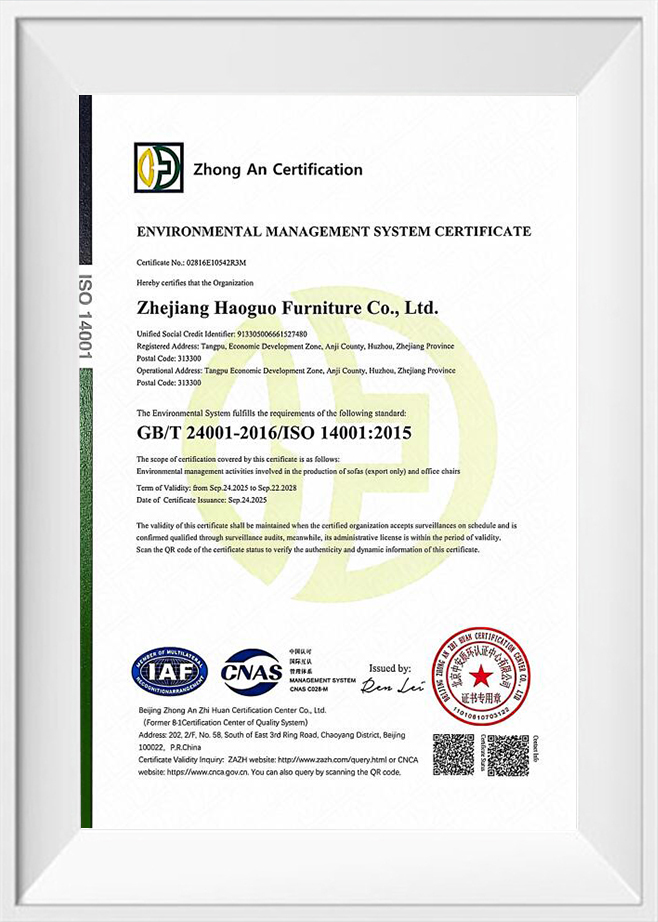
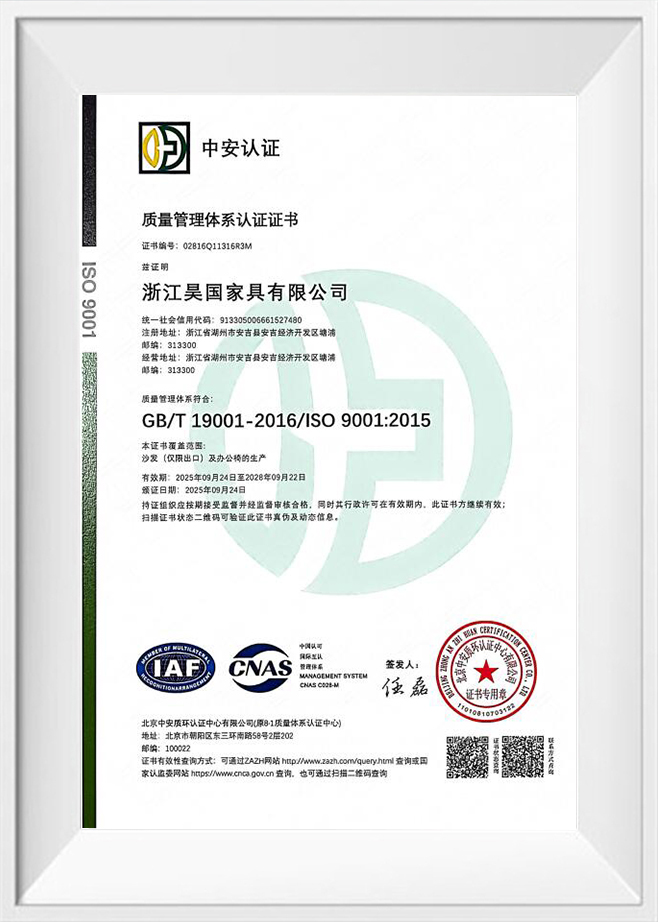
Certificate Of Honor
Industry Insights & Updates
Read More
-
2026-10-14Industry News
-
2026-10-09Industry News
-
2026-09-30Industry News
-
2026-09-22Industry News
Industry Knowledge
Selecting Dining Chairs Based on Usage Frequency
Restaurant dining chairs and home dining chairs often share similar appearances, but their design priorities differ significantly. Restaurant seating is engineered to withstand continuous daily use, frequent movement, and repeated cleaning, requiring high-strength frames, durable upholstery, and wear-resistant finishes. Home dining chairs, while still requiring durability, often place greater emphasis on long-term comfort, decorative style, and compatibility with residential interiors.
Understanding expected usage frequency helps determine the appropriate materials, structural design, and upholstery. Choosing chairs that match the intended environment improves both service life and overall user satisfaction.
| Application | Primary Design Focus | Recommended Feature |
| Restaurant Dining Chairs | Durability and easy maintenance | Commercial-grade frame and upholstery |
| Home Dining Chairs | Comfort and interior coordination | Ergonomic backrest and soft seating |
Frame Materials and Structural Stability
The internal frame largely determines the lifespan of a dining chair. Solid wood offers natural strength and timeless aesthetics, while steel frames provide outstanding load-bearing capacity for commercial environments. Reinforced engineered wood may also be used to improve dimensional consistency while maintaining manufacturing efficiency.
Joint construction is equally important. Mortise-and-tenon joints, welded steel connections, and reinforced corner brackets help distribute weight evenly, minimizing structural movement and improving long-term reliability during repeated daily use.
- Solid wood provides excellent rigidity and visual warmth.
- Steel frames offer superior durability for commercial seating.
- Reinforced joints improve long-term structural stability.
Ergonomic Features That Improve Dining Comfort
Dining chairs are typically used for shorter periods than lounge seating, but ergonomics remain important. Proper seat height should allow comfortable positioning relative to the dining table, while a gently angled backrest supports the lower back without encouraging excessive reclining. Rounded seat edges reduce pressure beneath the thighs during extended meals or meetings.
For restaurants where guests may remain seated for long periods, balanced cushioning and supportive backrests improve the overall dining experience without compromising efficient seating posture.
| Ergonomic Element | Functional Benefit |
| Proper Seat Height | Supports natural dining posture |
| Curved Backrest | Improves lumbar support |
| Rounded Seat Front | Reduces pressure on the legs |
Choosing Upholstery for Maintenance and Longevity
The upholstery selected for dining chairs should match the cleaning requirements of the intended environment. Restaurants often benefit from PU leather or high-performance fabrics that resist stains and allow quick cleaning between customers. Residential dining spaces may prioritize woven fabrics that offer a softer appearance while maintaining good abrasion resistance.
In both applications, upholstery with high colorfastness and abrasion resistance helps preserve appearance despite frequent use. Selecting appropriate materials reduces maintenance costs and extends the product's service life.
Maintenance Practices That Extend Chair Lifespan
Routine inspection and maintenance help dining chairs remain safe and attractive over many years of use. Fasteners should be checked periodically to ensure continued stability, while chair legs and floor protectors should be inspected for wear that could affect balance or damage flooring. Upholstered surfaces should be cleaned using methods suitable for their specific materials to avoid unnecessary deterioration.
Preventive maintenance also includes tightening loose hardware, rotating chairs in high-traffic commercial settings to balance wear, and addressing small structural issues before they develop into costly repairs.
- Inspect frame joints and fasteners regularly.
- Clean upholstery using material-specific care methods.
- Replace worn floor glides to improve stability and protect flooring.

- Mobile
- Contact Us
-
-
+86-139 0582 1355

-
alan@haoguofurniture.com

-
Approximately 210 meters south of the intersection of Le San Road and Sanwanqiao Road in Anji County, Huzhou City, Zhejiang Province, China

-
Copyright ©
Zhejiang HAOGUO Furniture Co., Ltd.
Rights Reserved.
 Restaurant Dining Chairs Suppliers Custom Home Dining Chairs Company
