


 English
  Español
  عربى
عربى
product
product
product
product
product
product
product
product
product
product
product
product
product
product
product
product

Product Series
Product Category
Contact us
Fabric Office Chair Manufacturers
-
Stylish Fabric Office Chair
-
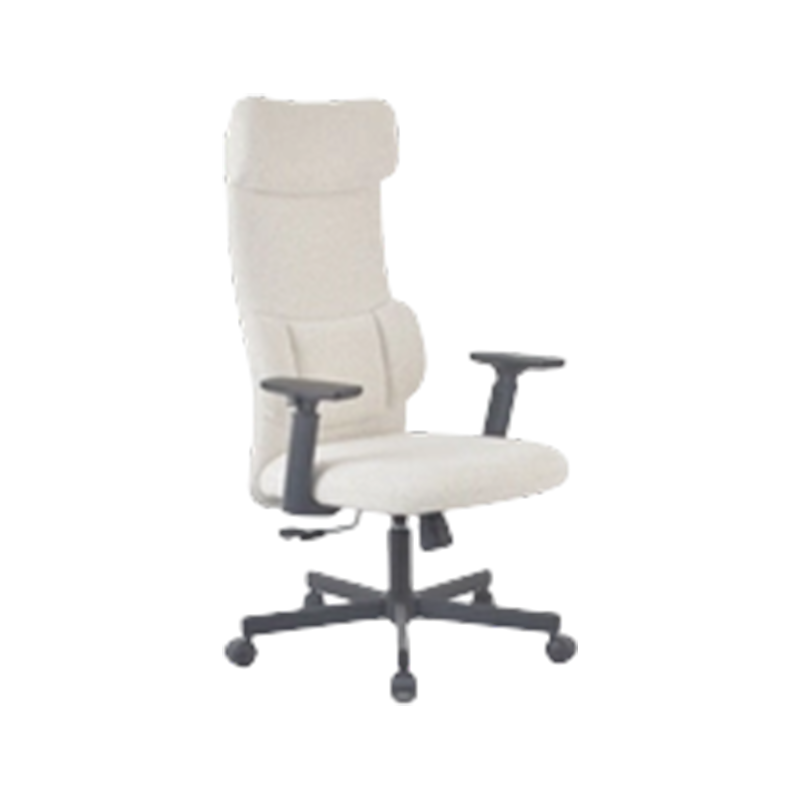
High-Back Ergonomic Fabric Office Chair
-
Retro Industrial Swivel Office Chair
-
Textured Bouclé Task Chair with Wood Accents
-
4-Position Locking Tilt Fabric Chair With Height-Adjustable Arms And KD Base
-
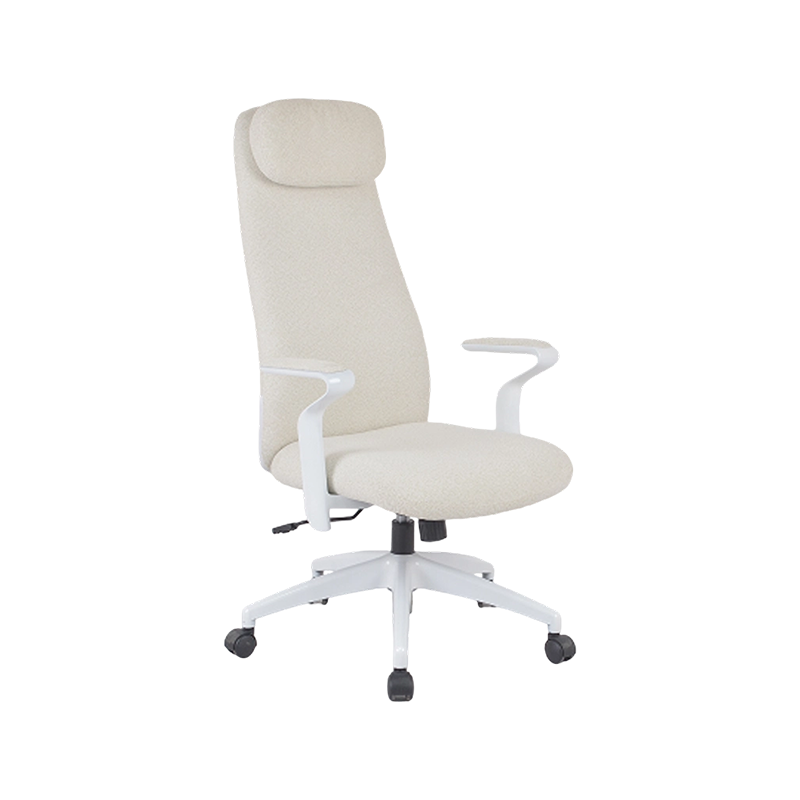
Scandinavian-Profile White-Frame Fabric Chair With Butterfly Tilt Mechanism
-
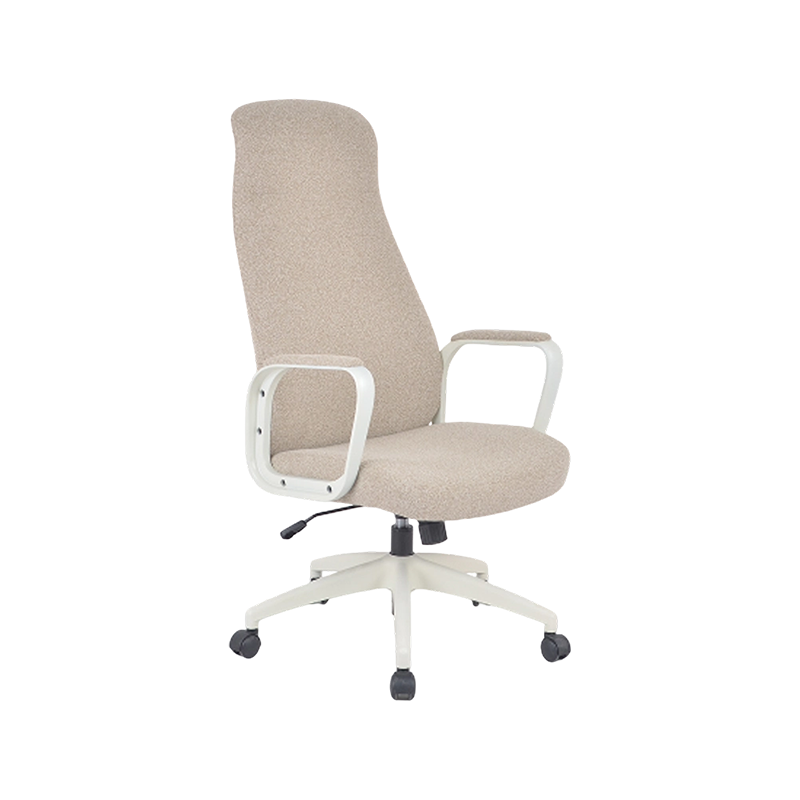
Premium LAKE-120 Woven Fabric Chair With White Accents And High Adjustable Range
-
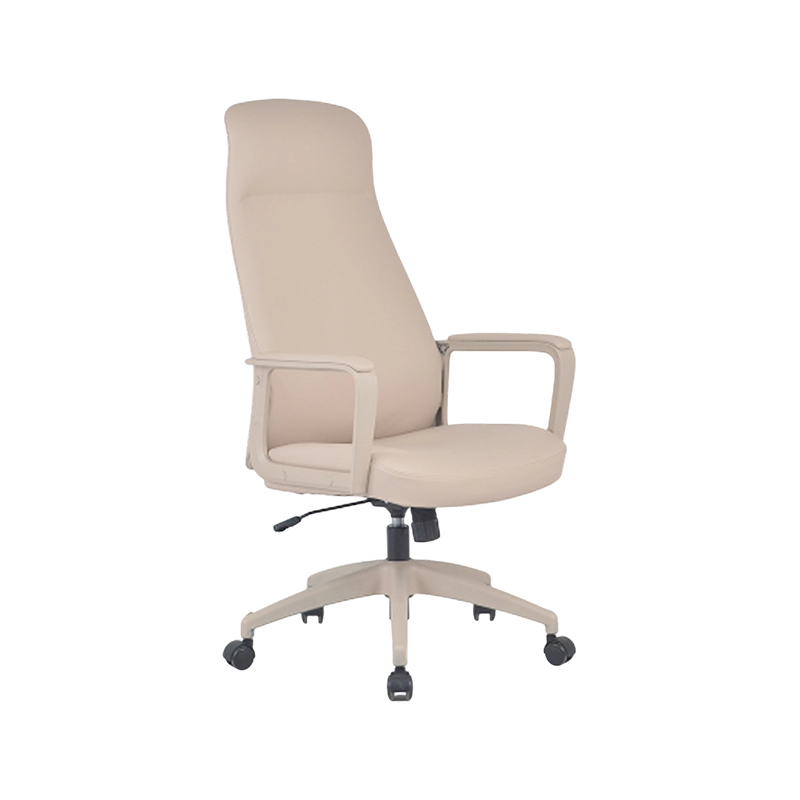
Hi-Tech PU Upholstered Mid-Back Task Chair With Loop Arms And Butterfly Tilt
-
Weight-Balanced Tilt Fabric Task Chair With PU-Padded Height-Adjustable Arms
-
Two-Tone Fabric & Accent PU Chair With KD Steel Base And PU Castors
-
Vintage-Style Premium Fabric Task Chair With Painted Steel Arms And Base
-
Mid-Back Padded Fabric Chair With Steel Arms And Compact Knock-Down Base
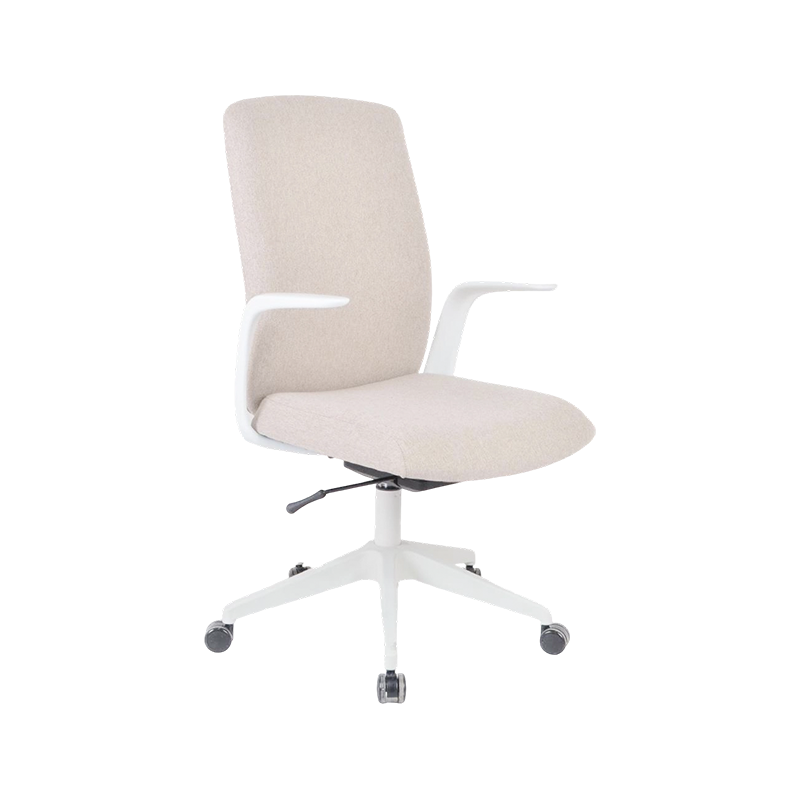
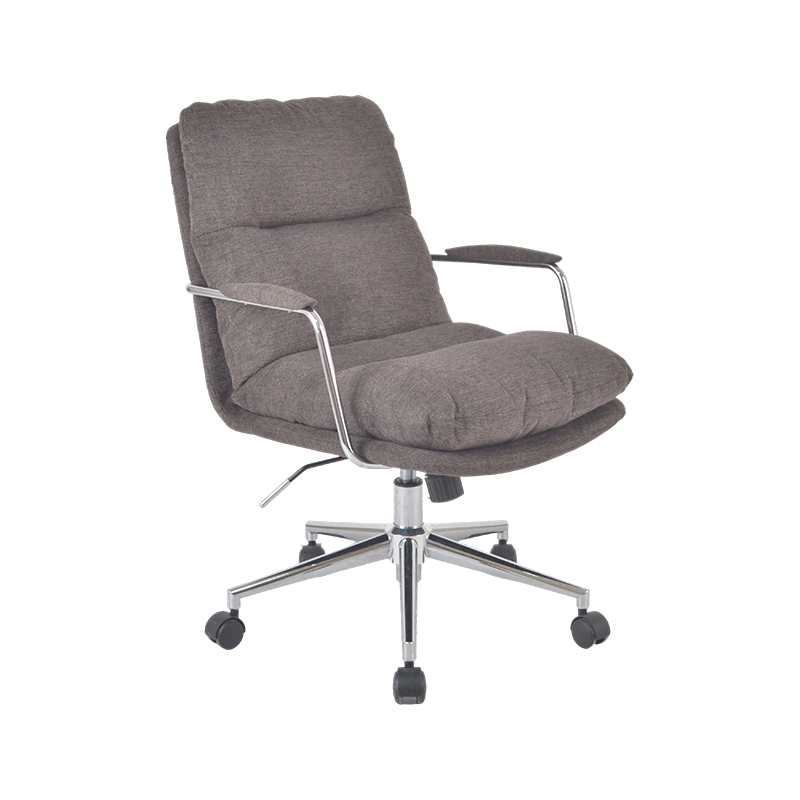
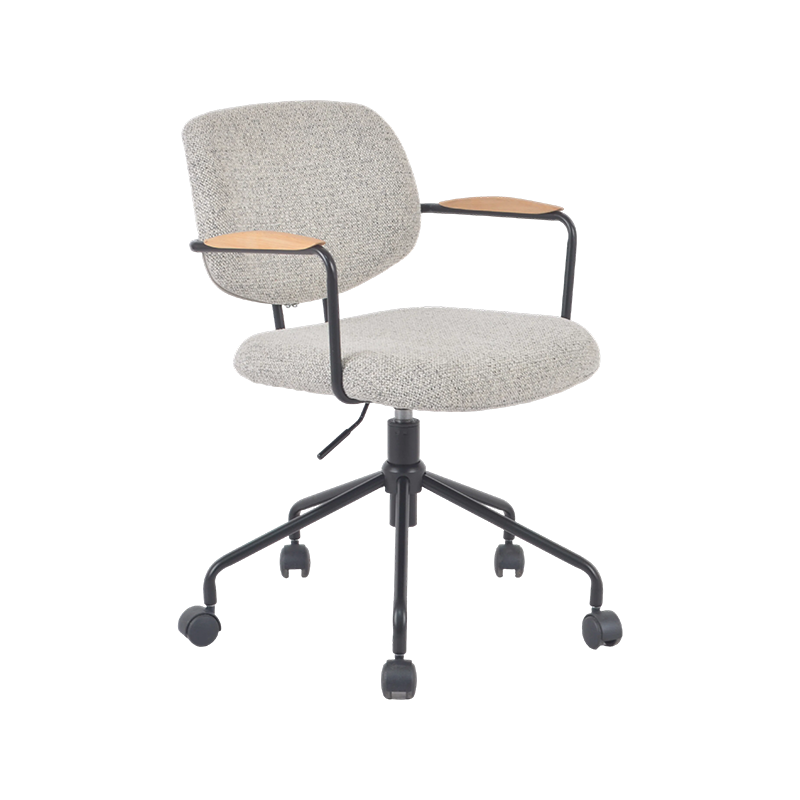
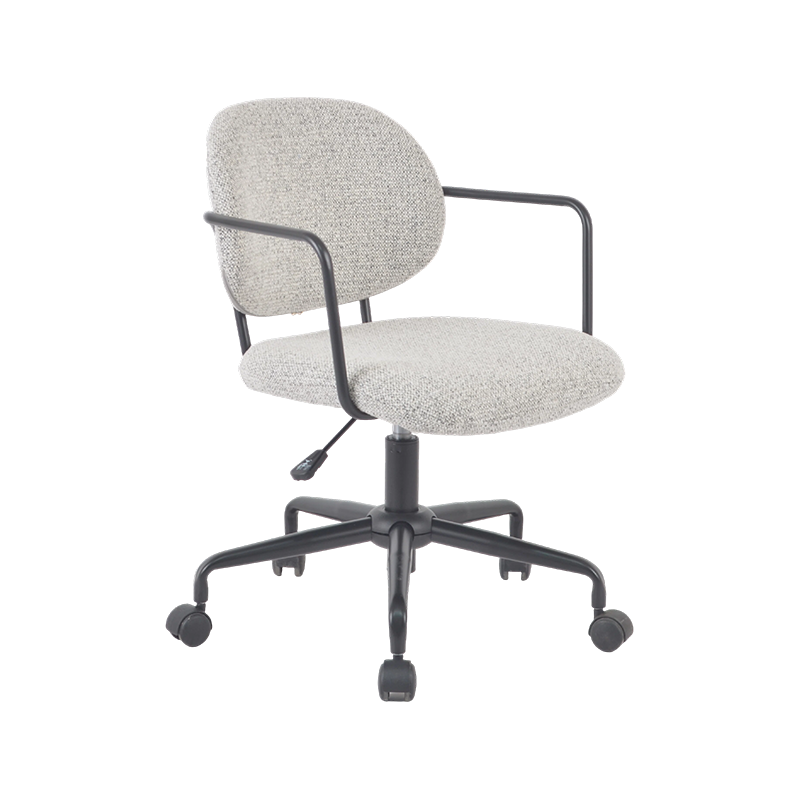
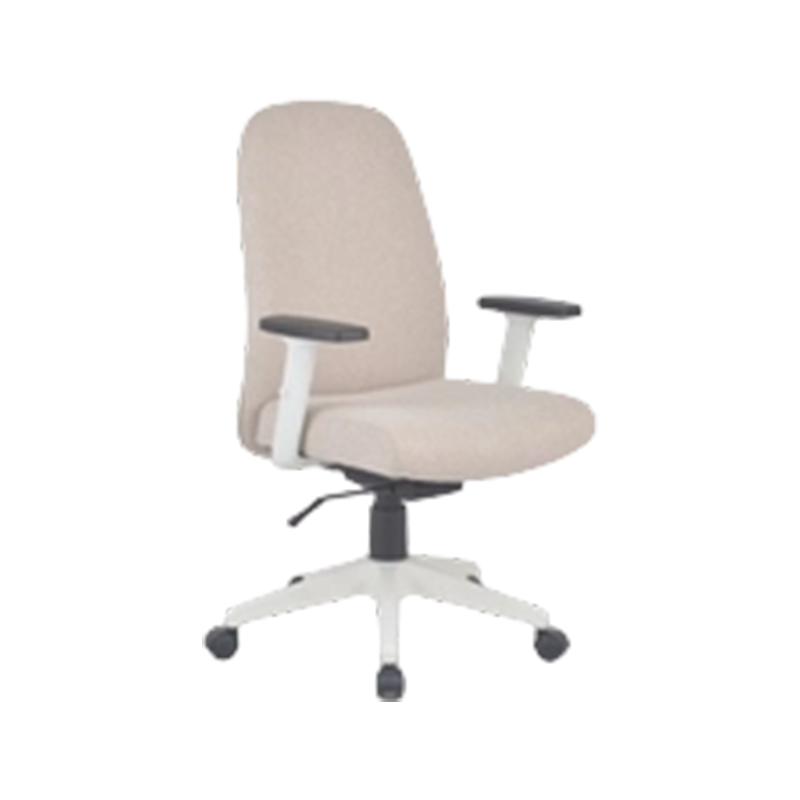
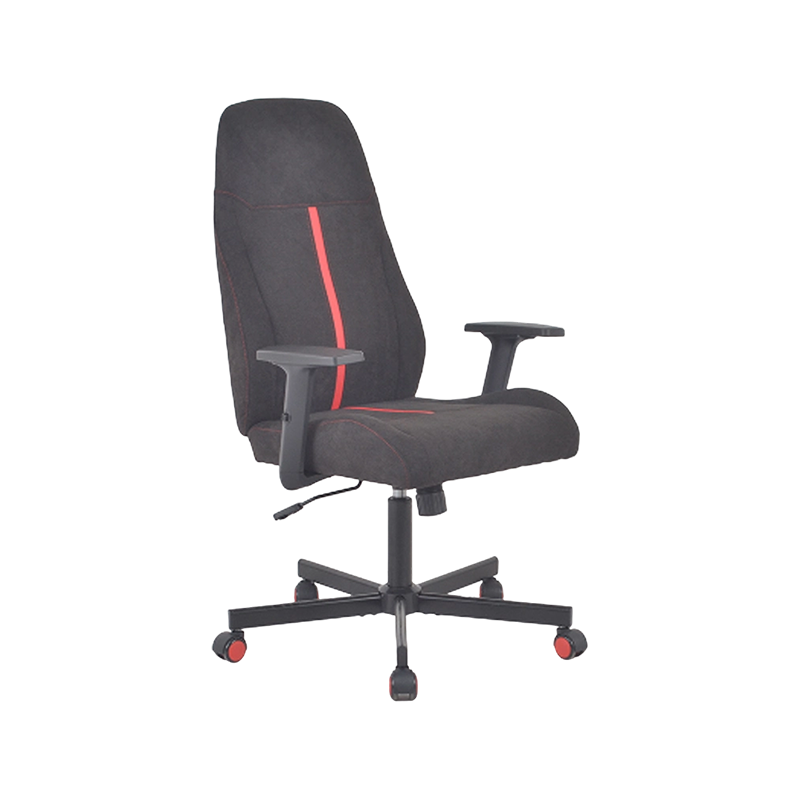
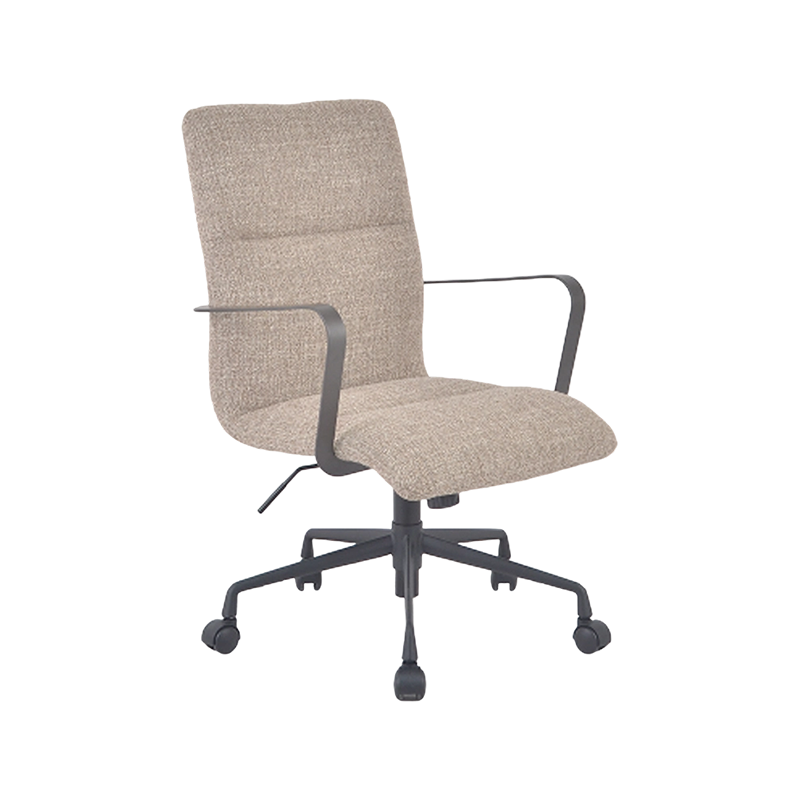
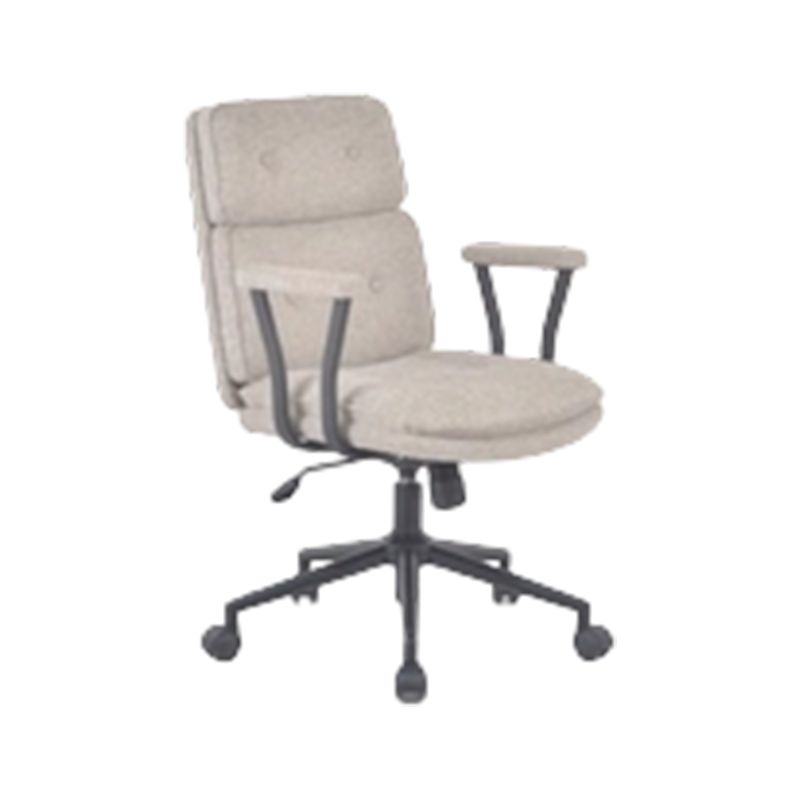
Message Feedback
About Us
Professional Office Furniture Manufacturer
Founded in 2007, Zhejiang HAOGUO Furniture Co., Ltd. is a professional office furniture manufacturer integrating R&D, production, and sales. OEM Fabric Office Chair Manufacturers and Fabric Office Chairs Factory in China. The company focuses on the R&D and manufacturing of office chairs, sofas, and other office furniture. Equipped with professional, standardized, and modern production lines, it has an annual production capacity of 2 million pieces. Wholesale Fabric Office Chairs. With stable quality and innovative design, the company's products are exported to more than 40 countries and regions worldwide, including Europe, the United States, the Middle East, and Asia, and are highly recognized by customers at home and abroad.
-
30+
Industry Experience
-
260+
Technical Staff
-
68000m2
Factory Area

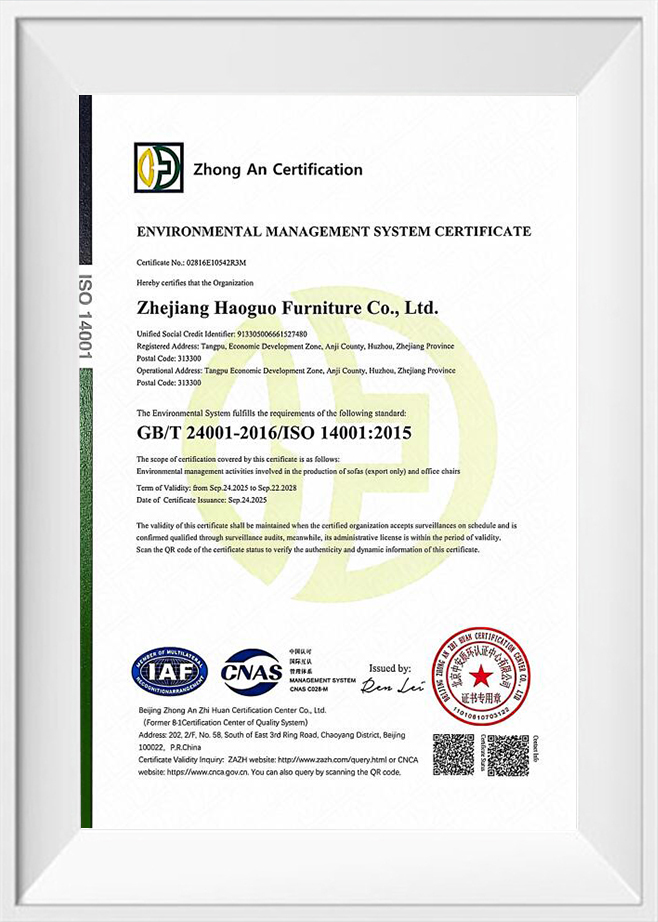
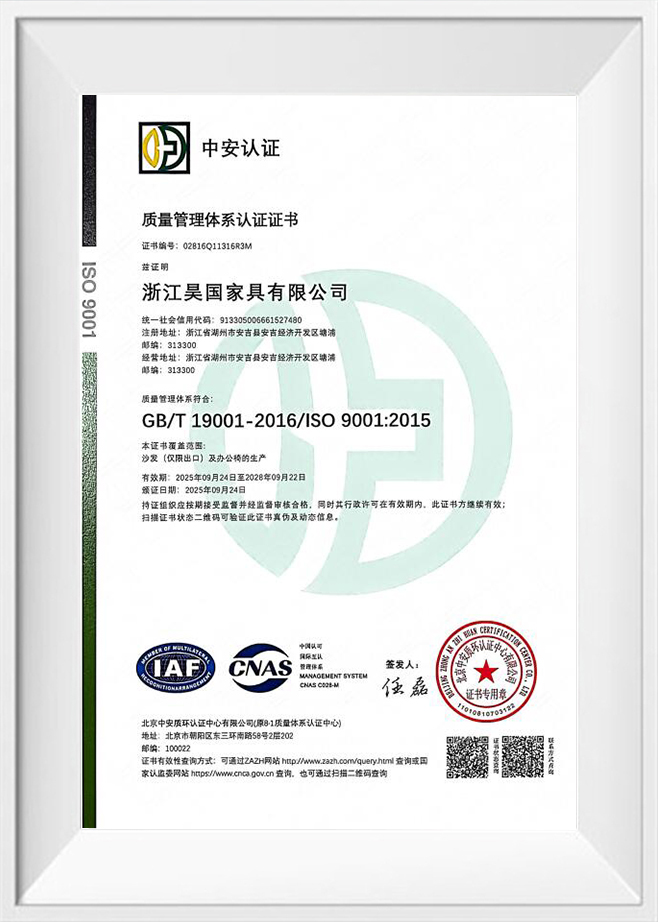
Certificate Of Honor
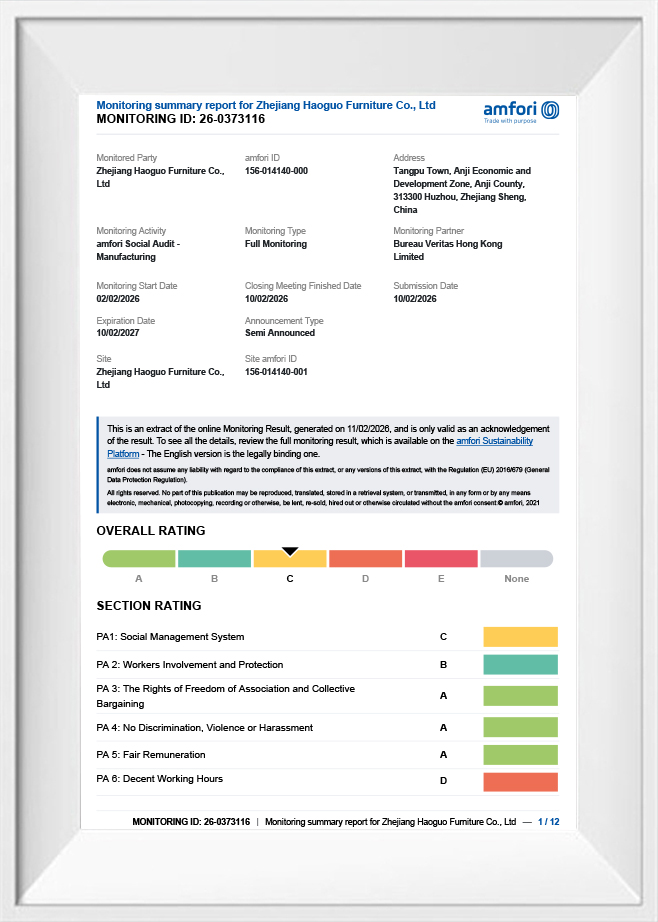
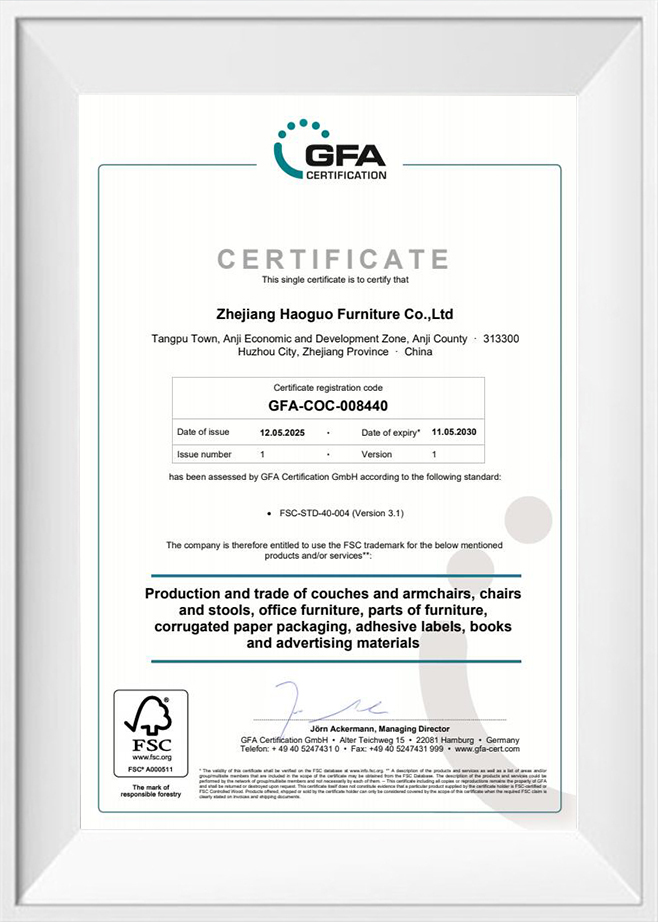
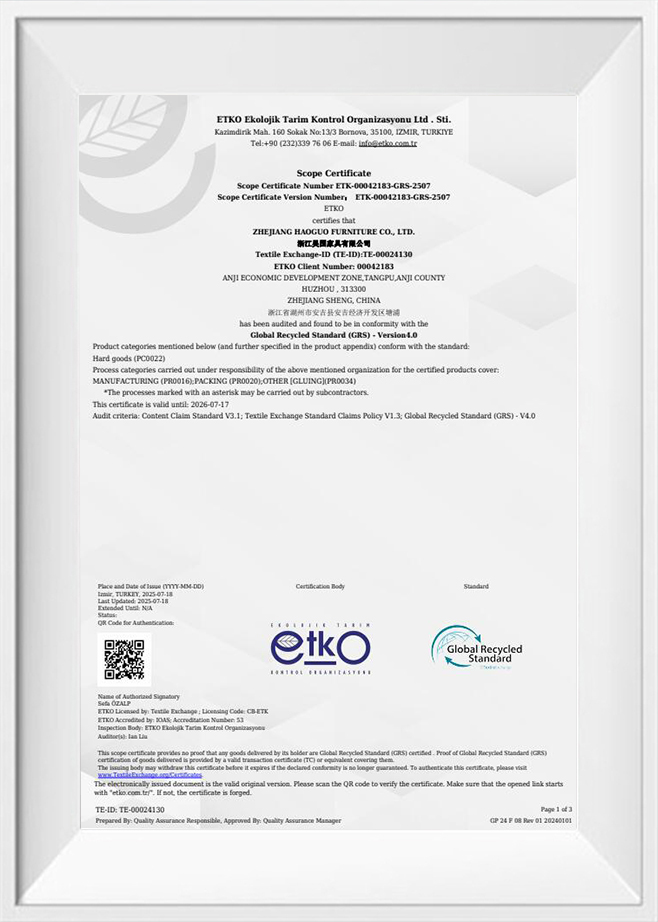
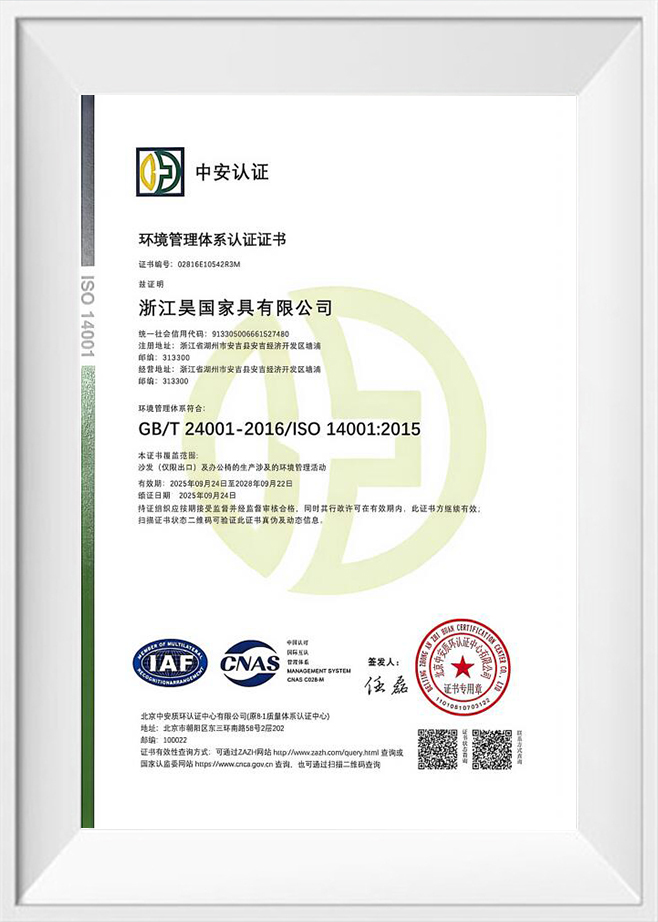
Industry Insights & Updates
Read More
-
2026-09-22Industry News
-
2026-09-15Industry News
-
2026-09-08Industry News
Industry Knowledge
Choosing Upholstery Fabrics for Different Office Environments
The performance of a fabric office chair depends heavily on selecting upholstery that matches the intended working environment. High-density woven fabrics are commonly preferred for commercial offices because they offer excellent abrasion resistance and maintain their appearance under frequent use. Softer knitted fabrics may provide greater comfort for executive offices or home workspaces, where daily traffic is typically lower and tactile comfort becomes a higher priority.
Beyond texture, factors such as colorfastness, anti-pilling performance, stain resistance, and breathability influence long-term satisfaction. Matching upholstery characteristics with workplace requirements helps reduce maintenance costs while extending the chair's service life.
| Office Environment | Recommended Fabric Property |
| Open Office | High abrasion resistance and easy maintenance |
| Executive Office | Premium texture and comfort |
| Home Office | Soft touch with balanced breathability |
How Cushion Density Affects Seating Performance
The upholstery fabric is only one component of seating comfort. The density and resilience of the foam beneath the fabric significantly influence pressure distribution and long-term support. Higher-density molded foam generally provides better shape retention, preventing excessive compression after years of daily use. Properly engineered cushioning also reduces fatigue by supporting the pelvis while maintaining natural spinal alignment.
Manufacturers often optimize both foam hardness and thickness according to chair type. Conference seating may prioritize a firmer feel for shorter meetings, while task chairs designed for all-day work typically balance softness with structural support.
- High-density foam improves durability and reduces permanent deformation.
- Balanced cushioning minimizes pressure on the hips and thighs.
- Proper foam recovery helps maintain ergonomic support over time.
Fabric Testing Standards That Matter for Commercial Furniture
Commercial office furniture requires upholstery capable of withstanding continuous daily use. Fabric evaluation extends beyond visual inspection and typically includes abrasion resistance, seam strength, tear resistance, colorfastness, and pilling performance. These tests provide objective indicators of how well the material will perform under long-term workplace conditions.
Manufacturers also assess how fabrics respond to repeated cleaning and environmental exposure. Stable color retention and dimensional stability help maintain a professional appearance throughout the product's lifecycle, particularly in high-traffic office environments.
| Performance Test | Purpose |
| Abrasion Resistance | Measures durability under repeated friction |
| Colorfastness | Evaluates resistance to fading and cleaning |
| Pilling Resistance | Determines surface appearance after long-term use |
Ergonomic Design Beyond the Upholstery
Although fabric contributes significantly to comfort, ergonomic engineering ultimately determines how effectively a chair supports the body. Adjustable lumbar support, synchronized reclining mechanisms, seat depth adjustment, and flexible armrests allow users to customize seating positions according to their body dimensions and working habits.
The interaction between the upholstery, internal cushioning, and structural frame should create consistent support during movement. Well-designed fabric office chairs maintain stable body contact while allowing natural posture changes throughout the workday, reducing fatigue caused by prolonged static sitting.
Maintenance Practices That Extend Fabric Chair Lifespan
Routine maintenance preserves both the appearance and structural integrity of fabric office chairs. Dust and fine particles gradually work into upholstery fibers, increasing wear during daily use. Regular vacuuming with a soft brush attachment removes abrasive debris before it damages the fabric surface.
Liquid spills should be cleaned promptly using manufacturer-recommended cleaning methods to prevent permanent staining or moisture penetration into the cushion. Rotating chairs within shared office areas can also distribute usage more evenly, reducing localized wear and extending the overall service life of office seating.
- Vacuum upholstery regularly to remove embedded dust.
- Address spills immediately using suitable cleaning products.
- Inspect moving components periodically to maintain overall chair performance.

- Mobile
- Contact Us
-
-
+86-139 0582 1355

-
alan@haoguofurniture.com

-
Approximately 210 meters south of the intersection of Le San Road and Sanwanqiao Road in Anji County, Huzhou City, Zhejiang Province, China

-
Copyright ©
Zhejiang HAOGUO Furniture Co., Ltd.
Rights Reserved.
 Fabric Office Chairs Factory Fabric Office Chairs Wholesale Suppliers
