


 English
 Español
 عربى
Dallas Furniture Market Guide: Showrooms, Buying Seasons, and Smart Sourcing
Dallas Furniture Market Guide: Showrooms, Buying Seasons, and Smart Sourcing
Dallas Furniture Market Guide: Showrooms, Buying Seasons, and Smart Sourcing
Dallas Furniture Market Guide: Showrooms, Buying Seasons, and Smart Sourcing
Dallas Furniture Market Guide: Showrooms, Buying Seasons, and Smart Sourcing
Dallas Furniture Market Guide: Showrooms, Buying Seasons, and Smart Sourcing
Dallas Furniture Market Guide: Showrooms, Buying Seasons, and Smart Sourcing
Dallas Furniture Market Guide: Showrooms, Buying Seasons, and Smart Sourcing
Dallas Furniture Market Guide: Showrooms, Buying Seasons, and Smart Sourcing
Dallas Furniture Market Guide: Showrooms, Buying Seasons, and Smart Sourcing
Dallas Furniture Market Guide: Showrooms, Buying Seasons, and Smart Sourcing
Dallas Furniture Market Guide: Showrooms, Buying Seasons, and Smart Sourcing
Dallas Furniture Market Guide: Showrooms, Buying Seasons, and Smart Sourcing
Dallas Furniture Market Guide: Showrooms, Buying Seasons, and Smart Sourcing
Dallas Furniture Market Guide: Showrooms, Buying Seasons, and Smart Sourcing
Dallas Furniture Market Guide: Showrooms, Buying Seasons, and Smart Sourcing

Product Category
NEW Category
Contact us
Dallas Furniture Market Guide: Showrooms, Buying Seasons, and Smart Sourcing
Content
Anyone who sells, specifies, or builds furniture eventually hears about Dallas. The city sits in the middle of one of the fastest-growing metro areas in the United States, and its wholesale furniture market has become a familiar stop for retailers, interior designers, and contract buyers working across the South and Midwest. If a first visit is on your calendar — or if you are rethinking how you source for the region — this guide walks through what the market is, how it is organized, and what is worth preparing before you walk the halls.
Why Dallas Became a Furniture Hub
The short answer is geography plus scale. Dallas–Fort Worth International Airport handles more cargo than most hubs in the country, and the metro sits at the crossing of major interstate corridors running north–south and east–west. That combination makes it practical to receive containers, hold inventory, and ship to stores across a trade area that stretches well beyond Texas into Oklahoma, Arkansas, Louisiana, and parts of New Mexico and Missouri.
The Dallas Market Center campus anchors the wholesale side, with several million square feet of permanent showroom space spread across buildings devoted to home furnishings, lighting, gifts, and design. Around it, a dense layer of independent retailers, design studios, hospitality groups, and third-party logistics providers has grown up over decades. The result is a market that is unusually easy to work in: you can see upholstery, case goods, and accessories in a single morning, then meet a freight forwarder in the afternoon.
What the Dallas Furniture Market Actually Covers
Buyers sometimes arrive expecting only residential furniture and leave surprised by the breadth. The market mixes residential and commercial lines, and the boundaries between them are thinner than they used to be. In practice, most visits touch on five broad groups:
- Residential upholstery — sofas, sectionals, loveseats, accent chairs, and recliners
- Case goods and occasional pieces — dining tables, chairs, bedroom, and storage
- Lighting, rugs, wall decor, and accessories that complete a floor set
- Contract and hospitality seating built for heavier daily use
- Office and home office seating, from task chairs to executive models
Because the campus combines permanent showrooms with temporary exhibits during market weeks, the mix shifts from season to season. A brand that showed on a temporary floor in June may hold a permanent space a year later, so it pays to check the exhibitor directory before traveling.
How the Buying Calendar Works
The year peaks around two anchor editions, one in January and one in June, when the largest number of showrooms open their doors and temporary exhibits fill the halls. Between those peaks, the campus runs smaller design-focused events, open houses, and appointment-only showings that suit buyers who prefer a quieter floor and longer conversations.
Three habits make the calendar easier to manage. First, confirm exact dates with the organizers each year, because they shift slightly. Second, book showroom appointments three to four weeks ahead; the best slots go early. Third, decide before you travel whether the trip is about discovery or about writing orders — a focused buying trip of two days usually beats a five-day wander.
Reading the Market Like an Experienced Buyer
Walking the halls with a category plan changes what you notice. Rather than asking "do I like it," the more useful question is "will this hold up in a Dallas store or a Houston restaurant for five years." The table below summarizes what buyers tend to examine in each category and how orders for the region are usually structured.
| Category | What buyers check | How regional orders usually look |
|---|---|---|
| Accent and lounge chairs | Frame joinery, fabric abrasion rating, seat height and depth | Small drops, high variety, frequent reorders |
| Modular and sectional sofas | Module connectors, foam density, removable covers | Program buys for retail floors and hospitality projects |
| Office and task seating | Mechanism type, adjustability range, test reports | Volume orders, often knock-down to save freight |
| Dining chairs | Stability, stackability, finish durability | Container-level buys for restaurants and retail |
| Contract and hospitality seating | Cleanability, commercial-grade foam, warranty terms | Project-based, often phased delivery |
Sourcing Beyond the Showroom Floor
The showroom is where a relationship starts, but the landed cost is where it is decided. Dallas is an inland market, so imported goods typically arrive through West Coast or Gulf ports and move inland by rail or truck. That extra leg is worth modeling before you commit to a container program, especially for bulky upholstery where cube efficiency matters more than unit price.
This is where knock-down construction earns its keep. Chairs and sofas that ship with frames and shells nested or partially disassembled can cut freight volume substantially, and assembly at the destination is usually a matter of minutes with the right hardware. Buyers also ask sharper questions than they did a decade ago: which test standard was used for the seating mechanism, what the foam density is after 50,000 cycles, whether covers can be removed for cleaning, and how spare parts are handled two years after delivery.
Payment terms, lead times, and reorder windows deserve equal attention. A six-week production window plus five weeks on the water plus port dwell can turn into a four-month cycle, which is why experienced buyers place seasonal programs early and keep a modest buffer of best-sellers on hand.
A Checklist for a First Market Visit
- Set an open-to-buy budget and a category plan before booking travel.
- Book showroom appointments three to four weeks ahead and confirm them a week out.
- Bring a spec sheet template so you can record dimensions, materials, and finishes on the spot.
- Ask every supplier for landed cost rather than FOB price, including packaging dimensions.
- Request test documentation for any seating destined for commercial use.
- Note lead times, minimum order quantities, and reorder windows in writing.
- Leave one afternoon free for follow-up conversations and a second look at shortlisted pieces.
Where the Factory Fits In
Most of what moves through Dallas eventually traces back to a factory floor somewhere, and the sourcing conversation is usually more productive when the manufacturer is part of it from the start. We have been building office chairs, sofas, dining chairs, and lounge seating since 2007, and our production facilities run to roughly two million pieces a year across a 63,000-square-meter plant. Roughly a quarter of what we ship is knock-down, which is not an accident — it is a direct response to what freight actually costs in markets like North Texas.
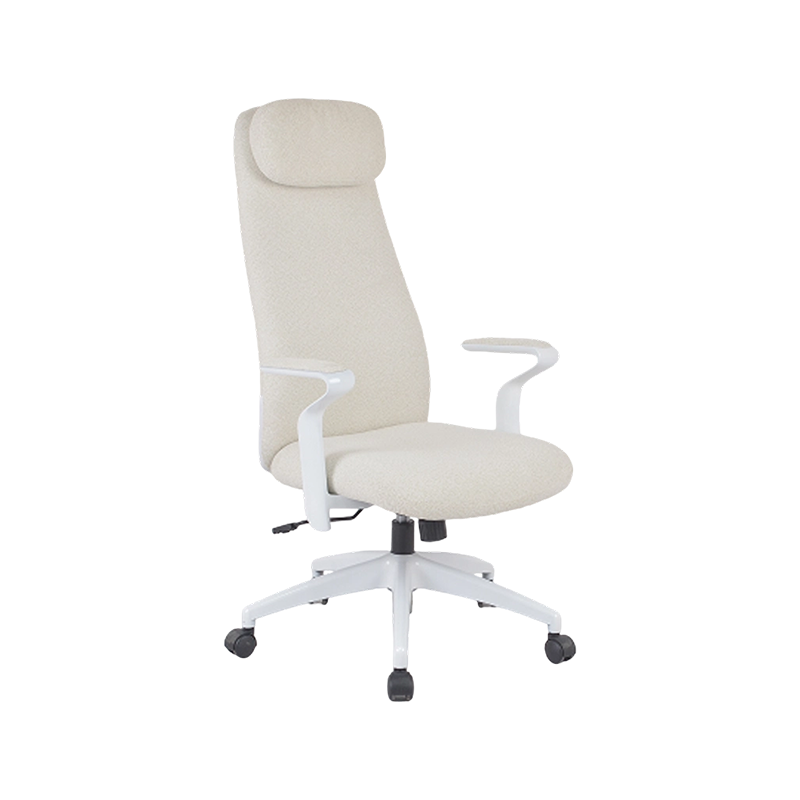
For buyers assembling a home office program, a compact task chair with a locking tilt and a slim profile often covers more floor plans than a fully featured executive model. This woven-fabric option is a good example of the middle ground.
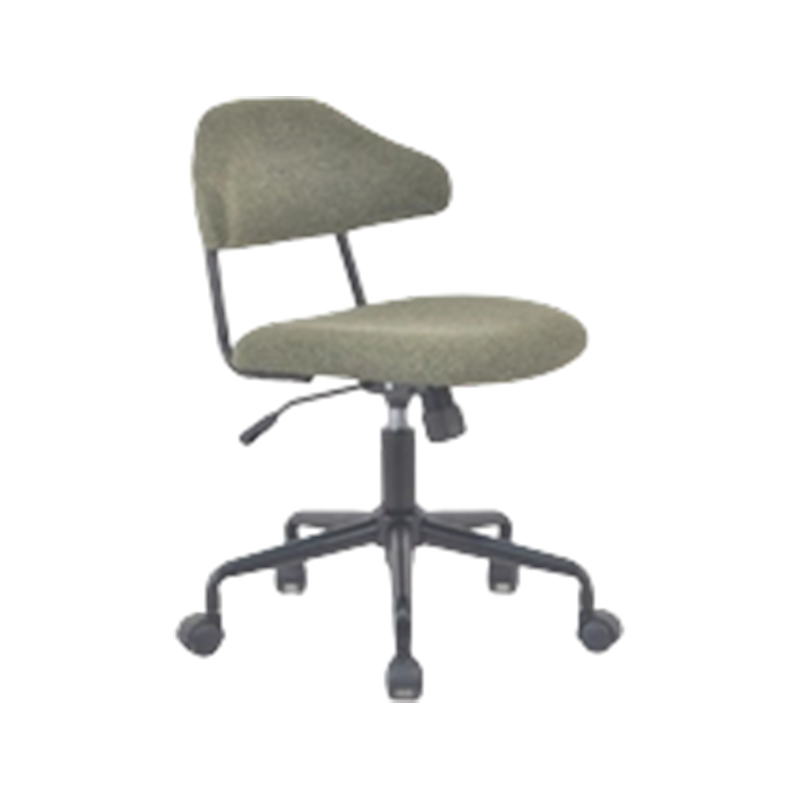 Slim-Profile Home Office Chair with Upgraded FabricA compact home office chair with upgraded woven fabric, mini butterfly mechanism, and painted steel base, suited to small workspaces and guest workstations.View Product →
Modular seating keeps coming up in Dallas, partly because so much of the new housing stock and hospitality build-out favors flexible layouts. Connectors, consistent seat heights across modules, and covers that can be swapped without replacing the frame are the details that separate a program piece from a one-off.
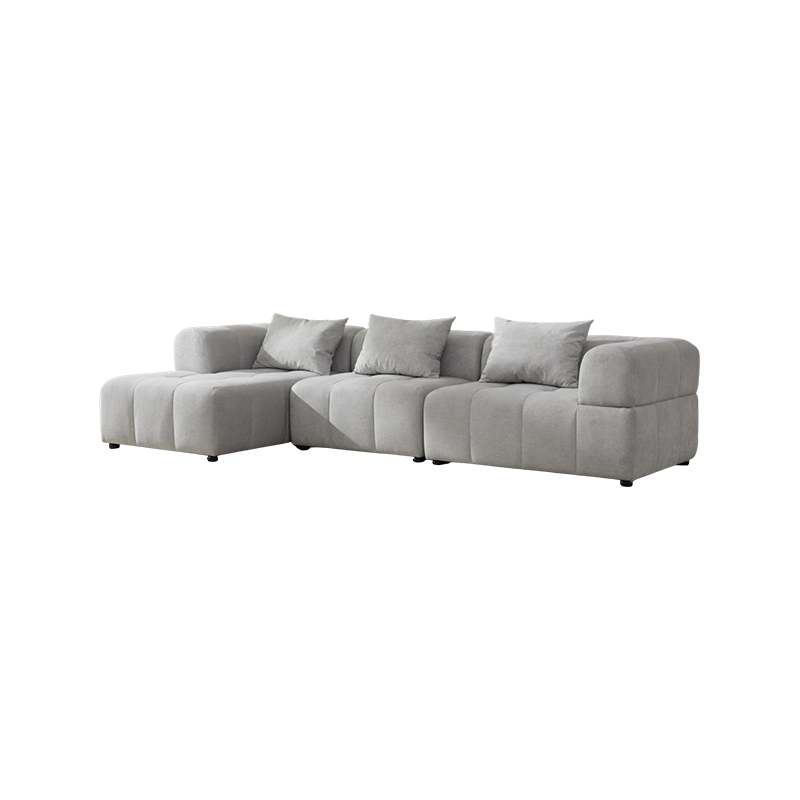 CENTAURI Modular Sofa for Flexible Living Room LayoutsA modular sofa with solid wood frame, wear-resistant polyester fabric, and three combinable configurations for modern minimalist, Scandinavian, and industrial living spaces.View Product →
Accent and lounge chairs remain the category where a buyer's taste matters most and where a small order can still make a floor set feel intentional. Solid wood frames and restrained silhouettes travel well across styles, which is why they tend to stay in a catalog longer than trend pieces.
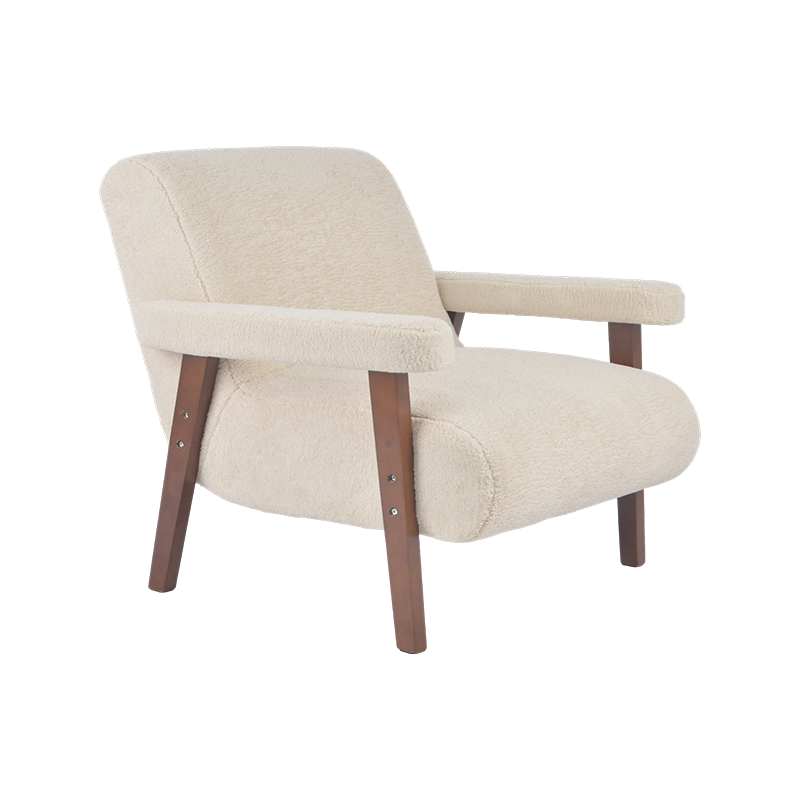 Nordic Modern Solid Wood Accent Lounge ChairA Scandinavian-style accent chair with enveloping upholstery, integrated armrests, and a solid wood frame, suited to reading nooks and layered living spaces.View Product →
The Dallas furniture market rewards preparation more than luck. Come with a category plan, ask about landed cost and test documentation, and treat the showroom visit as the start of a supply conversation rather than the end of one. If you are weighing a program for the region and want to talk through construction, packaging, or volume, our team is glad to help — you can reach us through the contact page and we will walk through the details together.
PREV:No previous article
NEXT:furniture foam market: Applications, Selection Criteria, and Practical Guidance
NEXT:furniture foam market: Applications, Selection Criteria, and Practical Guidance
Featured Products
Explore Our Featured Products



Featured News

- Mobile
- Contact Us
-
-
+86-139 0582 1355

-
alan@haoguofurniture.com

-
Approximately 210 meters south of the intersection of Le San Road and Sanwanqiao Road in Anji County, Huzhou City, Zhejiang Province, China

-
Copyright ©
Zhejiang HAOGUO Furniture Co., Ltd.
Rights Reserved.
 Office Chair Manufacturers
Dining Chair Manufacturers
