


 English
 Español
 عربى
furniture foam market: Applications, Selection Criteria, and Practical Guidance
furniture foam market: Applications, Selection Criteria, and Practical Guidance
furniture foam market: Applications, Selection Criteria, and Practical Guidance
furniture foam market: Applications, Selection Criteria, and Practical Guidance
furniture foam market: Applications, Selection Criteria, and Practical Guidance
furniture foam market: Applications, Selection Criteria, and Practical Guidance
furniture foam market: Applications, Selection Criteria, and Practical Guidance
furniture foam market: Applications, Selection Criteria, and Practical Guidance
furniture foam market: Applications, Selection Criteria, and Practical Guidance
furniture foam market: Applications, Selection Criteria, and Practical Guidance
furniture foam market: Applications, Selection Criteria, and Practical Guidance
furniture foam market: Applications, Selection Criteria, and Practical Guidance
furniture foam market: Applications, Selection Criteria, and Practical Guidance
furniture foam market: Applications, Selection Criteria, and Practical Guidance
furniture foam market: Applications, Selection Criteria, and Practical Guidance
furniture foam market: Applications, Selection Criteria, and Practical Guidance

Product Category
NEW Category
Contact us
furniture foam market: Applications, Selection Criteria, and Practical Guidance
Content
Foam is the part of a chair nobody photographs. It sits under the fabric, invisible in the catalogue image, and yet it decides whether someone works comfortably through a full day or pushes the chair away after twenty minutes. After nearly two decades of building office chairs, sofas and dining chairs for buyers in more than forty countries, we have watched the furniture foam market change from a straight cost conversation into something that looks much more like an engineering and sustainability conversation.
What follows is a practical walk through that market: what is pushing demand, which foam types you will realistically be offered, how to judge a sample before you approve it, and where the supply side appears to be heading.
What Is Driving Demand for Furniture Foam
Most of the growth here is not exotic. It comes from ordinary things: more people working from home, more offices refurbished around ergonomics, more hotels and restaurants replacing seating on fixed cycles, and more furniture bought online where nobody can touch the product before it arrives.
- Ergonomic expectations. A task chair is now judged on lumbar support, seat pressure and adjustability. Foam density and layering do much of that invisible work.
- Contract and hospitality furniture. Cafés, hotels and co-working spaces need cushions that survive daily commercial use, not showroom conditions.
- Sustainability requirements. Buyers ask about recycled content, low-emission foam, and whether a cushion can be separated from its frame for recycling.
- Logistics. Compressed and knock-down furniture has pushed formulators toward foams that recover their full thickness quickly after unpacking.
- Material cost volatility. Polyol and isocyanate prices move, so both manufacturers and buyers look for grades that deliver the same feel with less material.
The result is a market where the same seating category can be built to very different standards, and where the specification document matters far more than the photo.
The Foam Types You Will Actually Be Offered
Talk to enough suppliers and you will hear the same handful of names. The useful skill is not memorising them but knowing what each is normally chosen for, and what question to ask about it.
| Foam type | What it feels like | Typical use | What to check |
|---|---|---|---|
| Conventional PU foam | Soft, springy, softens with use | Economy task chairs, back cushions, dining chairs | Layer densities, not just the seat top |
| High-resilience PU | Supportive, fast recovery | Daily-use office seating, seat cushions | Resilience figure and fatigue loss after cycling |
| Memory (viscoelastic) | Slow, contouring, warmer | Home office chairs, lounge seating | Recovery speed in cooler rooms |
| Latex | Bouncy, firm, breathable | Premium lounge and accent seating | Batch consistency and cost stability |
| Rebonded and hybrid | Dense, firm, heavier | Structural layers, sofa bases and arms | Binder quality and odour |
Latex and bio-based grades are the two categories where buyers most often ask for documentation, and rightly so: the marketing language runs ahead of the technical data in both cases.
How Foam Choices Show Up in Finished Furniture
Walk through a showroom and you can feel the market in the seating. A high-back ergonomic chair usually pairs a firmer, higher-density foam in the seat with a softer grade in the back and headrest, so the cushion supports the sitter instead of swallowing them. It is a small design decision with a large effect on whether the chair is still comfortable at the end of a warranty period.
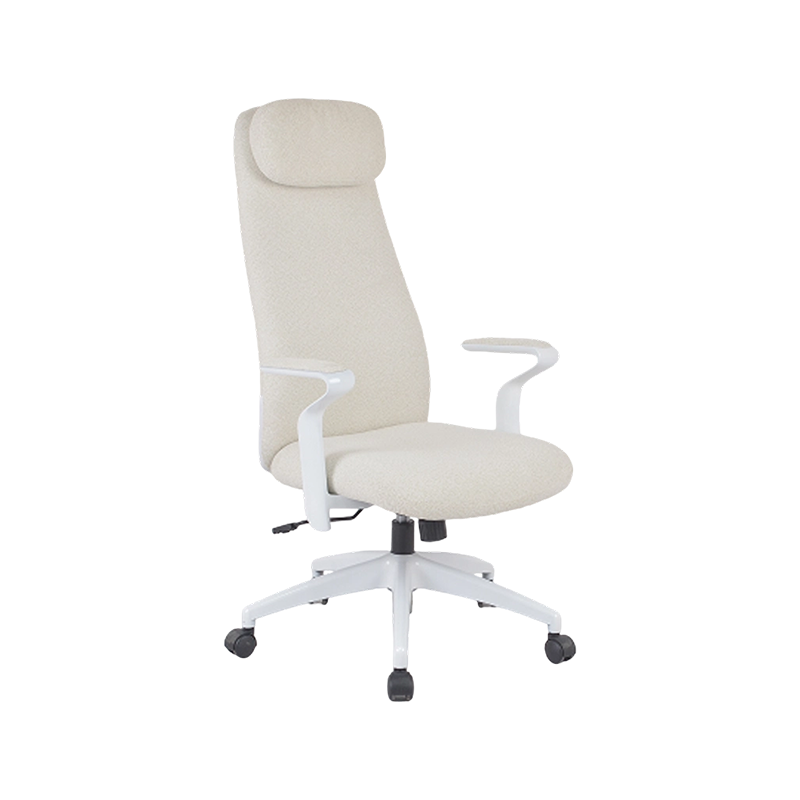
A good example is an ergonomic fabric chair built with adjustable arms and a locking tilt: the mechanism gets the attention, but the seat foam is what keeps the chair in service.
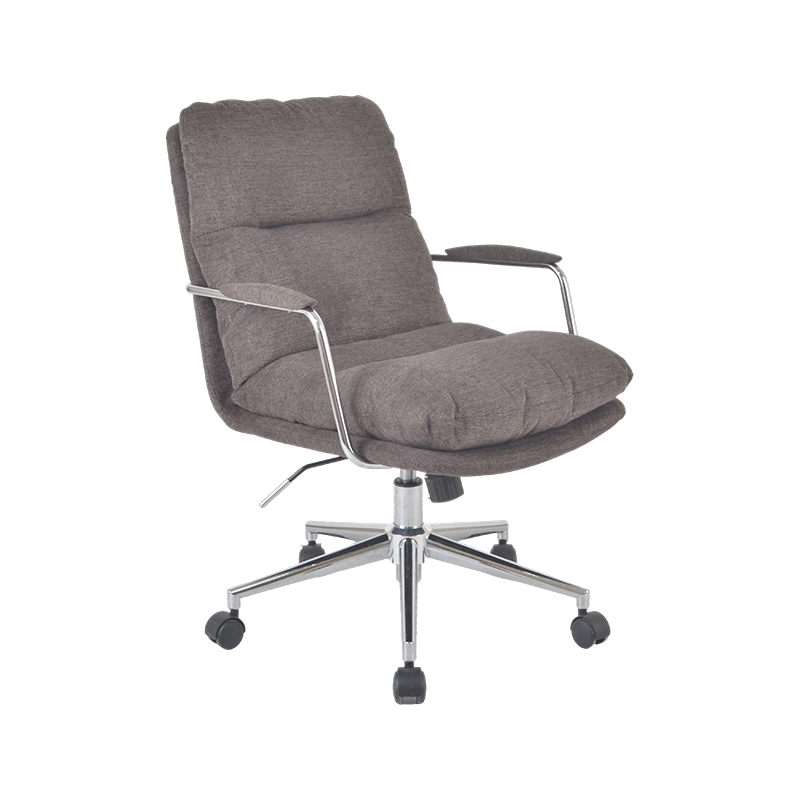 High-Back Ergonomic Fabric Office ChairAn ergonomic fabric chair with segmented padded back, locking tilt, chrome frame and swivel base, suited to long office or study sessions.View Product →
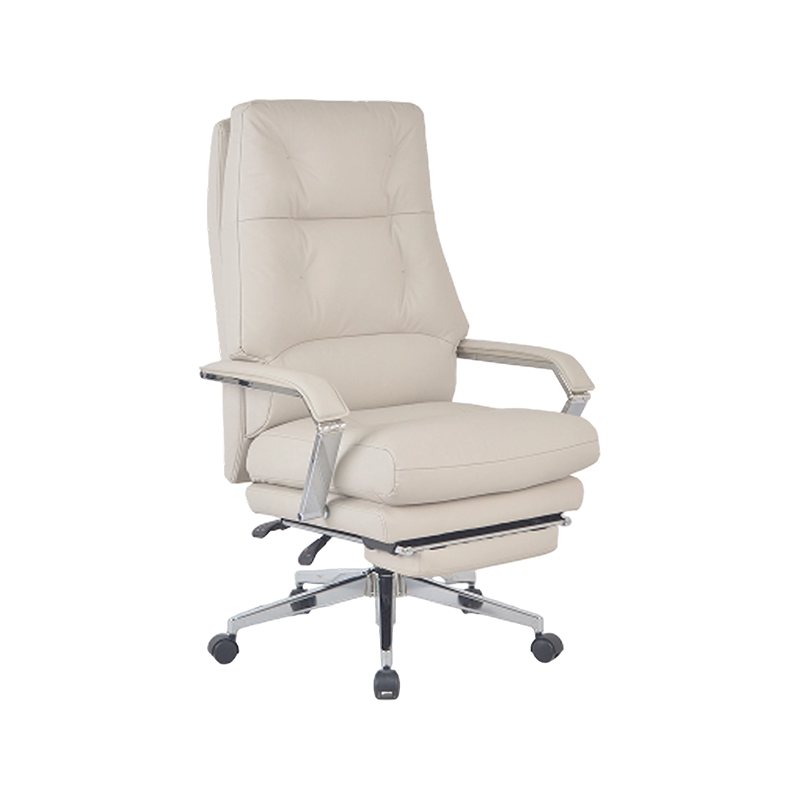
Executive leather seating flips the logic slightly. The seat is often softer for a relaxed posture, while bolsters and the frame area stay firm, because the foam has to hold the shape of the upholstery as much as the weight of the person.
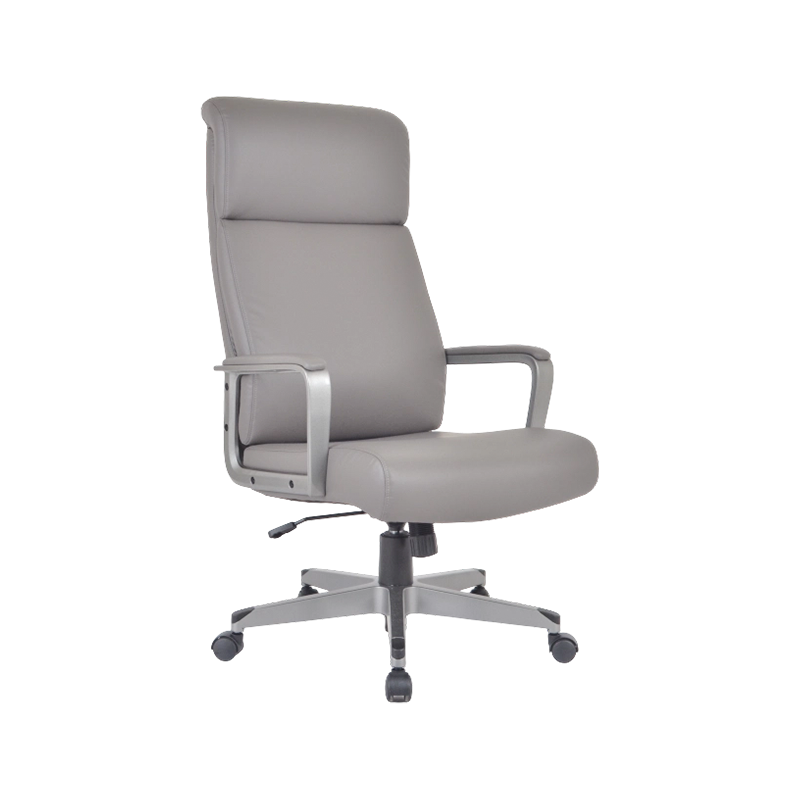 High-Back PU Leather Executive Office Chair 7997Cost-effective executive seating with a double-layer back, high-density sponge cushion and nylon base, offering PU comfort and support for long office use.View Product →
On sofas and lounge chairs the order reverses again: soft comfort layers on top, firmer structural foam underneath. Get the order wrong and a sofa looks generous in the showroom but feels hollow within a year.
Density, Resilience and the Numbers Worth Asking About
Foam is sold by density, usually kilograms per cubic metre, and by firmness, expressed as a compression or indentation load figure. Density tells you how much material is in the cushion. Firmness tells you how it feels on day one. They are not the same property, and confusing them is the most common mistake we see in sourcing conversations.
When you evaluate a sample, these checks save time later:
- Ask for the density of every layer, not a single figure for the seat.
- Request a dynamic fatigue or compression set result rather than a static hardness number.
- Press the cushion, release it, and time how long it takes to recover.
- Ask for emission and odour documentation if the furniture is destined for offices or hotels.
- Sit on the sample for at least fifteen minutes, not fifteen seconds.
- Confirm how the foam is bonded to the shell, since glue lines fail before foam does.
Our own production runs on the same principle, and visitors to our manufacturing facility usually spend more time pressing cushions than looking at fabric swatches.
Compressed, Modular and the Shipping Factor
Online furniture has quietly reshaped foam specification. A sofa that ships in a box has to be compressed, rolled and then recover its shape without permanent creasing or a visible seam line where the foam was folded. That pushes buyers toward grades with faster recovery and toward designs where the comfort layer is replaceable rather than glued in permanently.
Modular seating is the clearest expression of this trend: individual units are easier to compress, easier to replace and easier to recycle at end of life, which is exactly what commercial buyers are starting to request.
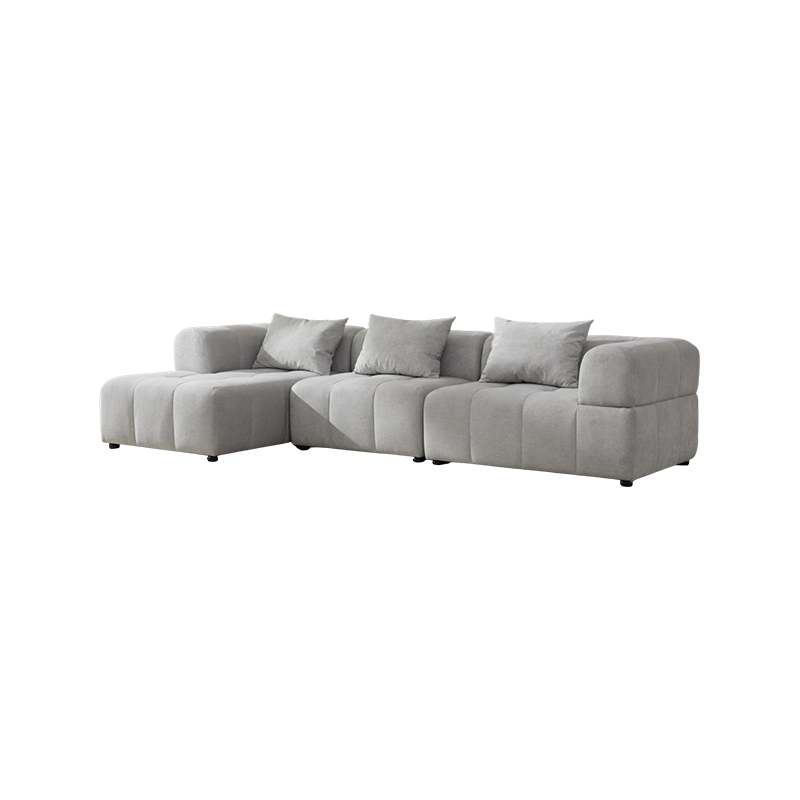 CENTAURI Modular Living Room SofaA modular sofa with high-density foam, solid wood frame and wear-resistant polyester upholstery, available in single, double and L-shaped units for flexible layouts.View Product →
For exporters, there is a second benefit. Compressed cushions reduce container volume, which lowers freight cost per unit without touching the retail price. That saving is often what makes a better foam grade affordable in the first place.
Where the Furniture Foam Market Is Heading
Three directions stand out from our side of the table. The first is bio-based and recycled polyol content, which is moving from pilot orders into mainstream programmes, though buyers still need to separate verified content from aspirational labels. The second is mono-material thinking, where foam, cover and frame are designed so they can be separated quickly, because recycling rates depend far more on disassembly than on chemistry.
The third is thinner, more engineered comfort layers. Rather than adding more foam, designers combine a thin memory layer with a shaped high-resilience core, which delivers better support with less material and less weight. It also makes chairs cheaper to ship, which is why the approach is spreading fast through office seating.
None of this removes the basics. Density, resilience, bonding quality and recovery still decide whether a piece of furniture survives its first year of real use.
We have been manufacturing office chairs, sofas, leisure chairs and dining chairs since 2007, and the foam conversation has become a normal part of every project discussion rather than an afterthought. If you are comparing grades, weighing compressed construction against traditional build, or simply trying to work out why one sample feels different from another, our team is glad to talk it through. You can read more about our company or send us your specification and let the samples answer the rest.
PREV:Dallas Furniture Market Guide: Showrooms, Buying Seasons, and Smart Sourcing
NEXT:Ashley Furniture News: What Recent Headlines Mean for Office Furniture Buyers
NEXT:Ashley Furniture News: What Recent Headlines Mean for Office Furniture Buyers
Featured Products
Explore Our Featured Products



Featured News

- Mobile
- Contact Us
-
-
+86-139 0582 1355

-
alan@haoguofurniture.com

-
Approximately 210 meters south of the intersection of Le San Road and Sanwanqiao Road in Anji County, Huzhou City, Zhejiang Province, China

-
Copyright ©
Zhejiang HAOGUO Furniture Co., Ltd.
Rights Reserved.
 Office Chair Manufacturers
Dining Chair Manufacturers
