


 English
  Español
  عربى
عربى
How Do You Choose the Perfect Loveseat Sofa for Comfort and Style?
How Do You Choose the Perfect Loveseat Sofa for Comfort and Style?
How Do You Choose the Perfect Loveseat Sofa for Comfort and Style?
How Do You Choose the Perfect Loveseat Sofa for Comfort and Style?
How Do You Choose the Perfect Loveseat Sofa for Comfort and Style?
How Do You Choose the Perfect Loveseat Sofa for Comfort and Style?
How Do You Choose the Perfect Loveseat Sofa for Comfort and Style?
How Do You Choose the Perfect Loveseat Sofa for Comfort and Style?
How Do You Choose the Perfect Loveseat Sofa for Comfort and Style?
How Do You Choose the Perfect Loveseat Sofa for Comfort and Style?
How Do You Choose the Perfect Loveseat Sofa for Comfort and Style?
How Do You Choose the Perfect Loveseat Sofa for Comfort and Style?
How Do You Choose the Perfect Loveseat Sofa for Comfort and Style?
How Do You Choose the Perfect Loveseat Sofa for Comfort and Style?
How Do You Choose the Perfect Loveseat Sofa for Comfort and Style?
How Do You Choose the Perfect Loveseat Sofa for Comfort and Style?

Product Category
NEW Category
Contact us
How Do You Choose the Perfect Loveseat Sofa for Comfort and Style?
Content
- 1 Understanding What Makes a Loveseat Different From a Sofa
- 2 Measuring Your Space Before You Buy
- 3 Choosing the Right Frame and Construction
- 4 Selecting Upholstery Fabric and Materials
- 5 Matching Style to Your Interior Design
- 6 Comfort Features to Prioritize
- 7 Budget Considerations and Where to Splurge
- 8 Care and Maintenance Tips
Understanding What Makes a Loveseat Different From a Sofa
A loveseat is a compact two-seat sofa, typically measuring between 50 and 65 inches wide, designed to fit comfortably in smaller living rooms, apartments, home offices, or bedroom sitting areas. Unlike a full-size sofa that comfortably seats three or more people, a loveseat is built for intimacy and efficiency, making it ideal for couples, reading nooks, or as a secondary seating option paired with a larger sofa. Choosing the right loveseat involves balancing size, comfort, and aesthetic appeal so it functions well within your space without overwhelming it.
Measuring Your Space Before You Buy
Before shopping, measure the intended space carefully, including doorways, hallways, and staircases the loveseat will need to pass through during delivery. A loveseat that looks perfect online can become a logistical headache if it cannot fit through your front door or turn a tight corner. Always leave at least 30 inches of walking space around the loveseat for comfortable movement through the room.
| Loveseat Type | Typical Width | Typical Depth | Best For |
| Compact Loveseat | 50–55 inches | 30–32 inches | Small apartments, studios |
| Standard Loveseat | 55–60 inches | 33–35 inches | Most living rooms |
| Oversized Loveseat | 60–65 inches | 36–38 inches | Larger rooms, extra lounging |
Choosing the Right Frame and Construction
The frame is the foundation of any loveseat's durability. Hardwood frames made from kiln-dried oak, maple, or birch resist warping and hold up to years of daily use far better than softwood or particleboard alternatives. When evaluating a loveseat in person, gently rock it to check for wobbling or creaking, which often signals weak joinery. Look for frames that use corner blocks, dowels, and screws rather than staples or glue alone, as these connections provide significantly more structural stability over time.
Suspension systems also matter. Sinuous springs, often called S-springs, offer reliable support at a moderate price point, while eight-way hand-tied springs provide superior comfort and longevity but come at a higher cost. Webbing suspension is the most budget-friendly option but tends to lose resilience faster than spring-based systems.
Selecting Upholstery Fabric and Materials
Upholstery affects both the look and the practicality of a loveseat. Consider how the piece will be used, who will sit on it, and whether pets or children are part of the household, since these factors influence which fabric will hold up best.
Fabric Options
Woven fabrics like linen and cotton blends offer a soft, breathable feel and work well in low-traffic formal spaces, though they can be more prone to staining. Performance fabrics, engineered with stain-resistant and moisture-wicking finishes, have become increasingly popular for households with kids or pets because they clean easily with mild soap and water.
Leather and Faux Leather
Genuine leather develops a rich patina over time and is highly durable, though it requires periodic conditioning to prevent cracking. Faux leather offers a similar aesthetic at a lower price point and resists spills well, but it may not last as long under heavy daily use.
Matching Style to Your Interior Design
A loveseat should complement the existing design language of the room rather than compete with it. Mid-century modern spaces often pair well with tapered wooden legs and clean, low-profile silhouettes, while traditional interiors benefit from rolled arms, tufted backs, and skirted bases. For transitional or contemporary rooms, track arms and neutral upholstery create a versatile foundation that adapts easily to changing decor trends.
- Choose neutral tones for long-term flexibility across seasonal decor changes
- Select bold colors or patterns if the loveseat serves as an accent piece
- Coordinate leg finishes with existing furniture hardware and flooring tones
- Consider arm height and back style to maintain visual balance with nearby seating
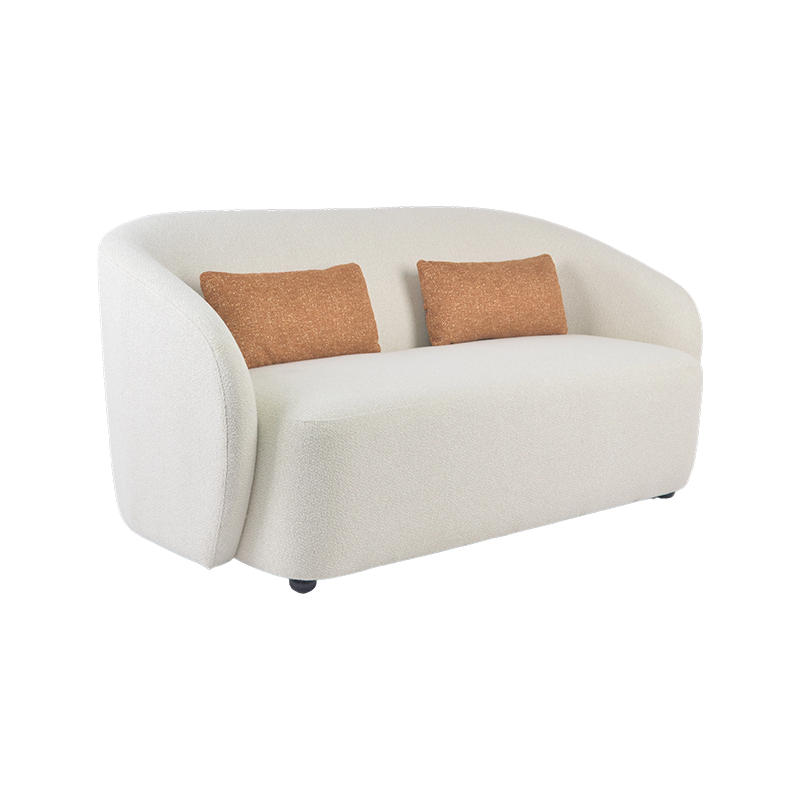
Comfort Features to Prioritize
Comfort is subjective, but certain design elements consistently improve the sitting experience. Seat depth should allow most adults to sit with their back against the cushion while feet remain flat on the floor, generally between 20 and 23 inches. Cushion fill also plays a major role: high-density foam retains its shape longer, while foam wrapped in down or down-alternative fiber offers a plush, sink-in feel that softens over time.
Backrest angle and arm height further influence comfort, particularly for people who use the loveseat for reading or watching television for extended periods. A slightly reclined back angle between 95 and 100 degrees tends to reduce strain on the lower back, while armrests at a height that supports relaxed elbows prevent shoulder fatigue.
Budget Considerations and Where to Splurge
Loveseat prices vary widely based on materials, brand, and construction quality, generally ranging from a few hundred dollars for basic models to well over two thousand dollars for premium designer pieces. When working within a budget, prioritize spending on the frame and suspension system since these components determine how long the loveseat will last. Upholstery and decorative details can often be updated or reupholstered later, but a weak internal structure is far more difficult and costly to repair.
- Invest in solid hardwood frames and reinforced joinery
- Choose higher-density foam cushions for lasting shape retention
- Save on decorative pillows and throws, which can be swapped affordably
- Compare warranty coverage, since longer warranties often reflect better build quality
Care and Maintenance Tips
Proper maintenance extends the life of any loveseat regardless of upholstery type. Vacuum fabric surfaces weekly using an upholstery attachment to prevent dust and debris from settling into the weave. Rotate and fluff cushions regularly to promote even wear, and address spills immediately with a clean, absorbent cloth rather than rubbing the stain, which can push liquid deeper into the fibers.
For leather loveseats, apply a quality leather conditioner every six to twelve months to prevent drying and cracking, and keep the piece away from direct sunlight and heat sources that can cause fading or brittleness. Fabric loveseats benefit from an annual professional cleaning, particularly for households with pets, to remove embedded allergens and maintain the fabric's original texture and color.
PREV:What Makes a Striped Armchair with Turned Legs Work in Any Room?
NEXT:What Should You Look for in a Home Office Chair for Comfortable Daily Work?
NEXT:What Should You Look for in a Home Office Chair for Comfortable Daily Work?
Featured Products
Explore Our Featured Products

Featured News

- Mobile
- Contact Us
-
-
+86-139 0582 1355

-
alan@haoguofurniture.com

-
Approximately 210 meters south of the intersection of Le San Road and Sanwanqiao Road in Anji County, Huzhou City, Zhejiang Province, China

-
Copyright ©
Zhejiang HAOGUO Furniture Co., Ltd.
Rights Reserved.
 Office Chair Manufacturers
Dining Chair Manufacturers
Office Chair Manufacturers
Dining Chair Manufacturers
