


 English
  Español
  عربى
عربى
product
product
product
product
product
product
product
product
product
product
product
product
product
product
product
product

Product Series
Product Category
Contact us
Office Chair Suppliers
-
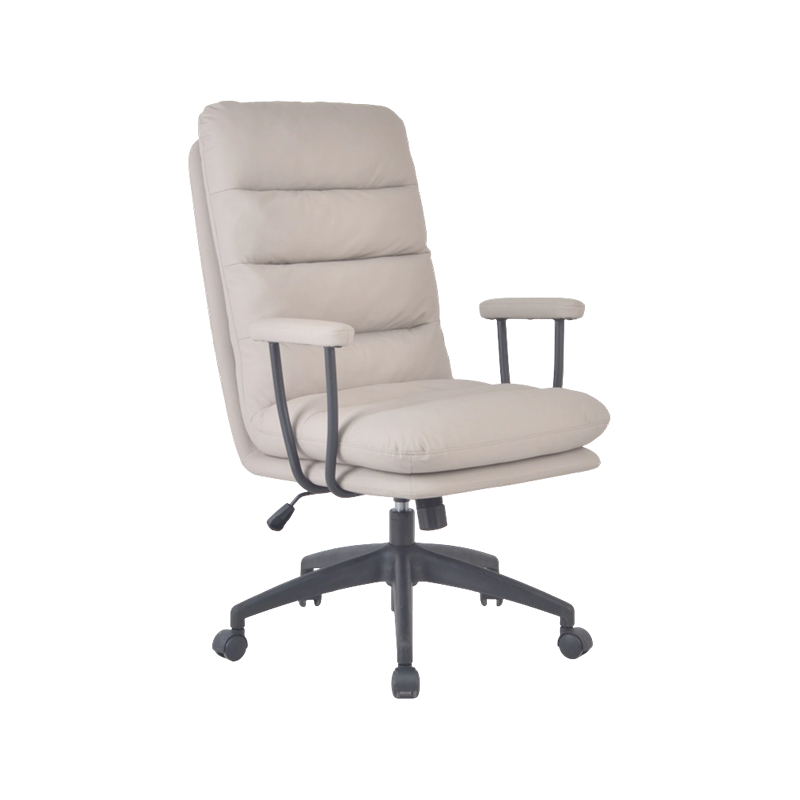
Scratch-Resistant PU Task Chair With Fixed Padded Steel Armrests
-
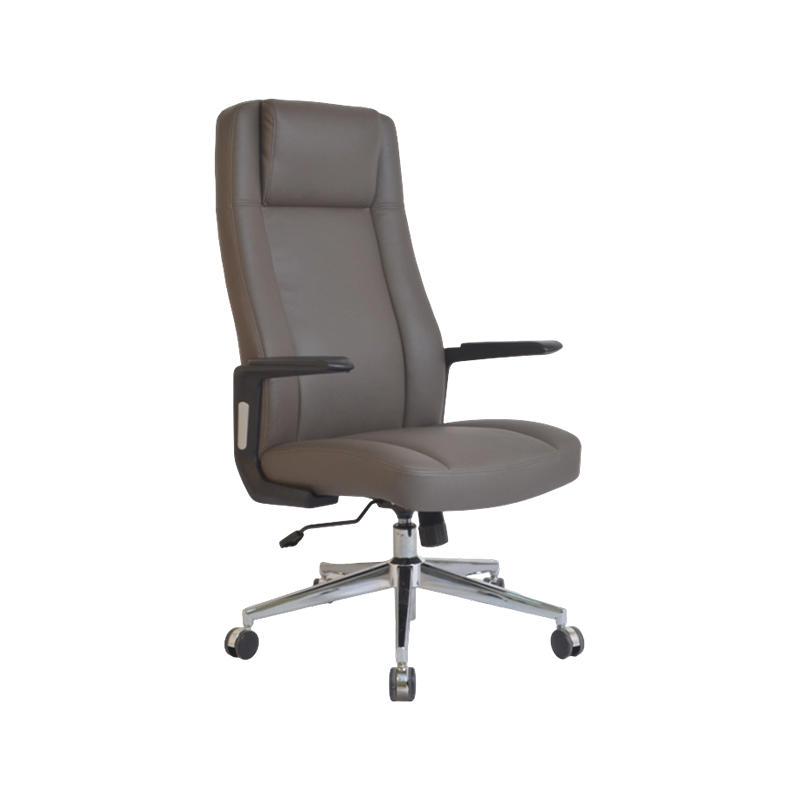
Pocket Spring Seat Hi-Tech PU Executive Chair With Chrome Accents
-
Two-Tone Fabric & PU Office Chair with Height-Adjustable Padded Armrests
-
Wide-Seat Scratch-Resistant PU Chair With Knock-Down Single-Leg Nylon Base
-
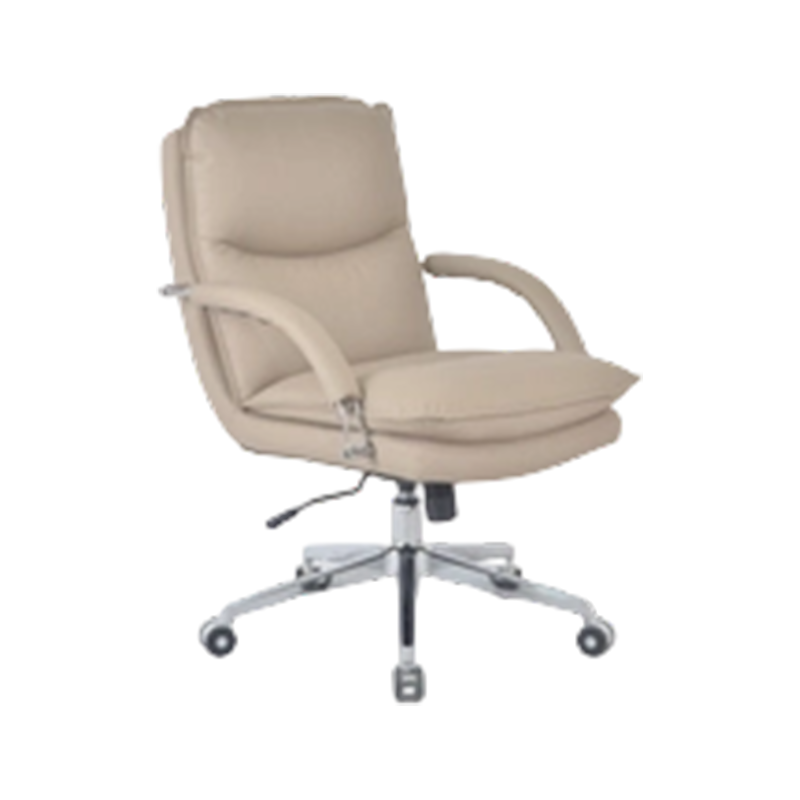
Chrome Frame High-Tech PU Executive Chair With Wide Deep Seat And Chrome Castors
-
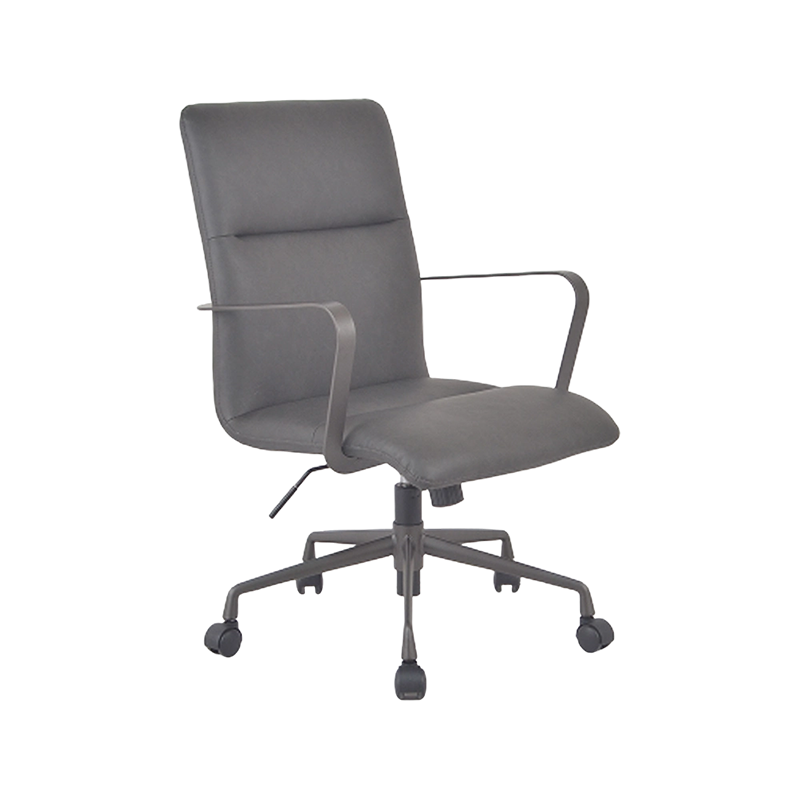
Retro Industrial Vintage PU Task Chair With Painted Steel Arms And Base
-
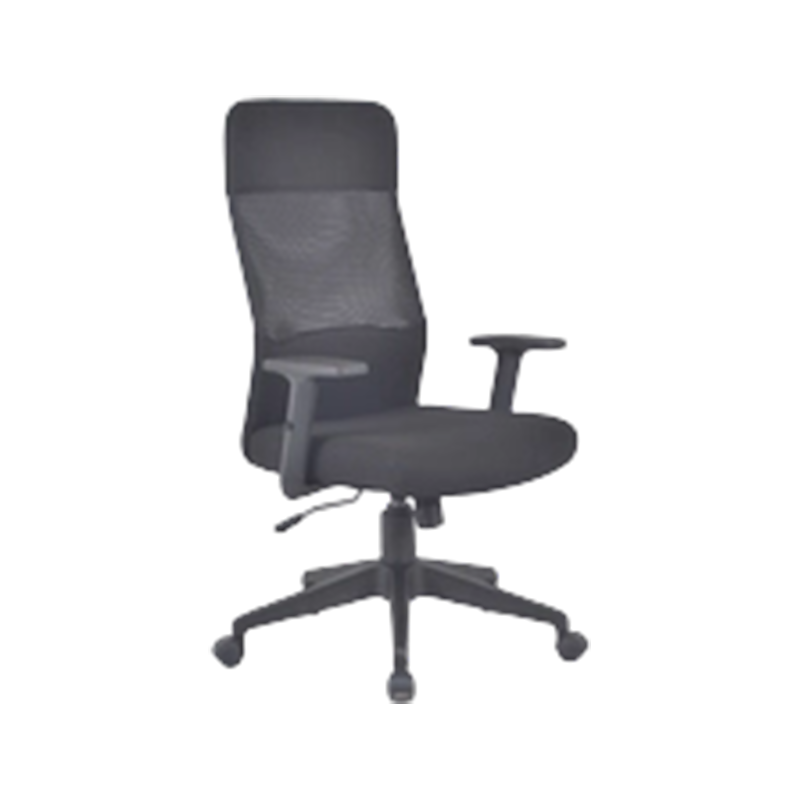
Breathable Mesh-Back Fabric Seat Task Chair With Adjustable Arm Height
-
4-Position Locking Tilt Fabric Chair With Height-Adjustable Arms And KD Base
-
Scandinavian-Profile White-Frame Fabric Chair With Butterfly Tilt Mechanism
-
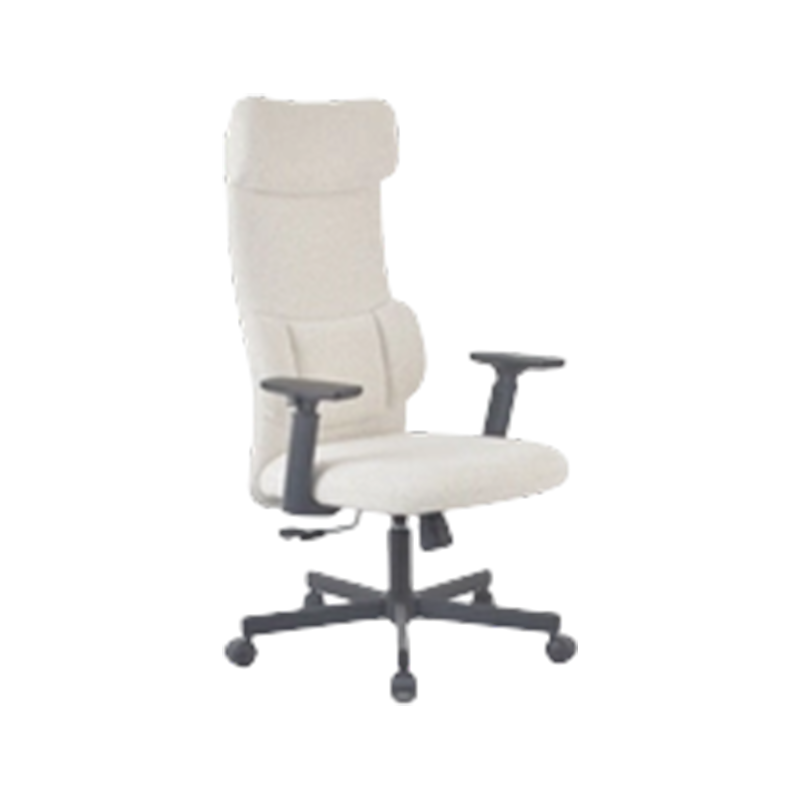
Premium LAKE-120 Woven Fabric Chair With White Accents And High Adjustable Range
-
Hi-Tech PU Upholstered Mid-Back Task Chair With Loop Arms And Butterfly Tilt
-
Weight-Balanced Tilt Fabric Task Chair With PU-Padded Height-Adjustable Arms
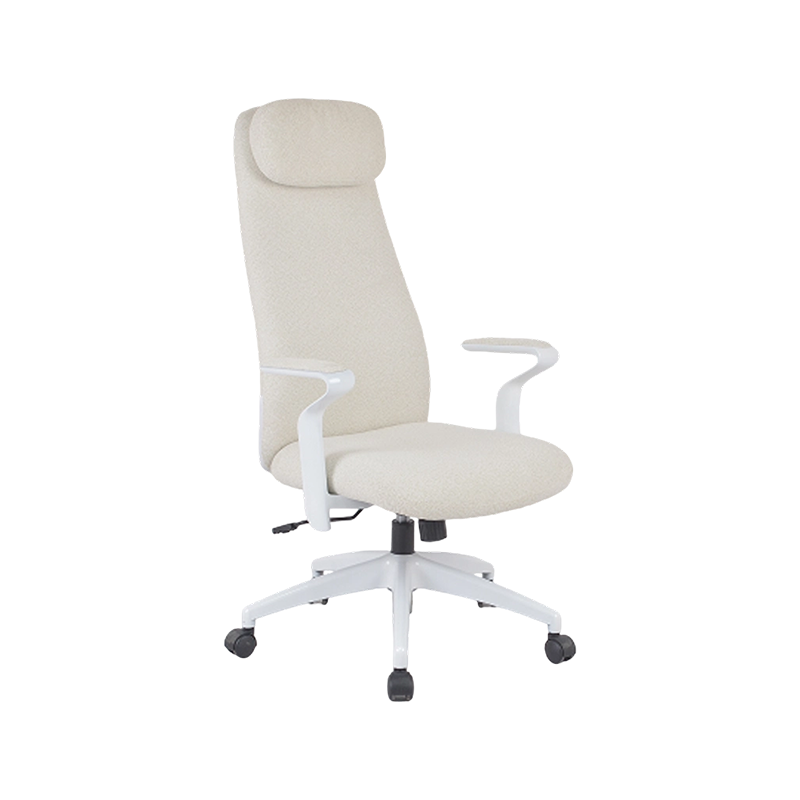
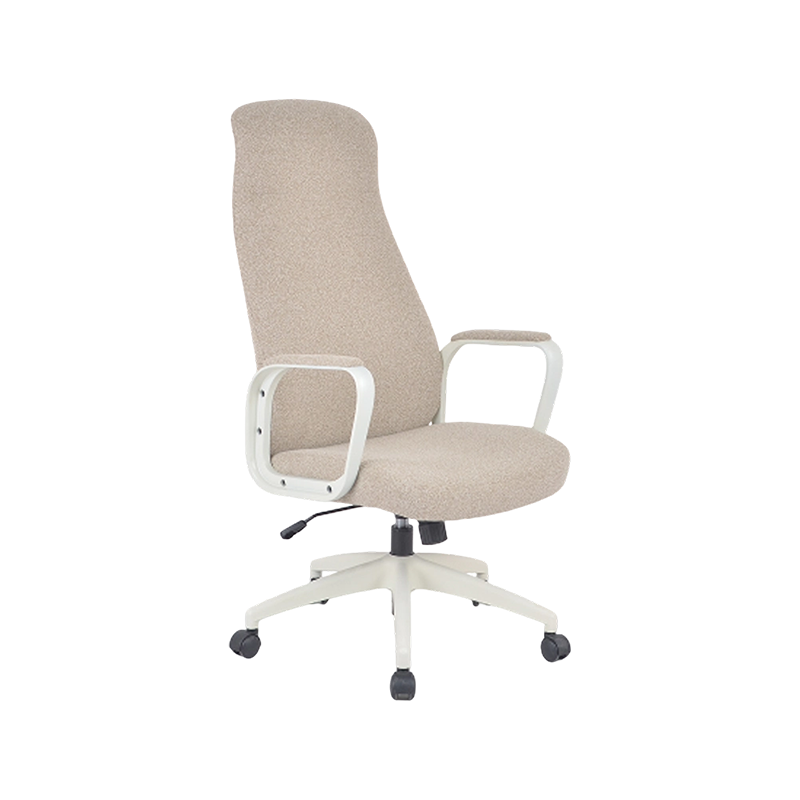
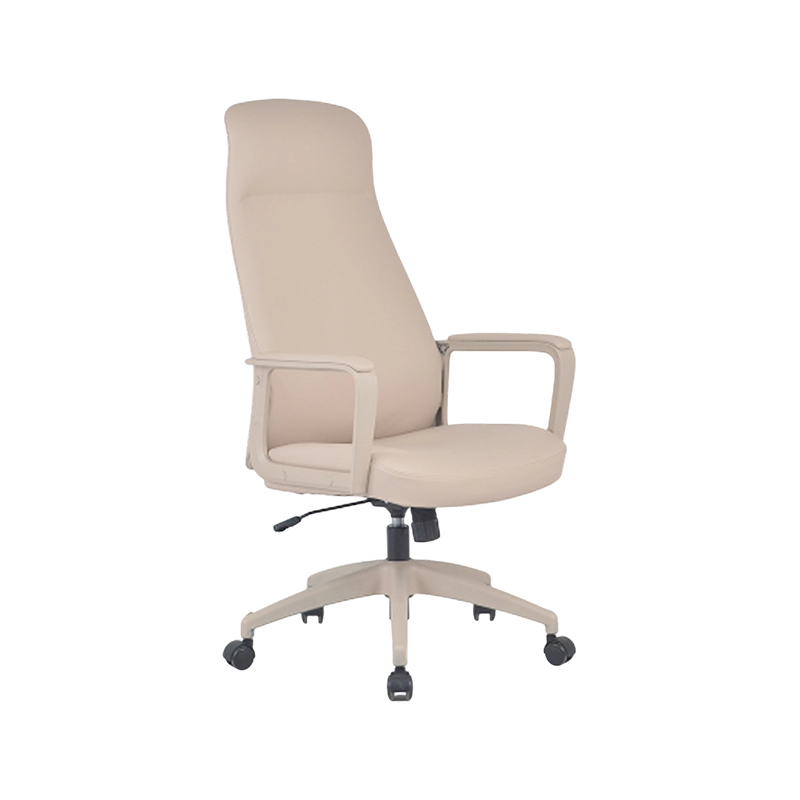
Message Feedback
About Us
Professional Office Furniture Manufacturer
Founded in 2007, Zhejiang HAOGUO Furniture Co., Ltd. is a professional office furniture manufacturer integrating R&D, production, and sales. Office Chair Suppliers and OEM/ODM Office Chair Company in China. The company focuses on the R&D and manufacturing of office chairs, sofas, and other office furniture. Equipped with professional, standardized, and modern production lines, it has an annual production capacity of 2 million pieces. Custom Office Chair. With stable quality and innovative design, the company's products are exported to more than 40 countries and regions worldwide, including Europe, the United States, the Middle East, and Asia, and are highly recognized by customers at home and abroad.
-
30+
Industry Experience
-
260+
Technical Staff
-
68000m2
Factory Area

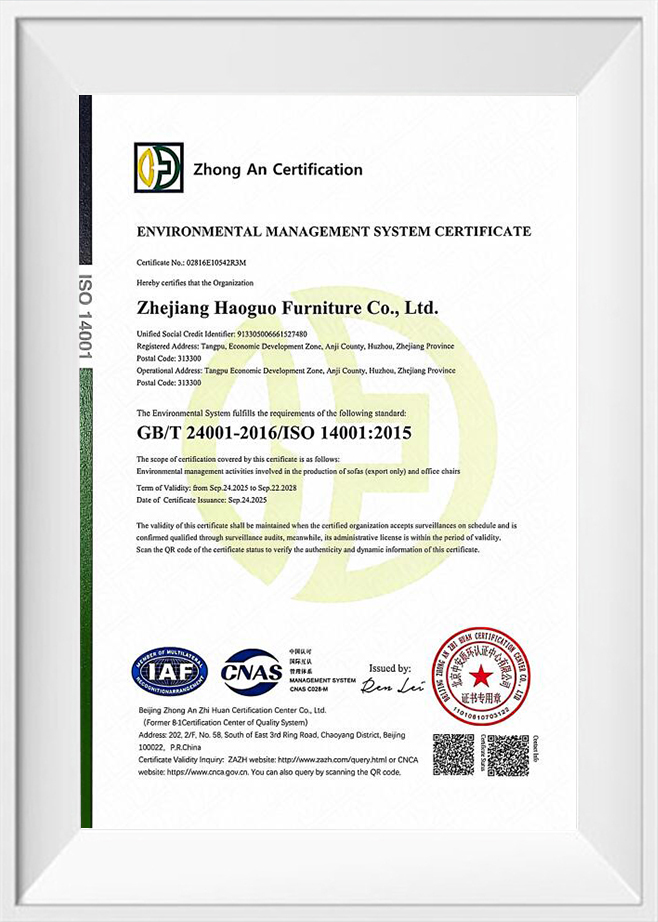
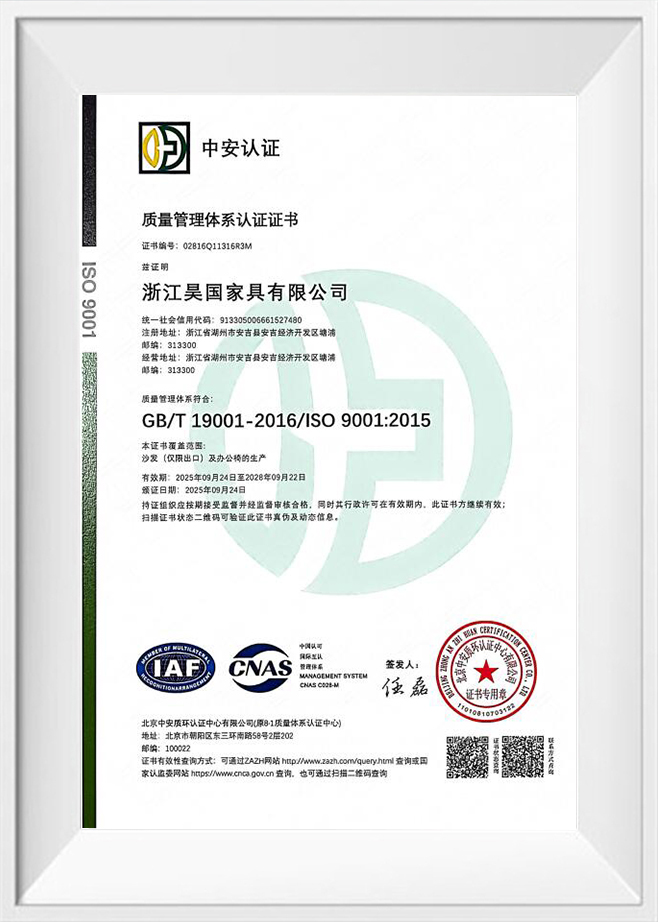
Certificate Of Honor
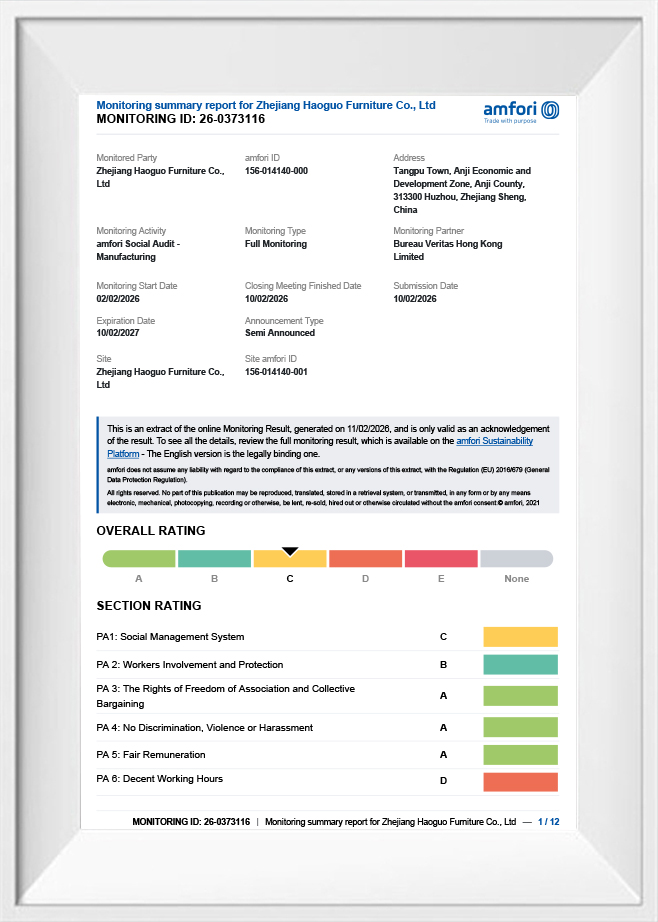
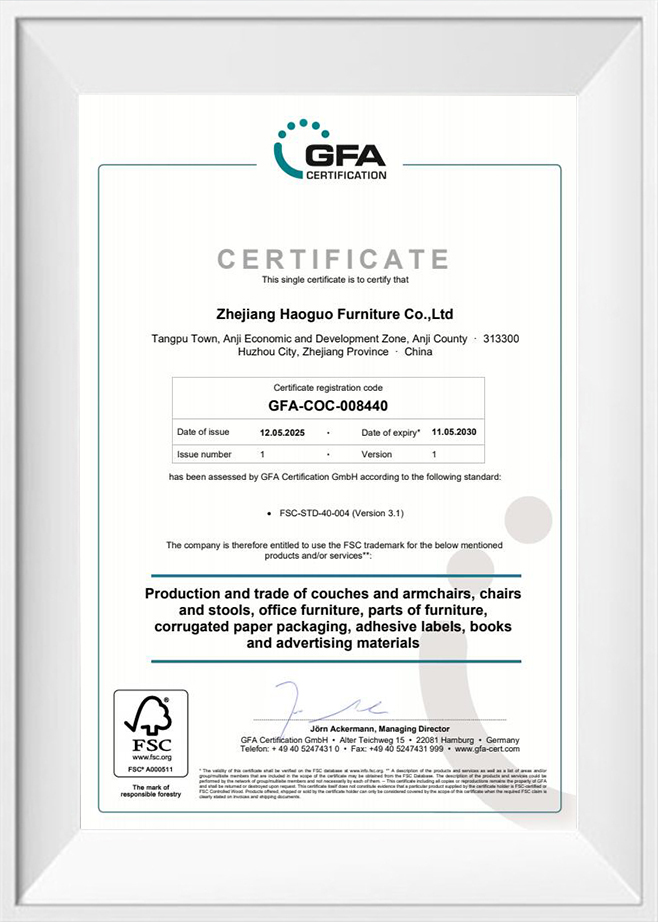
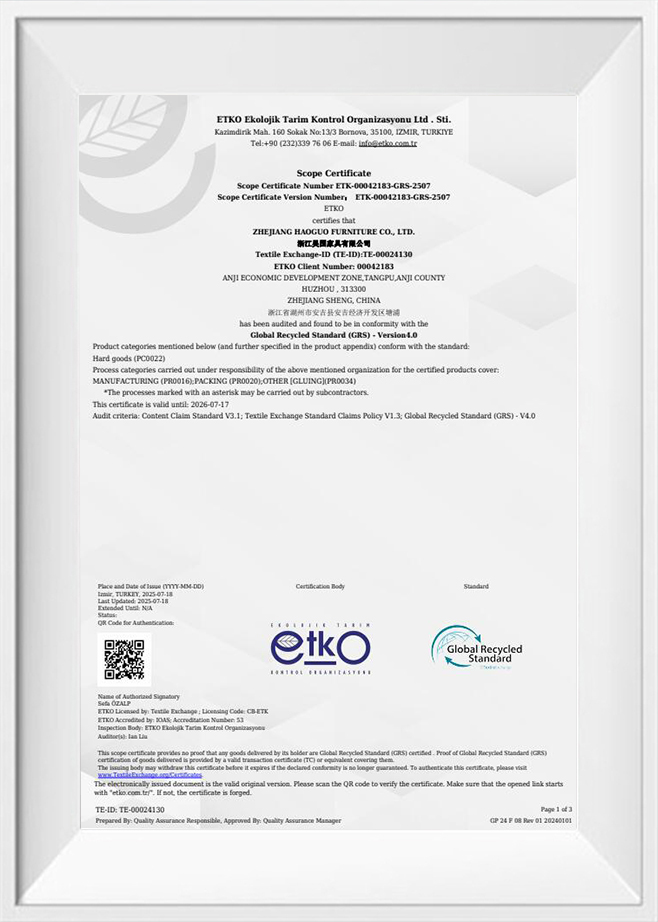
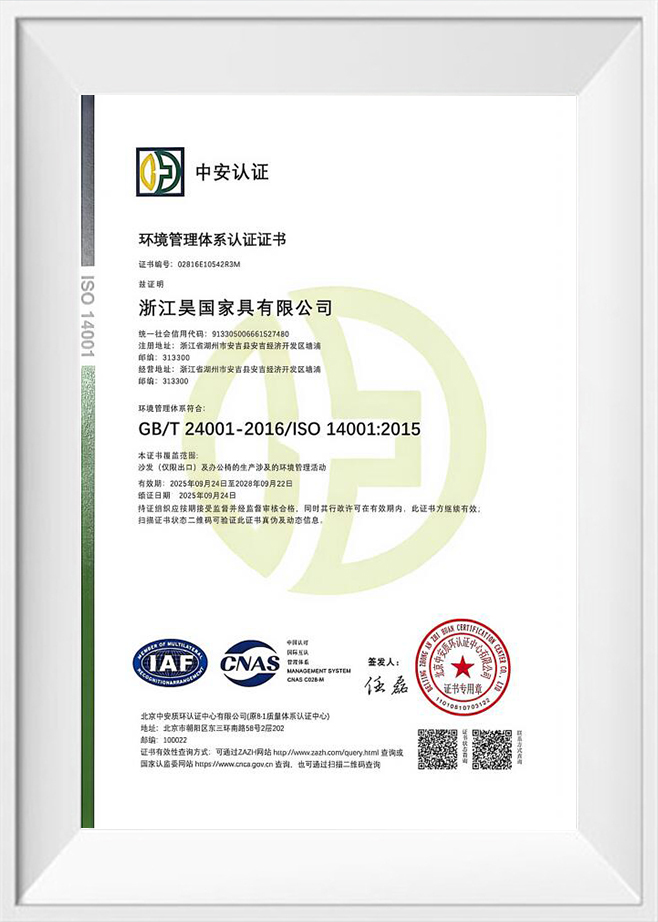
Industry Insights & Updates
Read More
-
2026-08-28Industry News
-
2026-08-19Industry News
-
2026-08-10Industry News
-
2026-08-03Industry News
Industry Knowledge
How Seat Pan Dimensions Affect Posture Across Different Body Types
Seat pan dimensions are one of the most consequential yet overlooked specifications when selecting office chairs for a diverse workforce. Seat width should provide at least one inch of clearance on each side of the hips, which for most adults means a range between 17 and 20 inches. Seat depth — the distance from the front edge to the backrest — is equally critical: when seated fully back, there should be a two-to-four finger gap between the front edge of the seat and the back of the knee. If the seat is too deep, users shift forward to relieve pressure on the back of the thigh, which breaks contact with the lumbar support entirely.
Waterfall seat edges, where the front of the seat pan curves downward rather than ending in a flat or sharp edge, reduce pressure on the femoral artery and improve circulation during extended sitting. This feature is particularly beneficial for shorter users whose feet may not rest flat on the floor at the chair's lowest height setting. Seat pan angle adjustment — typically a forward tilt of 5 to 10 degrees — encourages a more open hip angle, which reduces compression on the lumbar discs and is especially useful for tasks that require leaning toward a desk surface.
Tilt Mechanisms Explained: Differences Between Synchro, Multi-Function, and Free-Float
The tilt mechanism is the mechanical core of an office chair, and different mechanism types produce significantly different movement behaviors during recline. Understanding the distinctions helps specifiers match chair function to actual work patterns rather than defaulting to the most common option.
| Mechanism Type | Movement Behavior | Best Suited For |
| Single-Point Tilt | Seat and back move together as one unit | Budget or occasional-use seating |
| Synchro Tilt | Back reclines at 2:1 ratio to seat angle | General office work, 6–8 hr daily use |
| Multi-Function | Seat and back tilt independently | Users with specific posture requirements |
| Free-Float / Dynamic | Continuous response to body movement | Active sitters, collaborative environments |
Synchro tilt is the most widely specified mechanism for commercial office environments because it maintains desk-working position while still allowing natural recline. The 2:1 ratio means the backrest moves twice as far as the seat during recline, keeping the thighs roughly horizontal and preventing the user from sliding forward. Tilt tension adjustment — which controls how much resistance the recline offers — should be calibrated to the user's body weight. A mechanism with no tension adjustment forces lighter users to choose between fully upright or fully reclined, with no comfortable intermediate position.
Gas Cylinder Ratings and What They Mean for Chair Safety
The pneumatic gas cylinder — also called the gas lift or height adjustment cylinder — is a pressurized component that affects both user safety and daily functionality. Cylinders are graded by load class according to the BIFMA and EN 1335 standards, with Class 3 and Class 4 being the most common in commercial seating. A Class 3 cylinder is rated for users up to approximately 250 lbs, while a Class 4 cylinder supports heavier users and also offers a longer stroke length, typically providing an additional 1 to 1.5 inches of height range compared to Class 3.
Height drift — where a chair slowly sinks during use — is the most common symptom of cylinder wear and indicates that the internal nitrogen seal has degraded. This is a maintenance issue, not a design defect, and cylinders are generally field-replaceable without specialized tools. However, substituting a lower-rated or uncertified aftermarket cylinder to reduce replacement cost introduces real safety risk: an undersized cylinder can fail suddenly under peak load, particularly during the dynamic impact of sitting down. For commercial procurement, specifying chairs from manufacturers that use cylinders certified to BIFMA X5.1 or EN 1335 Class 4 provides a documented safety baseline.
Specifying Office Chairs for Shift-Work and Hot-Desking Environments
Offices operating on shift schedules or hot-desking arrangements place very different demands on seating than single-user workstations. A chair used by multiple people daily must reset intuitively — meaning any user should be able to correctly configure it within 30 seconds without reading instructions. Chairs with excessive adjustment options and unintuitive controls tend to be left in the position the last user set them, defeating the ergonomic purpose entirely. For these environments, prioritize chairs with clearly labeled, single-action controls for the most essential adjustments: seat height, tilt lock, and lumbar position.
Durability specifications should also be elevated for multi-user environments. BIFMA X5.1 standard tests call for 100,000 seat drop cycles for standard seating, but chairs in 24-hour shift environments may accumulate that usage in far less than the expected service life. Some manufacturers offer chairs tested to 150,000 or 200,000 cycles specifically for high-frequency use. Upholstery choice matters here too — breathable mesh or commercial-grade fabric outperforms foam-padded leather in shared-use settings because it is less susceptible to heat retention and skin-contact wear patterns.
The Structural Difference Between Mesh Backs and Upholstered Backs
Mesh backrests and upholstered backrests serve different functional roles, and the choice between them involves trade-offs in support profile, durability, and thermal comfort. A mesh back suspends the user's weight across a tensioned fabric structure, distributing pressure more evenly than a rigid foam-and-fabric panel. The elasticity of the mesh allows the backrest to conform slightly to the user's spine shape, which can provide effective passive lumbar support without requiring mechanical adjustment. However, the tension of the mesh must be matched to the user's weight — a mesh tuned for heavier users will feel like a rigid wall for lighter ones, and vice versa.
Upholstered backrests with contoured foam give designers more precise control over lumbar curve depth and location, which is why they remain the dominant choice in chairs targeting users with specific back support needs. Foam also deadens vibration more effectively than mesh, making upholstered chairs preferable in environments with floor-transmitted vibration such as manufacturing-adjacent offices. One practical durability note: mesh backrests are not uniformly repairable — a small tear in a knit mesh panel typically requires full backrest replacement, whereas upholstered panels can often be re-covered. When evaluating total cost of ownership, the availability and cost of replacement backrests should be factored into the procurement decision.
How Armrest Design Influences Shoulder and Neck Fatigue
Armrests are frequently underspecified in office chair procurement, yet poorly configured armrests are a direct contributor to trapezius and neck muscle fatigue. The primary function of armrests is to offload the weight of the arms from the shoulder girdle, which supports approximately 10–12 lbs of combined arm weight continuously during unsupported sitting. When armrests are set too high, users are forced to shrug slightly to accommodate them, creating sustained contraction of the upper trapezius muscle. When set too low, users lean to one side to gain support, introducing asymmetric spinal loading.
Key Armrest Adjustments and Their Ergonomic Purpose
- Height: Forearms should rest parallel to the floor with shoulders relaxed. Correct height is typically elbow height when seated, which varies by user and desk surface height.
- Width (inward/outward): Allows the armrests to align with the natural drop of the arms. Narrow-shoulder users benefit from inward adjustment to prevent lateral reach and asymmetric loading.
- Depth (forward/backward): Positions the armrest pad under the forearm during keyboard use, preventing unsupported reach that strains the anterior deltoid.
- Pivot (rotation): Allows the pad surface to angle inward, supporting a more neutral wrist position during extended typing or mouse use.
Armrest pad material is a secondary but relevant consideration. Hard plastic pads create localized pressure on the ulnar nerve at the elbow with extended resting, which can cause tingling in the ring and little fingers. Polyurethane or memory foam padded surfaces distribute contact pressure more evenly and are strongly preferred for users who rest their elbows on armrests for prolonged periods.
Caster Selection Based on Floor Type and Load
Casters are the most mechanically stressed component in an office chair's daily operation, yet they receive minimal attention in most procurement specifications. The core selection variable is wheel hardness relative to floor surface: hard nylon casters (typically 60–65 Shore D) roll efficiently on carpet but will scratch and dent hardwood, LVT, polished concrete, and other hard floors over time. Soft polyurethane casters (75–85 Shore A) are the correct choice for hard flooring, providing enough compliance to absorb surface imperfections without marking the floor.
Caster stem size is the mechanical specification most frequently overlooked in replacement scenarios. The two dominant stem standards are the 7/16-inch grip ring stem (used in most North American commercial chairs) and the 10mm or 11mm metric stem used in European designs. Substituting the wrong stem diameter creates play in the socket, which accelerates wear of both the caster and the chair base housing. Weight-rated casters are also available for bariatric applications — standard 50mm casters are typically rated for a total chair load of 250 lbs, while 60mm or 65mm casters extend this range to 400 lbs and above. Specifying the correct load-rated caster for heavy-duty applications is both a safety and a maintenance cost issue, since standard casters fail faster under elevated loads even before reaching their rated limit.
Understanding BIFMA and EN 1335 Test Standards for Procurement Decisions
Third-party certification against recognized test standards is the most reliable tool buyers have for comparing chair durability across manufacturers. BIFMA X5.1 (for seating) and EN 1335 (the European equivalent) each define a battery of tests that simulate years of use under defined load conditions. Knowing what each test actually evaluates allows procurement teams to ask better questions and identify whether certifications are meaningful or purely nominal.
- Seat Drop Test: A specified weight is dropped onto the seat pan from a set height, repeated 100,000 times. This simulates the cumulative impact of users sitting down and tests foam resilience and frame integrity simultaneously.
- Back Durability Test: A cyclic horizontal load is applied to the backrest at a defined height and force for 100,000 cycles. This tests backrest frame attachment, pivot points, and the structural integrity of the tilt mechanism housing.
- Armrest Strength Test: A downward and forward load is applied to the armrest to test the bracket's resistance to bending and detachment under user weight-bearing.
- Base Stability Test: The chair is loaded and tilted on a slope to verify it does not tip under conditions that simulate a user leaning to reach across a desk.
- Caster and Glide Test: Casters are rolled a defined distance under load to test bearing wear and wheel degradation over time.
When reviewing product documentation, the distinction between "designed to meet" and "tested and certified to" is significant. Self-declared compliance means the manufacturer has reviewed the standard and believes their product meets it — but no independent laboratory has verified this. Third-party certification from an accredited test body such as SGS, Intertek, or TÜV indicates that physical samples were tested and passed. For commercial procurement above a certain scale, requesting the actual test report rather than just the certificate number provides a much clearer picture of the chair's actual performance margins.

- Mobile
- Contact Us
-
-
+86-139 0582 1355

-
alan@haoguofurniture.com

-
Approximately 210 meters south of the intersection of Le San Road and Sanwanqiao Road in Anji County, Huzhou City, Zhejiang Province, China

-
Copyright ©
Zhejiang HAOGUO Furniture Co., Ltd.
Rights Reserved.
 Custom Office Chair Office Chair Company
