


 English
  Español
  عربى
عربى
product
product
product
product
product
product
product
product
product
product
product
product
product
product
product
product

Product Series
Product Category
Contact us
Leather Office Chair Manufacturers
-
High Back Leather Office Chair
-
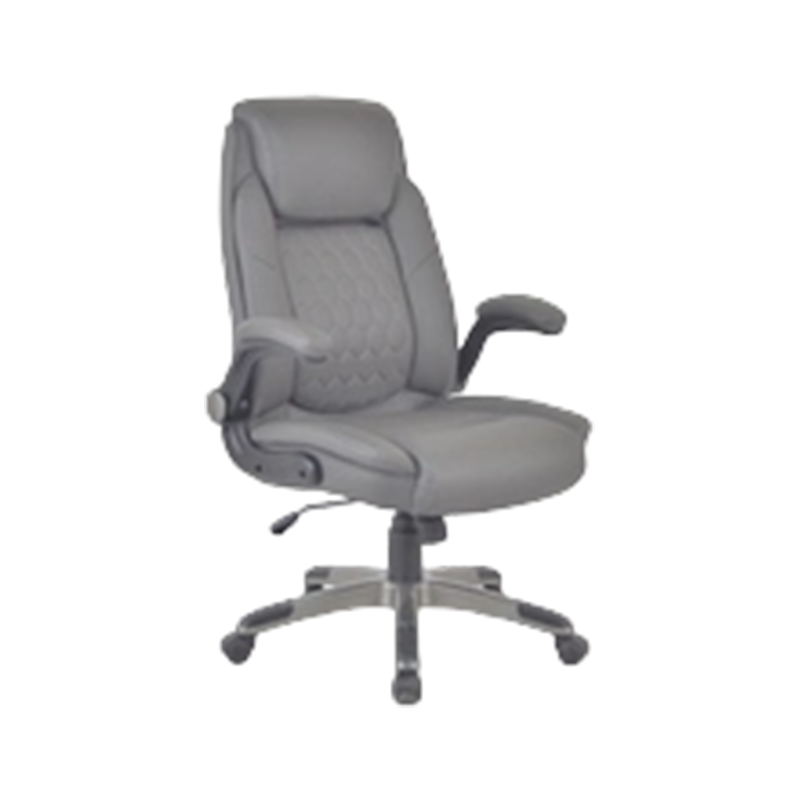
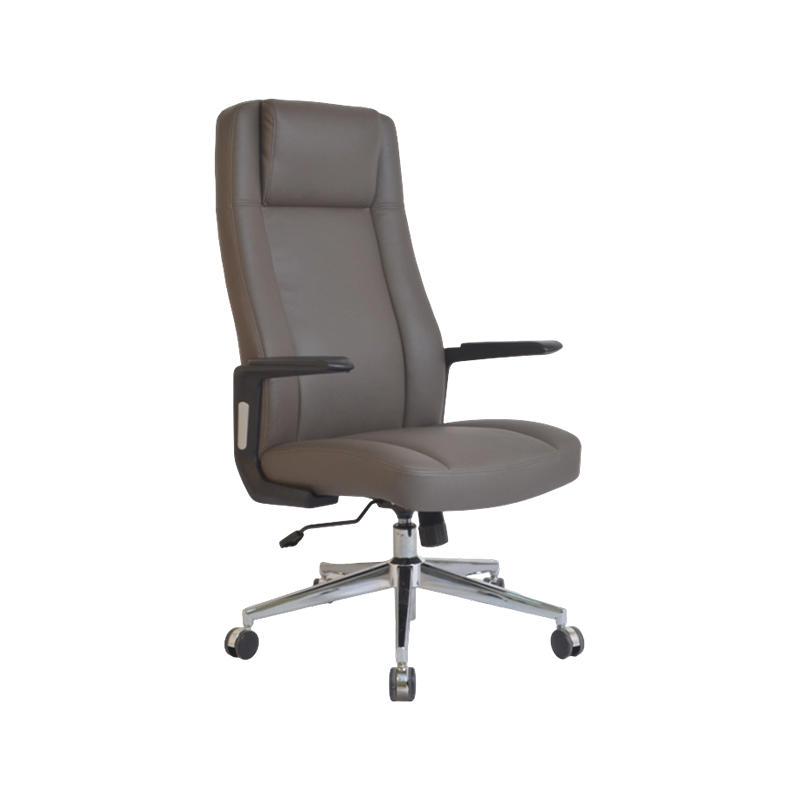
Executive Flip-Arm Breathable Leather Office Chair With Height Adjustment
-
Dual-Lever Reclining Hi-Tech PU Executive Chair With Chrome Star Base
-
Wide-Range Adjustable Reclining PU Chair With Padded Arms And Chrome Base
-
Adjustable Multi-Angle Lumbar Support Chair With Flip-Up Arms And Mesh Back
-
Breathable Synthetic Leather Padded Loop-Arm Task Chair With Butterfly Seat
-
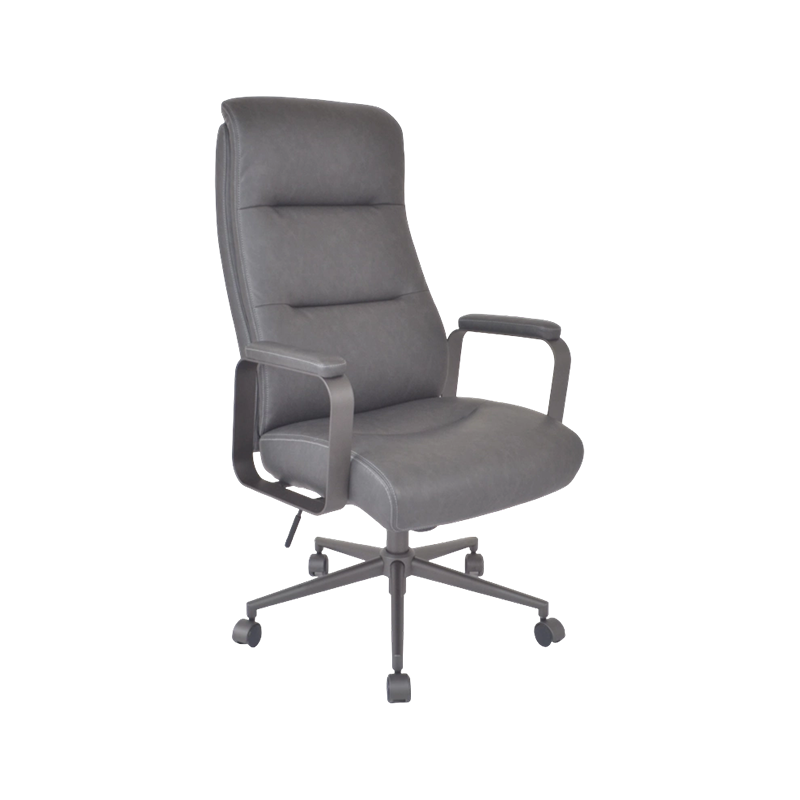
Tall-Back Bonded Leather Executive Chair With Vintage Painted Steel Base
-
Scratch-Resistant PU Task Chair With Fixed Padded Steel Armrests
-
Pocket Spring Seat Hi-Tech PU Executive Chair With Chrome Accents
-
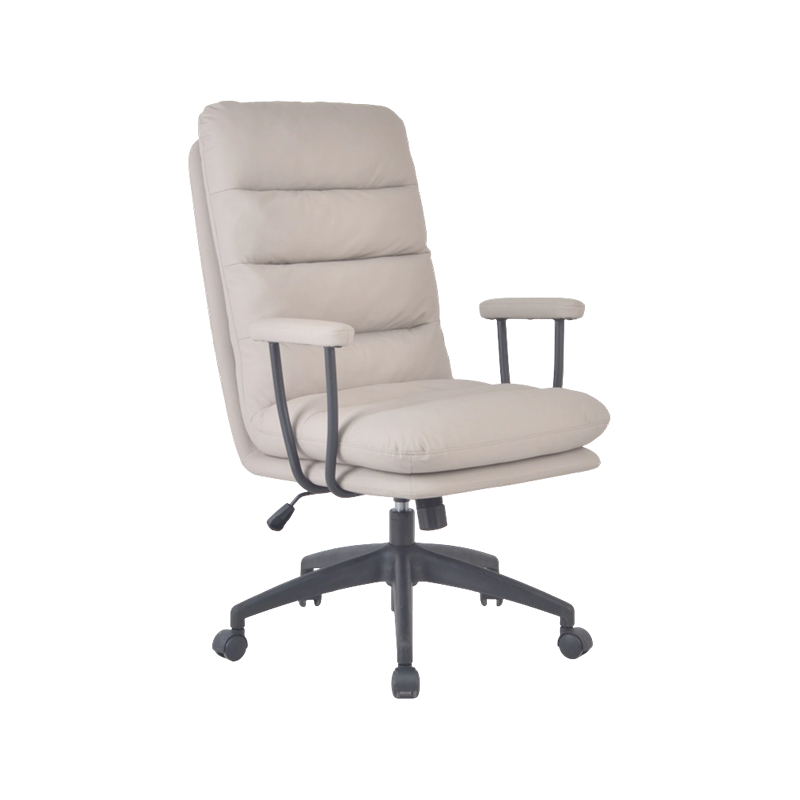
Two-Tone Fabric & PU Office Chair with Height-Adjustable Padded Armrests
-
Wide-Seat Scratch-Resistant PU Chair With Knock-Down Single-Leg Nylon Base
-
Chrome Frame High-Tech PU Executive Chair With Wide Deep Seat And Chrome Castors
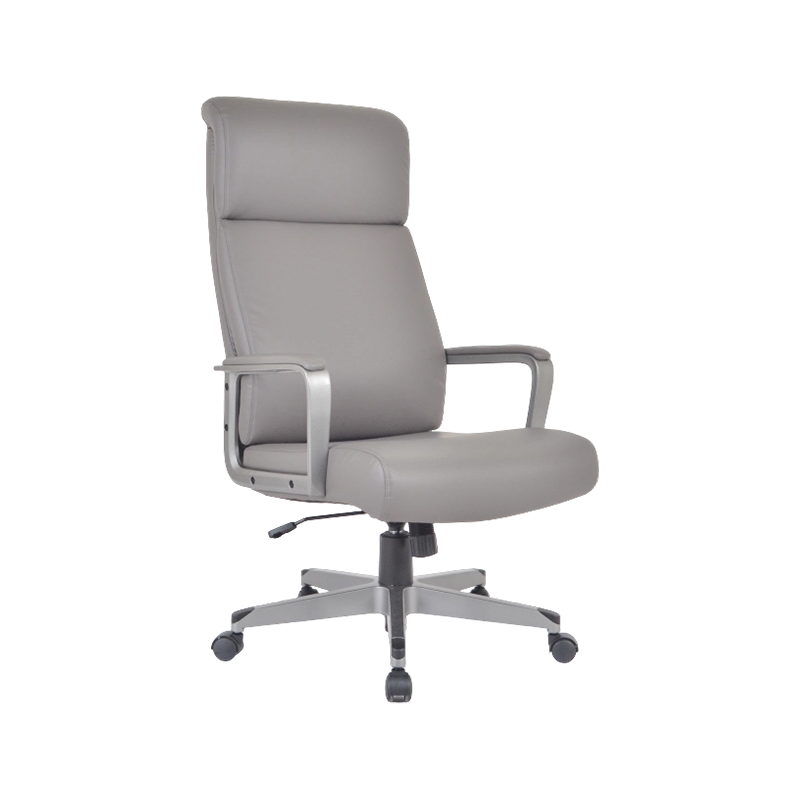
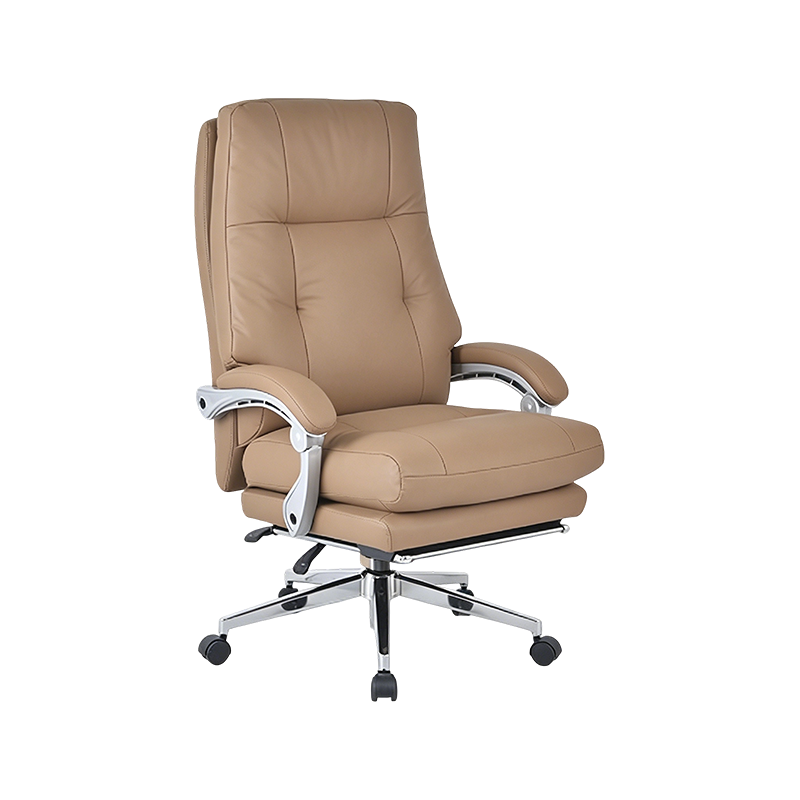
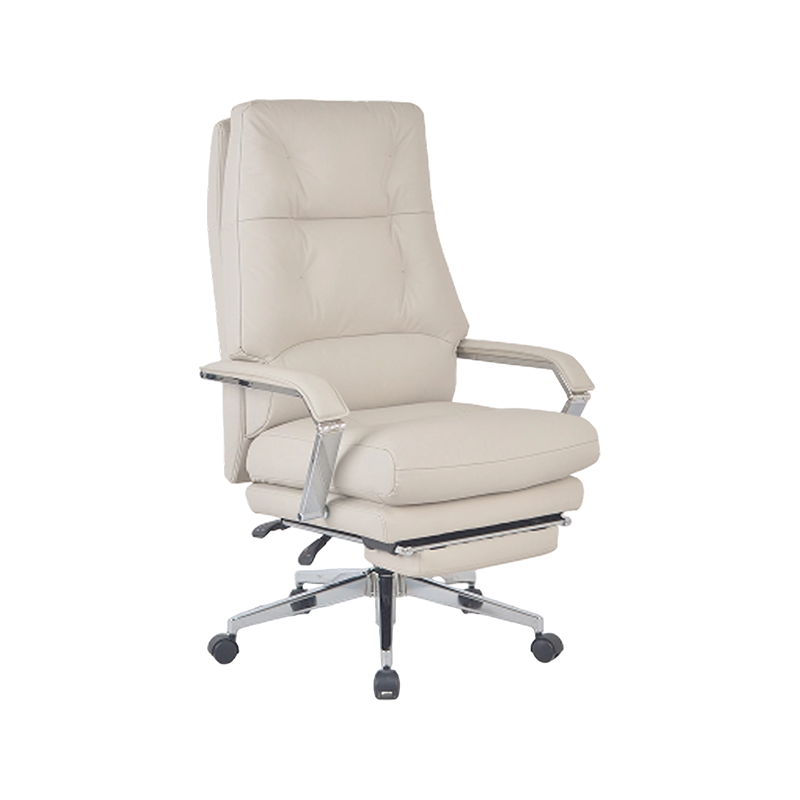
Message Feedback
About Us
Professional Office Furniture Manufacturer
Founded in 2007, Zhejiang HAOGUO Furniture Co., Ltd. is a professional office furniture manufacturer integrating R&D, production, and sales. OEM Leather Office Chair Manufacturers and Leather Office Chairs Factory in China. The company focuses on the R&D and manufacturing of office chairs, sofas, and other office furniture. Equipped with professional, standardized, and modern production lines, it has an annual production capacity of 2 million pieces. Wholesale Leather Office Chairs. With stable quality and innovative design, the company's products are exported to more than 40 countries and regions worldwide, including Europe, the United States, the Middle East, and Asia, and are highly recognized by customers at home and abroad.
-
30+
Industry Experience
-
260+
Technical Staff
-
68000m2
Factory Area

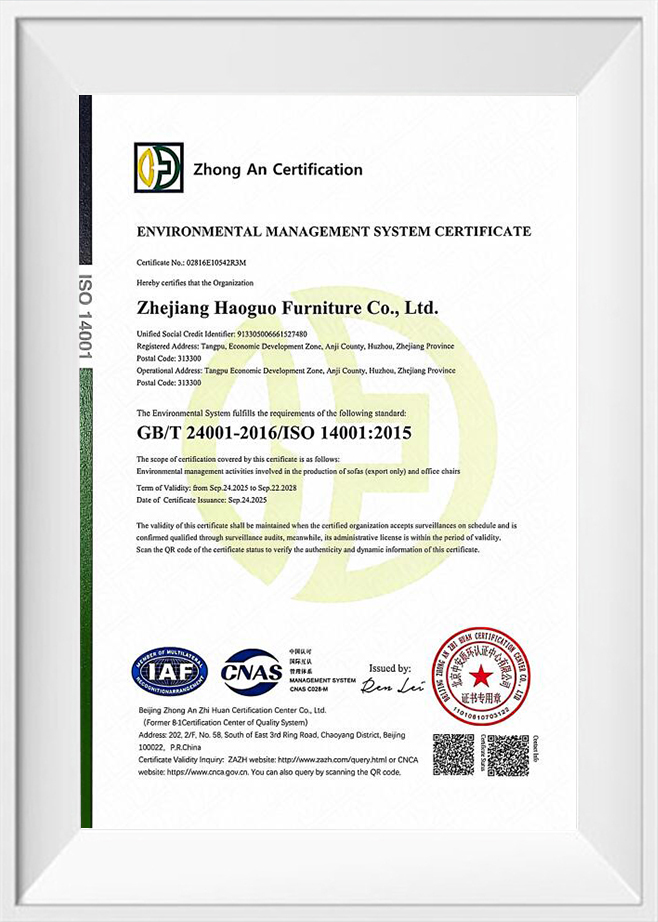
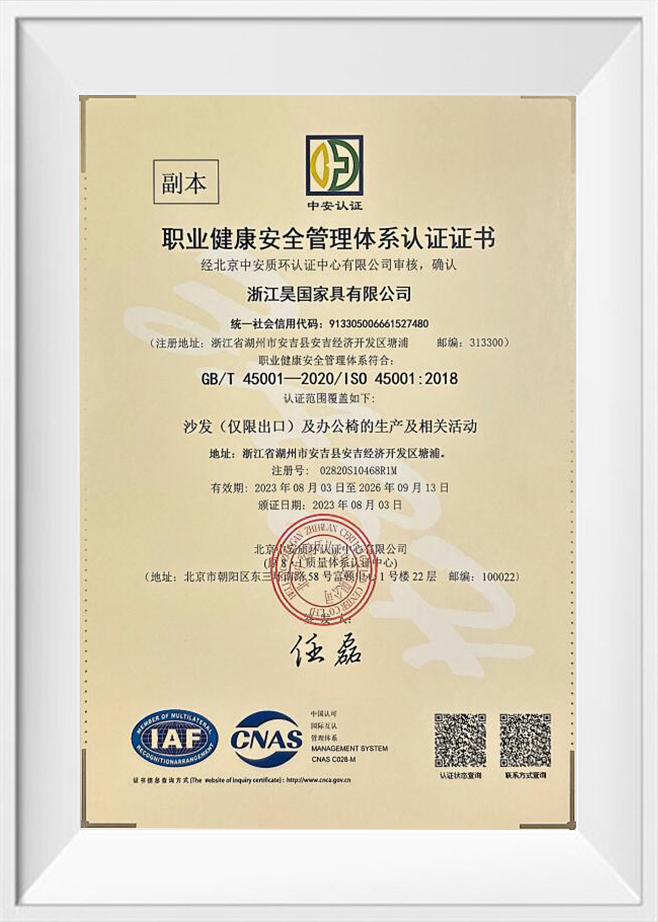
Certificate Of Honor
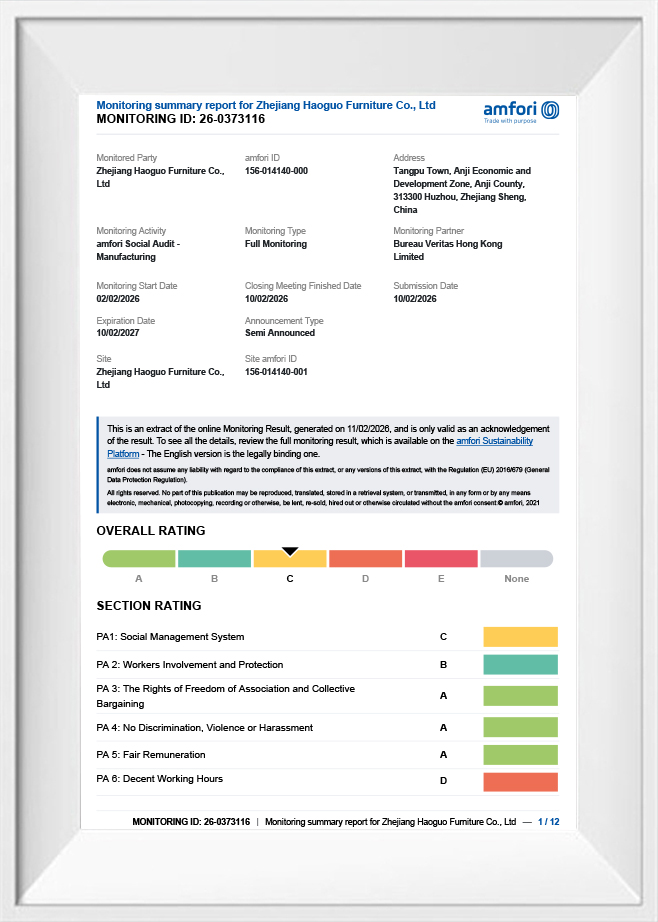
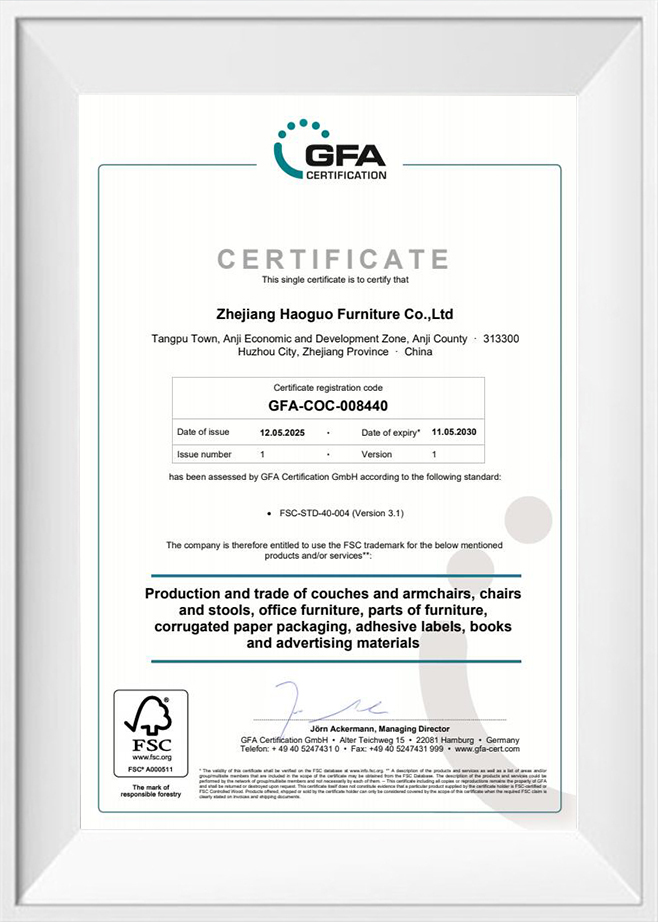
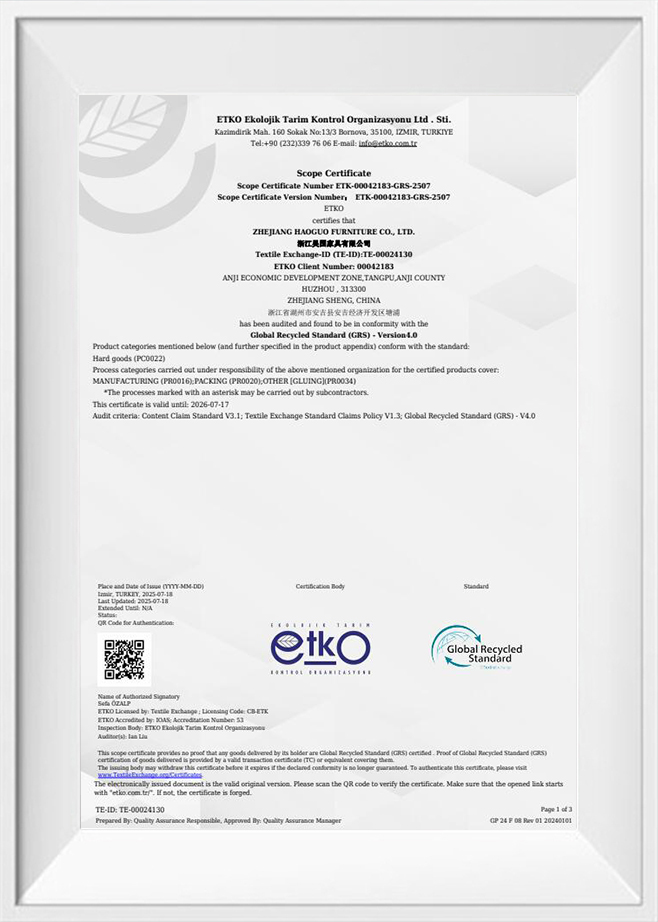
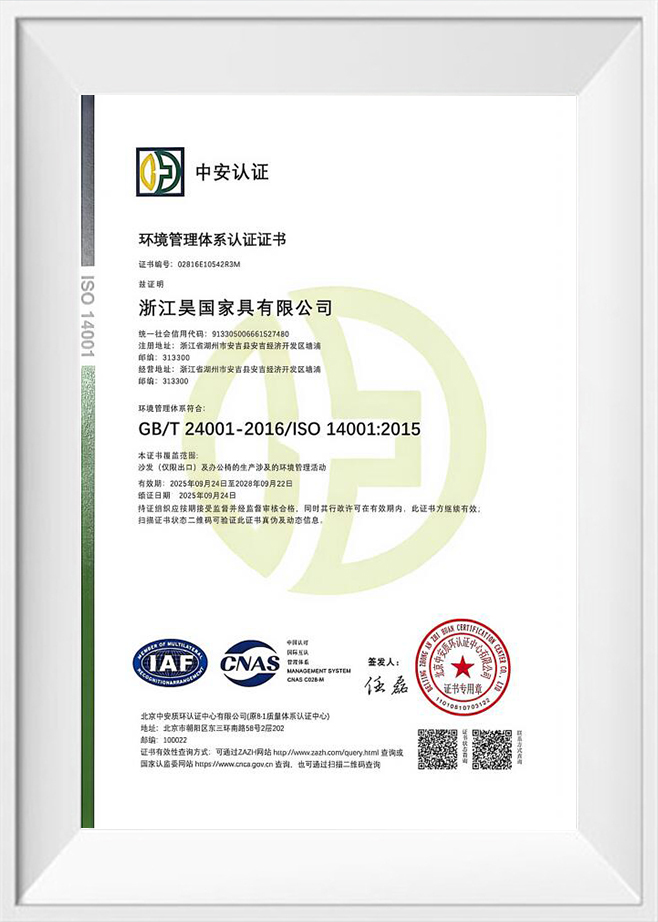
Industry Insights & Updates
Read More
-
2026-07-13Industry News
-
2026-07-06Industry News
-
2026-07-01Industry News
Industry Knowledge
How Leather Type Affects Long-Term Comfort and Durability
Not all leather used in office chairs performs the same way over time, and the distinction goes far beyond price. Full-grain leather retains the natural surface of the hide, including its pores and imperfections, which allows it to breathe and develop a patina with use. This type ages well in low-to-medium humidity environments but requires periodic conditioning to prevent cracking. Top-grain leather has been sanded and refinished, making it more uniform in appearance and slightly more resistant to staining, though it loses some breathability. Split leather, derived from the lower layers of the hide, is less durable and tends to peel after extended use, especially in high-contact areas like the seat pan and armrests.
Bonded leather, made from leather scraps and fibers bonded with polyurethane, is frequently used in entry-level office chairs. It mimics the look of genuine leather initially but deteriorates significantly faster — often beginning to flake within two to four years of daily use. For environments where chairs are used eight or more hours per day, full-grain or top-grain leather is the more cost-effective long-term investment despite the higher upfront cost.
Understanding Ergonomic Adjustability in Leather Executive Chairs
Leather office chairs marketed as "executive" or "managerial" often prioritize aesthetics over ergonomic function, but the best models integrate both. The key ergonomic features to evaluate are lumbar support depth and height adjustability, seat depth, armrest configurability, and tilt tension control. A fixed lumbar pad — even a generously cushioned one — cannot accommodate users of different torso lengths, which leads to lower back strain during extended sessions.
Seat depth adjustment is especially important for taller or shorter users. A seat pan that is too deep causes the user to slide forward and lose contact with the backrest, negating any lumbar support the chair provides. The recommended range of seat depth adjustment is typically between 16 and 20 inches. For armrests, 4D adjustability (height, width, depth, and pivot) is the current standard in professional-grade chairs, allowing users to support their forearms in a neutral position regardless of task type.
| Feature | Basic Range | Professional Range |
| Seat Height | 17–20 in | 16–22 in |
| Seat Depth Adjustment | Fixed | 2–4 in range |
| Lumbar Support | Fixed pad | Height + depth adjustable |
| Armrest Type | 1D or 2D | 4D |
| Tilt Lock Positions | 1–2 | 3–5 or infinite |
The Role of Frame Materials in Chair Weight Capacity and Longevity
The internal frame of a leather office chair is rarely visible but plays a decisive role in the chair's load-bearing capacity, stability, and service life. Steel frames are the industry standard for commercial-grade chairs, offering high tensile strength and resistance to deformation under repeated load cycles. Aluminum alloy frames, while lighter and corrosion-resistant, are typically reserved for the base and armrest brackets rather than the seat pan or backrest shell. Chairs with polypropylene or reinforced nylon frames can support moderate weight but are generally not suitable for users over 250 lbs or for high-frequency use environments.
The five-star base is another structural component worth evaluating. A base made from die-cast aluminum handles lateral stress better than one made from glass-filled nylon, particularly for users who frequently shift position or use the chair on uneven flooring. The wheel casters should match the floor type — soft rubber casters for hard floors, and harder nylon casters for carpeted surfaces — to prevent unnecessary wear to both the casters and the flooring.
Climate Considerations When Specifying Leather Chairs for Office Projects
Leather behaves differently depending on ambient temperature and humidity, which has real implications for large office procurement decisions. In dry climates or heavily air-conditioned environments, natural leather tends to lose moisture faster, making regular conditioning with a pH-neutral leather cream a maintenance necessity rather than a recommendation. In humid tropical climates, untreated leather is susceptible to mold growth within the stitching and foam padding, particularly when chairs are unused for extended periods.
For office projects in high-humidity regions, chairs with microfiber-backed leather or PU-coated leather surfaces offer better moisture resistance without fully sacrificing the visual quality of genuine leather. Some manufacturers also offer ventilated leather options, where small perforations are laser-cut into the seating surface to improve airflow and reduce heat buildup — a meaningful functional difference for users seated more than four hours a day in warm offices without adequate ventilation.
What Certifications Actually Mean for Office Chair Safety and Quality
Certification standards for office chairs vary significantly by market, and understanding what each certification tests helps buyers make better procurement decisions. The most rigorous widely recognized standards are BIFMA (Business and Institutional Furniture Manufacturers Association) in North America and EN 1335 in Europe. BIFMA X5.1 tests specifically for seating durability, including seat drop testing, armrest strength, and backrest cycle testing under defined load conditions. EN 1335 additionally specifies dimensional requirements for seating suitable for office work, which is relevant when procuring chairs for workplaces subject to occupational health regulations.
- BIFMA X5.1: Tests durability of seating components including seat drop cycles (typically 100,000+), back durability, and armrest load resistance. Relevant for North American commercial procurement.
- EN 1335: European standard covering dimensional suitability, stability, strength, and durability. Mandatory for chairs marketed as office seating in the EU.
- GREENGUARD Gold: Tests for chemical emissions including VOCs from foam, adhesives, and leather treatments. Particularly relevant for offices with sensitive populations or LEED certification goals.
- ISO 9001: A manufacturing quality management certification — it does not test the product directly but indicates the manufacturer has documented quality control processes in place.
Buyers should be cautious of certifications cited in product listings without a corresponding certificate number or third-party verification. Self-declared compliance is common in lower-cost market segments and does not carry the same reliability as independently audited certification.
Density and Foam Composition Behind the Leather Upholstery
The leather covering of an office chair is only as comfortable as the foam beneath it, yet foam specifications are rarely disclosed in product listings. Foam density is measured in pounds per cubic foot (PCF) or kilograms per cubic meter, and higher density generally correlates with better durability — a seat foam at 1.8 PCF will compress and deform significantly faster than one at 2.5 PCF under daily use. Independent of density, foam ILD (Indentation Load Deflection) measures firmness: a low ILD gives a soft, plush feel, while a higher ILD provides firmer support. For all-day seating, a medium-firm ILD in the range of 35–45 is generally recommended for the seat pan.
Some premium leather chairs use high-resilience (HR) foam or memory foam in combination layers. HR foam returns to its original shape quickly after compression, making it well-suited for shared-use or hot-desking environments. Memory foam contours to the user's body over time but retains heat and recovers slowly, which can create discomfort in warm conditions. A layered approach — with an HR foam base and a thin memory foam top layer — balances both responsiveness and contouring without the thermal drawback of a solid memory foam seat.
Maintenance Practices That Extend the Life of Leather Office Chairs
Preventive maintenance for leather office chairs is straightforward but often neglected in office environments. The most damaging common practices are cleaning with alcohol-based wipes, leaving chairs in direct sunlight near windows, and allowing spills to dry without treatment. Alcohol strips the natural oils from leather, accelerating surface cracking, while UV exposure causes pigment fading and surface degradation even on treated leather. Spills that dry and are not treated can leave mineral deposits or staining agents that penetrate beyond the surface layer.
Recommended Maintenance Schedule
- Weekly: Wipe surfaces with a dry or lightly damp microfiber cloth to remove dust, skin oils, and light debris. Do not use paper towels, which can abrade the leather surface over time.
- Monthly: Apply a pH-neutral leather conditioner to the seat, backrest, and armrests. Avoid over-application — a thin, even coat allowed to absorb for 10–15 minutes is more effective than a heavy application.
- Quarterly: Inspect and tighten all mechanical fasteners including armrest bolts, tilt mechanism screws, and the gas lift attachment. Loose fasteners are a leading cause of premature frame failure.
- Annually: Lubricate the tilt mechanism pivot points and caster axles with a dry lubricant spray. Check the gas cylinder for any sign of height drift, which indicates internal seal wear.
For office environments with multiple chairs, establishing a simple maintenance log for each chair makes it easier to track when conditioning or mechanical service is due, and to identify chairs approaching end-of-life before they become a safety concern.

- Mobile
- Contact Us
-
-
+86-139 0582 1355

-
alan@haoguofurniture.com

-
Approximately 210 meters south of the intersection of Le San Road and Sanwanqiao Road in Anji County, Huzhou City, Zhejiang Province, China

-
Copyright ©
Zhejiang HAOGUO Furniture Co., Ltd.
Rights Reserved.
 Leather Office Chairs Factory Leather Office Chairs Wholesale Suppliers
