


 English
  Español
  عربى
عربى
What Should You Know Before Sourcing Accent Chairs for Your Space?
What Should You Know Before Sourcing Accent Chairs for Your Space?
What Should You Know Before Sourcing Accent Chairs for Your Space?
What Should You Know Before Sourcing Accent Chairs for Your Space?
What Should You Know Before Sourcing Accent Chairs for Your Space?
What Should You Know Before Sourcing Accent Chairs for Your Space?
What Should You Know Before Sourcing Accent Chairs for Your Space?
What Should You Know Before Sourcing Accent Chairs for Your Space?
What Should You Know Before Sourcing Accent Chairs for Your Space?
What Should You Know Before Sourcing Accent Chairs for Your Space?
What Should You Know Before Sourcing Accent Chairs for Your Space?
What Should You Know Before Sourcing Accent Chairs for Your Space?
What Should You Know Before Sourcing Accent Chairs for Your Space?
What Should You Know Before Sourcing Accent Chairs for Your Space?
What Should You Know Before Sourcing Accent Chairs for Your Space?
What Should You Know Before Sourcing Accent Chairs for Your Space?

Product Category
NEW Category
Contact us
What Should You Know Before Sourcing Accent Chairs for Your Space?
Content
- 1 What Makes an Accent Chair a True Statement Piece
- 2 Construction Details That Define Long-Term Durability
- 3 Weight Capacity and Frame Engineering Explained
- 4 Choosing the Right Silhouette: Barrel vs Curved Designs
- 5 Upholstery Options and Fabric Performance
- 6 Where Accent Chairs Work Best in Commercial and Residential Spaces
- 7 Sourcing Considerations for Retailers and Procurement Teams
What Makes an Accent Chair a True Statement Piece
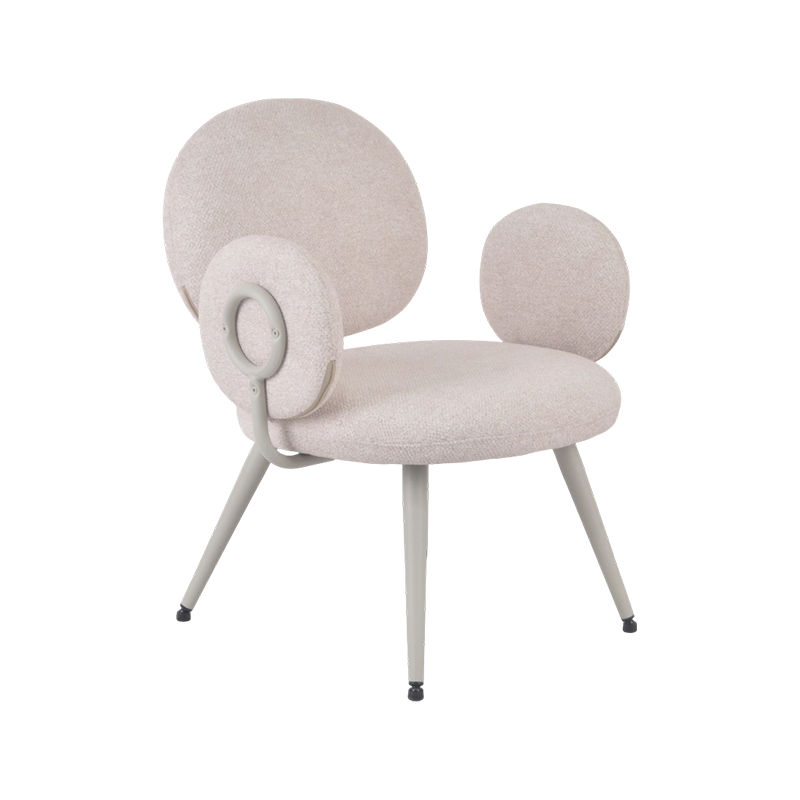
An accent chair is more than an extra seat in a room — it is a design anchor. Unlike sofas or sectionals that blend into a layout, accent chairs are chosen specifically to draw the eye. Their bold, rounded silhouettes, whether barrel-shaped or gently curved, create a sculptural presence that works equally well in a living room corner, a hotel lobby, or a boutique reception area. Because they are single-seat pieces, they carry the visual weight of the room without dominating the floor plan, making them a favorite among interior designers looking for impact without bulk.
Buyers sourcing these pieces for retail or hospitality settings need to understand that the appeal of an accent chair goes beyond aesthetics. Comfort, structural integrity, and material performance all determine whether a chair becomes a long-term favorite or a returned item. This is where construction details, frame engineering, and upholstery choices come into play.
Construction Details That Define Long-Term Durability
The foundation of a well-built accent chair lies in what customers cannot immediately see. High-density foam filling throughout the seat, back, and armrests ensures the chair holds its shape after repeated use, rather than sagging or flattening within months. This is particularly important for commercial applications such as hospitality lobbies or reception areas, where chairs may be used dozens of times a day.
Internal Framing
An internal metal frame supports the foam padding and upholstery, distributing weight evenly across the seat and back. This frame is the primary reason a chair can safely support up to 300 lbs without shifting, creaking, or losing structural alignment over time. For procurement teams evaluating multiple suppliers, frame material and weight rating should always be a top comparison point.
Legs and Floor Protection
Solid wood legs add both stability and warmth to the overall design, contrasting nicely with upholstered curves. Floor-protecting caps fitted to the base of each leg prevent scratches on hardwood, tile, or laminate flooring — a small detail that matters greatly to retailers selling into residential markets where floor damage is a common customer complaint.
Weight Capacity and Frame Engineering Explained
A 300 lb weight capacity is a meaningful benchmark for accent chairs, particularly those intended for public-facing or commercial environments. This capacity is not achieved through padding alone; it depends on the interaction between the metal frame, the wood legs, and the way foam is distributed across stress points like the seat edge and armrest joints.
For buyers comparing products, it helps to ask suppliers specific questions about how weight ratings are tested and what materials are used at load-bearing points. A chair that lists a high weight capacity but uses thin wood dowels or a lightweight frame may not perform consistently over years of daily use.
Choosing the Right Silhouette: Barrel vs Curved Designs
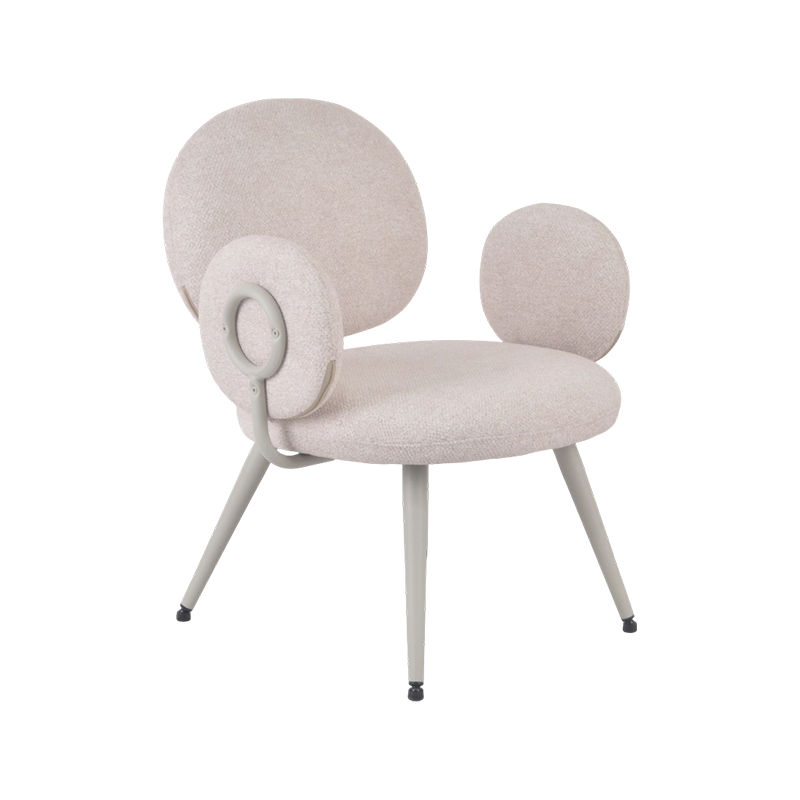
Two silhouettes dominate the accent chair category: barrel-shaped and curved designs. While both share a rounded, sculptural quality, they serve slightly different purposes depending on the space and the mood a designer wants to create.
| Silhouette | Visual Character | Best Use Case |
| Barrel | Enclosed, cocoon-like, symmetrical | Reading nooks, bedrooms, cozy lounges |
| Curved | Open, flowing, softer lines | Living rooms, hotel lobbies, open layouts |
Barrel chairs tend to suit smaller, more intimate spaces where a sense of enclosure feels inviting. Curved designs, on the other hand, often work better in open-concept rooms or commercial settings where sightlines and flow matter more than a cocooned feel.
Upholstery Options and Fabric Performance
Skin-friendly fabric upholstery has become a standard expectation rather than a premium feature. Buyers should evaluate fabric based on three practical factors: comfort against skin, ease of cleaning, and colorfastness under regular use or sunlight exposure.
- Soft-touch woven fabrics that resist pilling over time
- Multiple colorways to match varied interior palettes, from neutral tones to bold statement colors
- Fabric weight and density suited to high-traffic commercial seating
- Consistent dye lots across production runs, especially important for bulk hospitality orders
Color selection also plays a strategic role for retailers. Neutral tones such as beige, gray, or cream tend to sell consistently across residential markets, while bolder hues like emerald or mustard perform well in boutique or design-forward hospitality projects where the chair is meant to stand out.
Where Accent Chairs Work Best in Commercial and Residential Spaces
The oversized, evenly cushioned interior of these chairs allows users to shift posture freely, which is a meaningful advantage in spaces where people sit for extended periods, such as hotel lounges or waiting areas. In residential settings, this same feature makes the chair a comfortable reading spot or a welcoming addition to a bedroom corner.
Living Rooms
Paired with a sofa, an accent chair introduces contrast in shape and color, breaking up a room that might otherwise feel too matched or predictable.
Reception and Hospitality Areas
Durability and weight capacity matter most here, since these chairs see frequent use from a wide range of guests throughout the day.
Bedrooms
A single accent chair in a bedroom corner often becomes a favorite personal space for reading, dressing, or simply relaxing away from the bed.
Sourcing Considerations for Retailers and Procurement Teams
For furniture retailers, hospitality buyers, and interior design procurement teams, sourcing accent chairs involves balancing design appeal with practical performance. Beyond visual style, the details that matter most include frame material, foam density, weight rating, leg construction, and fabric durability.
- Confirm weight capacity testing methods with the supplier
- Request fabric samples to assess texture and colorfastness before bulk ordering
- Ask about foam density specifications rather than relying on general comfort claims
- Verify leg material and floor cap quality, especially for hardwood-heavy environments
- Evaluate available colorways against target customer preferences or brand palettes
A well-constructed accent chair balances form and function, offering a striking visual centerpiece while standing up to daily use across residential and commercial environments alike. For buyers evaluating suppliers, focusing on these structural and material details ensures the finished product meets both design expectations and long-term performance standards.
PREV:What Makes a Leisure Chair Durable Enough for Daily Use?
NEXT:What Makes a Striped Armchair with Turned Legs Work in Any Room?
NEXT:What Makes a Striped Armchair with Turned Legs Work in Any Room?

Featured News

- Mobile
- Contact Us
-
-
+86-139 0582 1355

-
alan@haoguofurniture.com

-
Approximately 210 meters south of the intersection of Le San Road and Sanwanqiao Road in Anji County, Huzhou City, Zhejiang Province, China

-
Copyright ©
Zhejiang HAOGUO Furniture Co., Ltd.
Rights Reserved.
 Office Chair Manufacturers
Dining Chair Manufacturers
Office Chair Manufacturers
Dining Chair Manufacturers
