


 English
  Español
  عربى
عربى
product
product
product
product
product
product
product
product
product
product
product
product
product
product
product
product

Product Series
Product Category
Contact us
Office Furniture Manufacturer
-
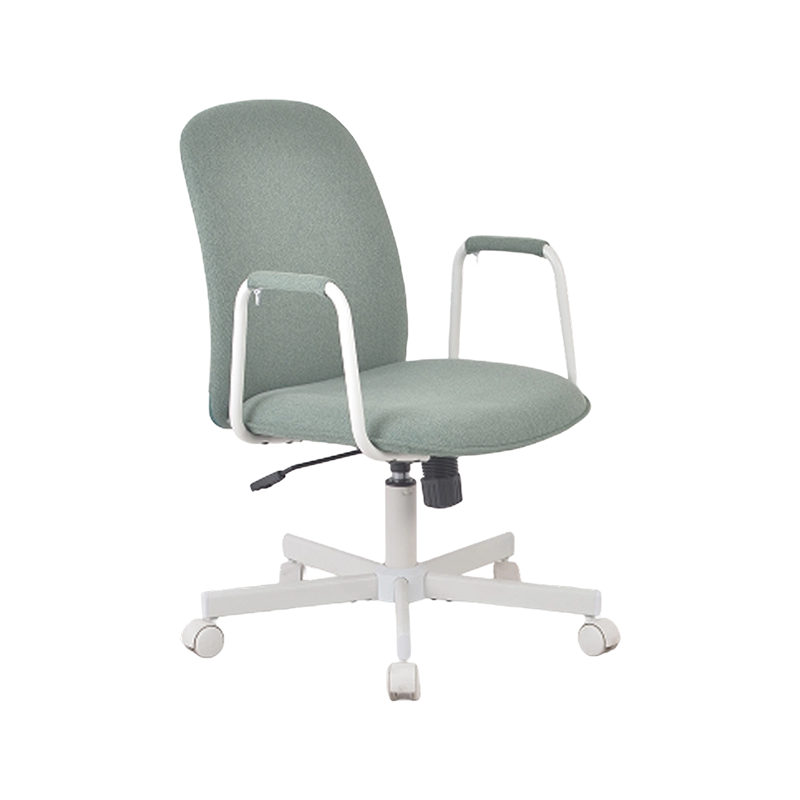
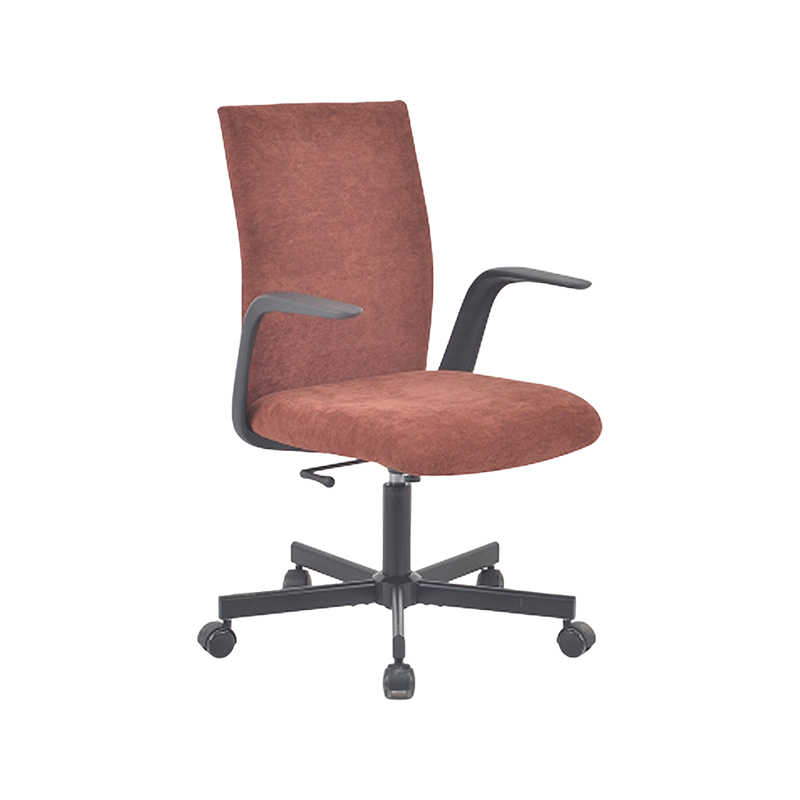
Compact Fixed-Arm White-Frame Fabric Chair For Tight Workspaces
-
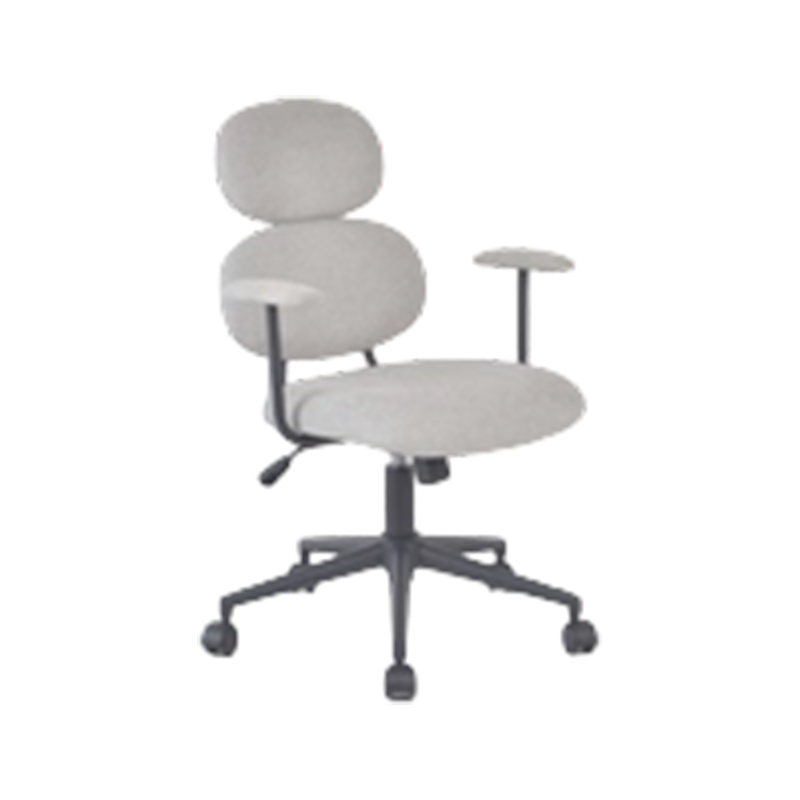
Compact Textured-Weave Home Desk Chair With Mini Butterfly Seat And Small Base
-
Slim-Profile Home Office Chair in Premium Woven Fabric With Steel Base
-
Narrow-Frame Locking Tilt Home Chair With Deep Seat For Compact Desks
-
Fixed-Arm Padded Home Office Chair With Fabric Seat And Steel Frame
-
Locking Tilt PP-Arm Home Chair With KD Steel Base And Extended Height Range
-
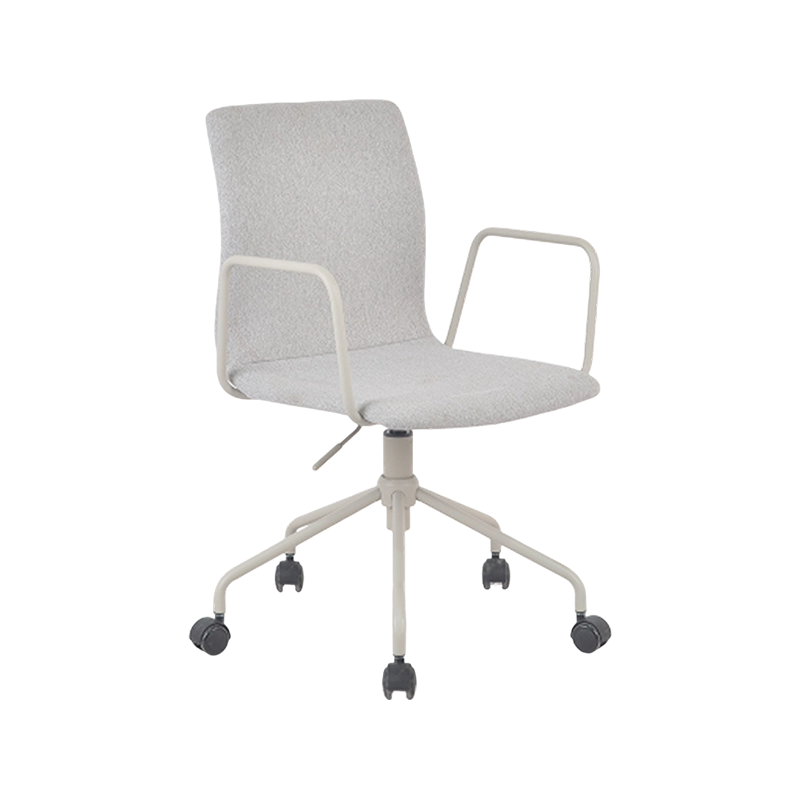
Low-Profile Grey Fabric Task Chair With Matching Steel Frame And Fixed Arms
-
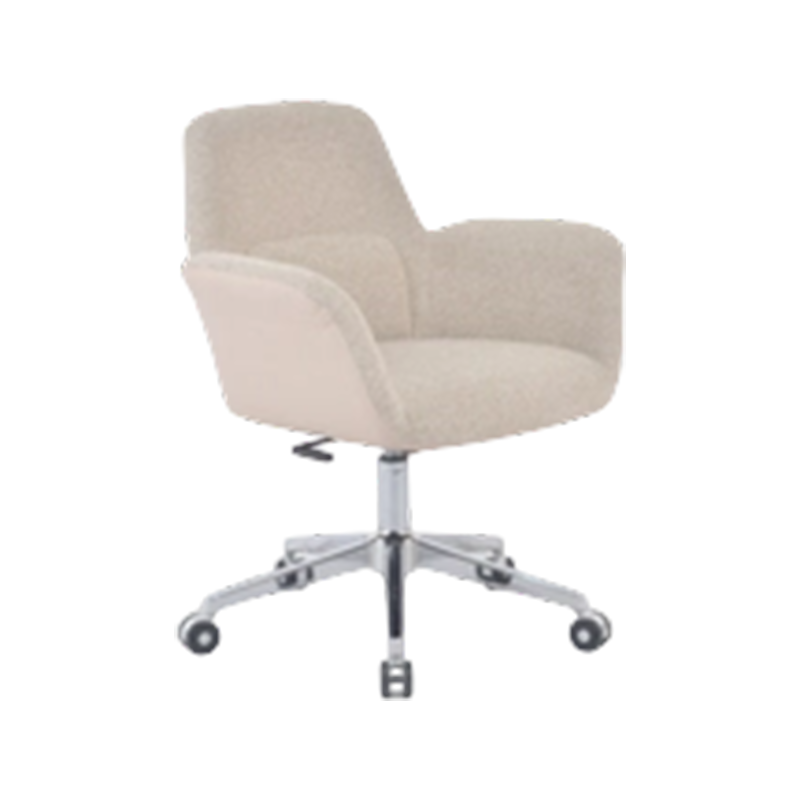
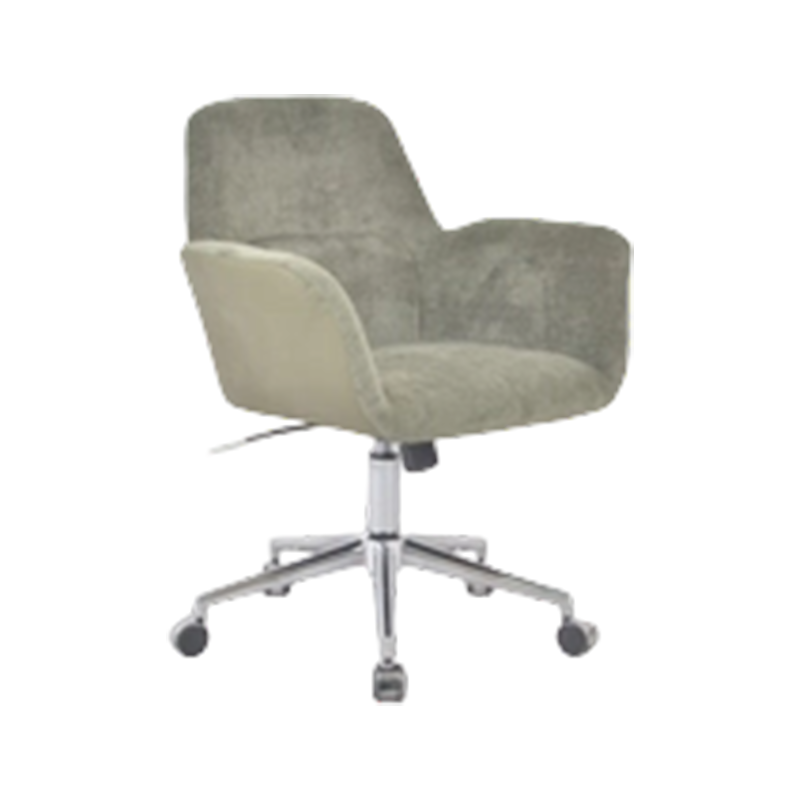
Height-Adjustable Upholstered Dining Chair With Chrome Base And Mixed Fabric-PU Seat
-
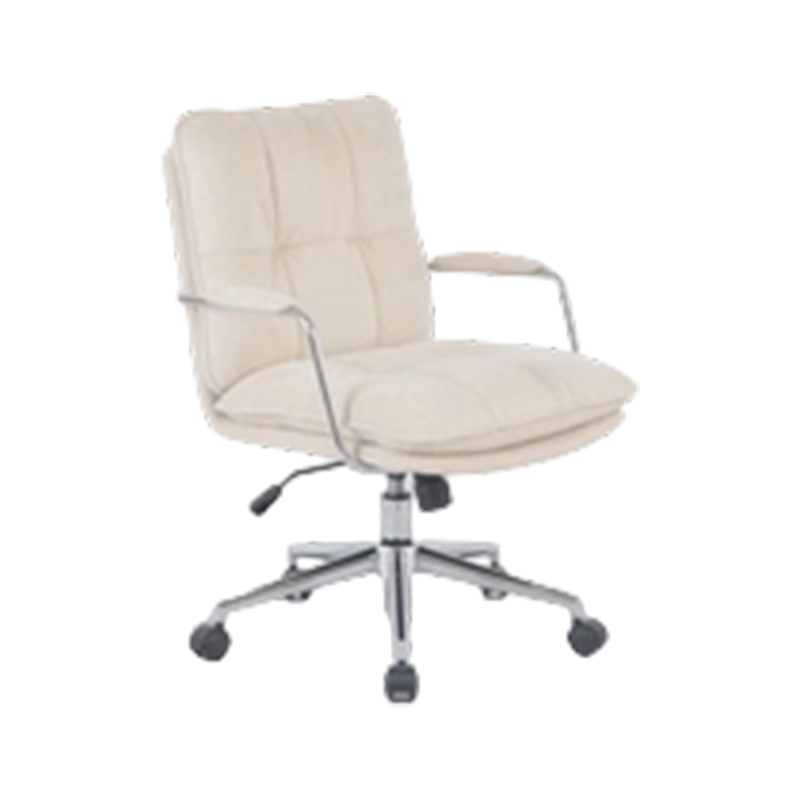
Dual Premium Upholstery Adjustable Dining Chair — Judy Fabric Back With Cole Agate PU Seat
-
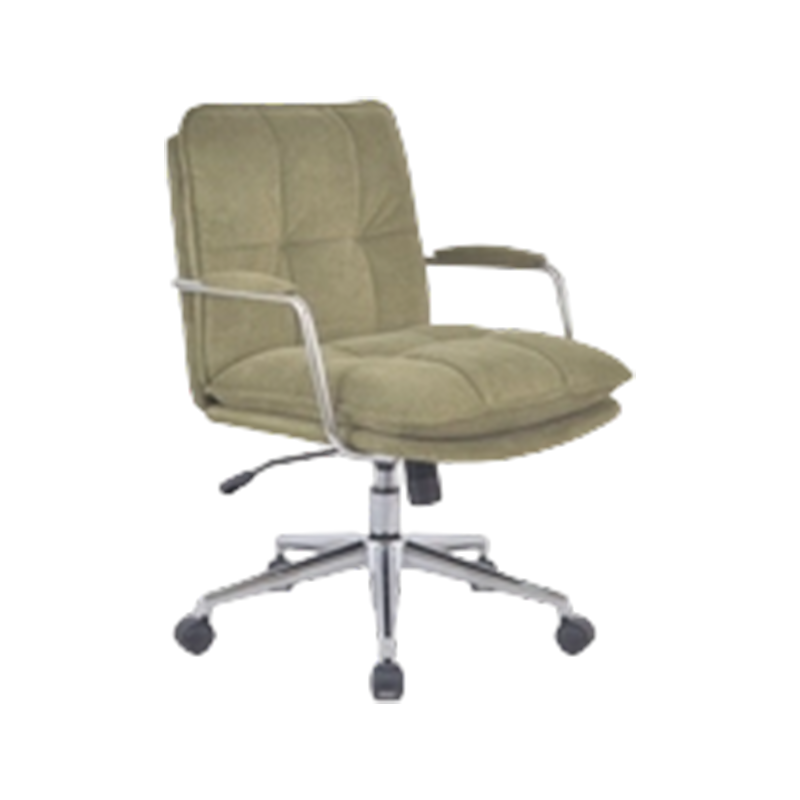
Chrome-Arm Fabric Adjustable Chair With Warm Wood Armrest Pads And KD Backrest Panel
-
Fabric Task Chair with Chrome-and-Wood Armrests, Mini Butterfly Tilt And Chrome Base
-
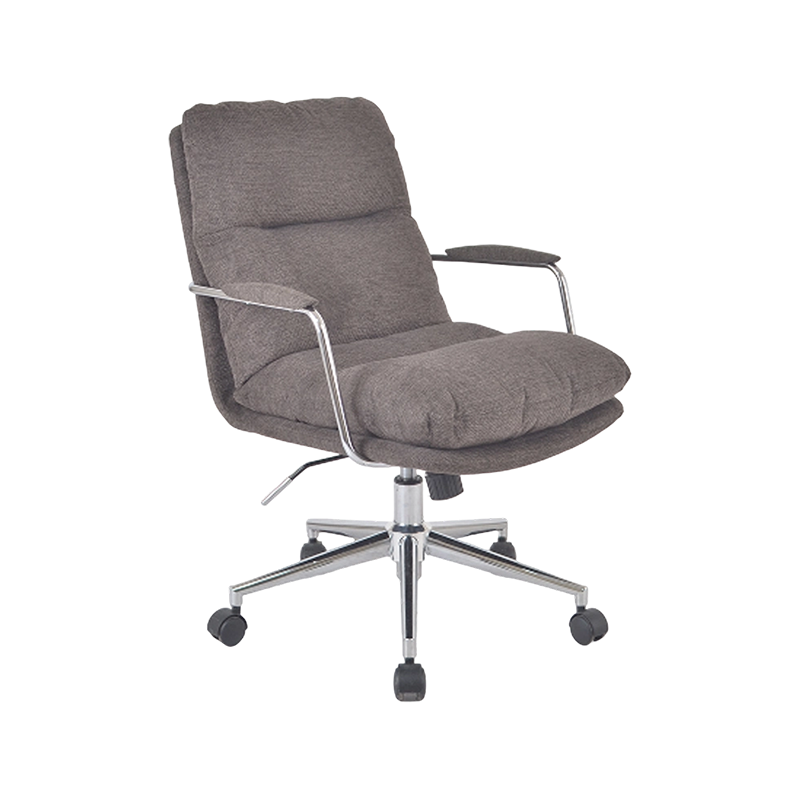
Wide Deep-Seat Fabric Chair With Fixed Padded Steel Arms And Chrome Star Base
Message Feedback
About Us
Professional Office Furniture Manufacturer
Founded in 2007, Zhejiang HAOGUO Furniture Co., Ltd. is a professional office furniture manufacturer integrating R&D, production, and sales. Office Furniture Manufacturer and Office Furniture Factory in China. The company focuses on the R&D and manufacturing of office chairs, sofas, and other office furniture. Equipped with professional, standardized, and modern production lines, it has an annual production capacity of 2 million pieces. Wholesale Office Chairs and Sofas. With stable quality and innovative design, the company's products are exported to more than 40 countries and regions worldwide, including Europe, the United States, the Middle East, and Asia, and are highly recognized by customers at home and abroad.
-
30+
Industry Experience
-
260+
Technical Staff
-
68000m2
Factory Area

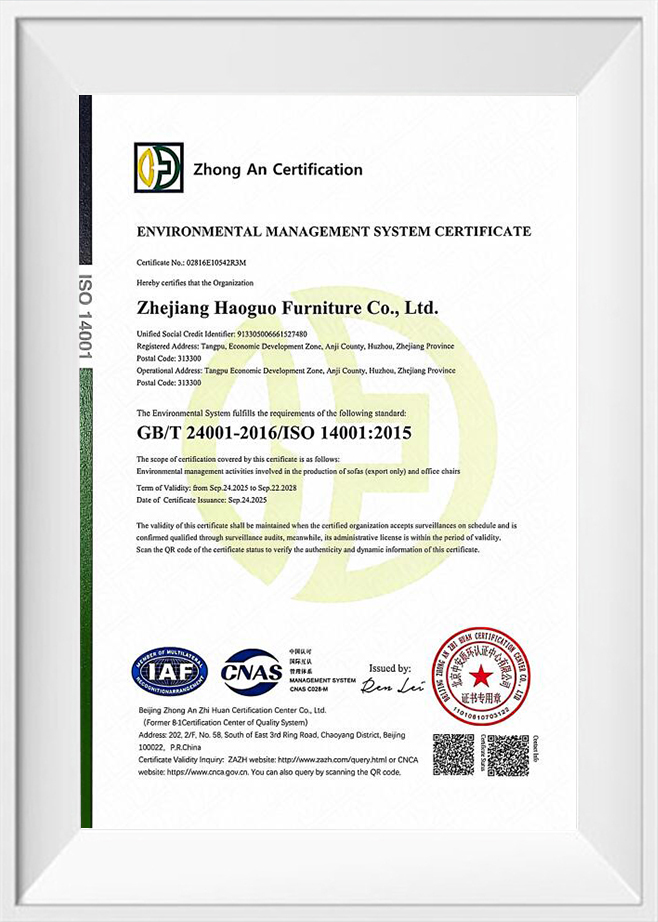
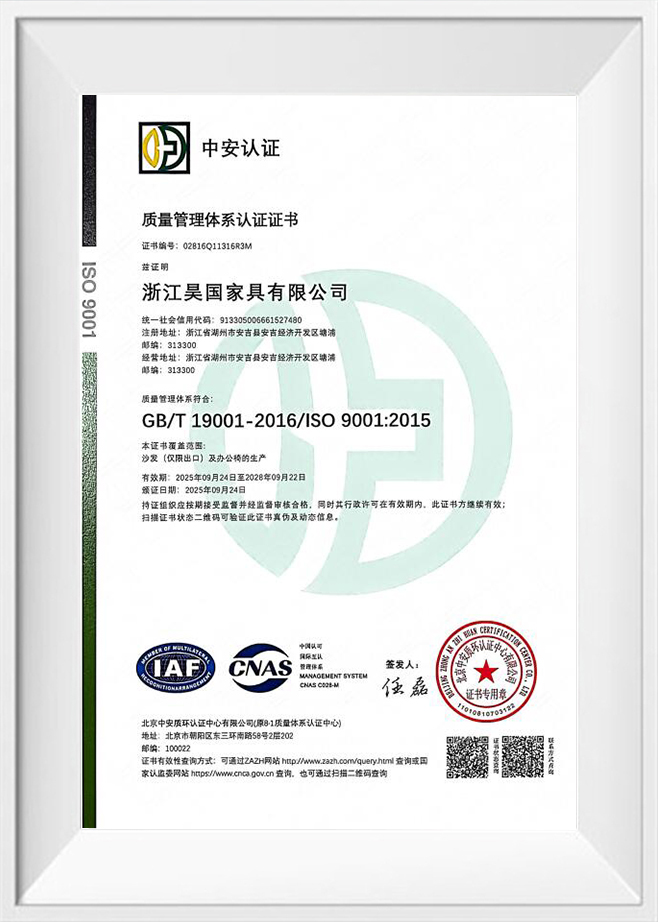
Certificate Of Honor
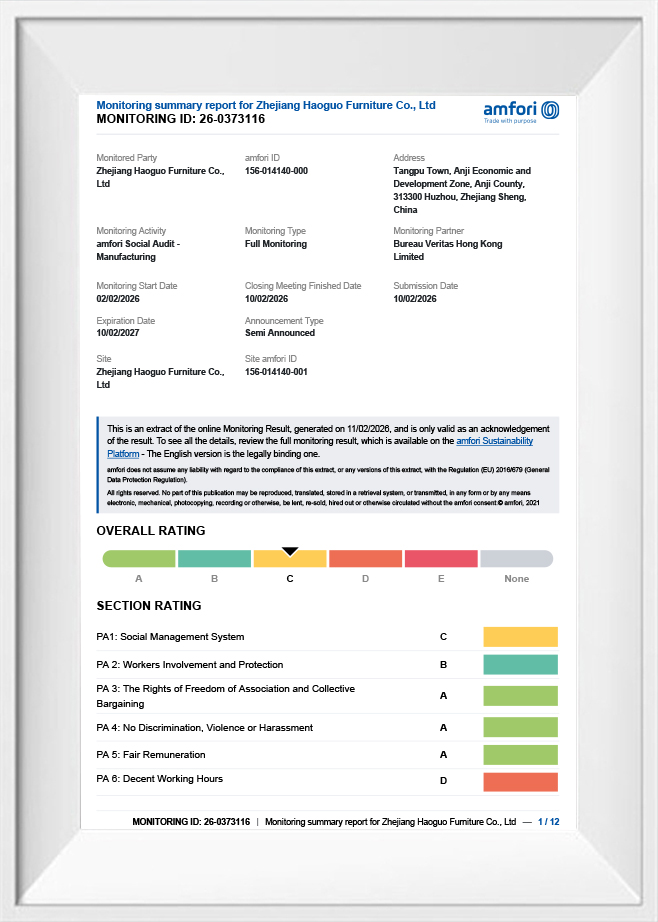
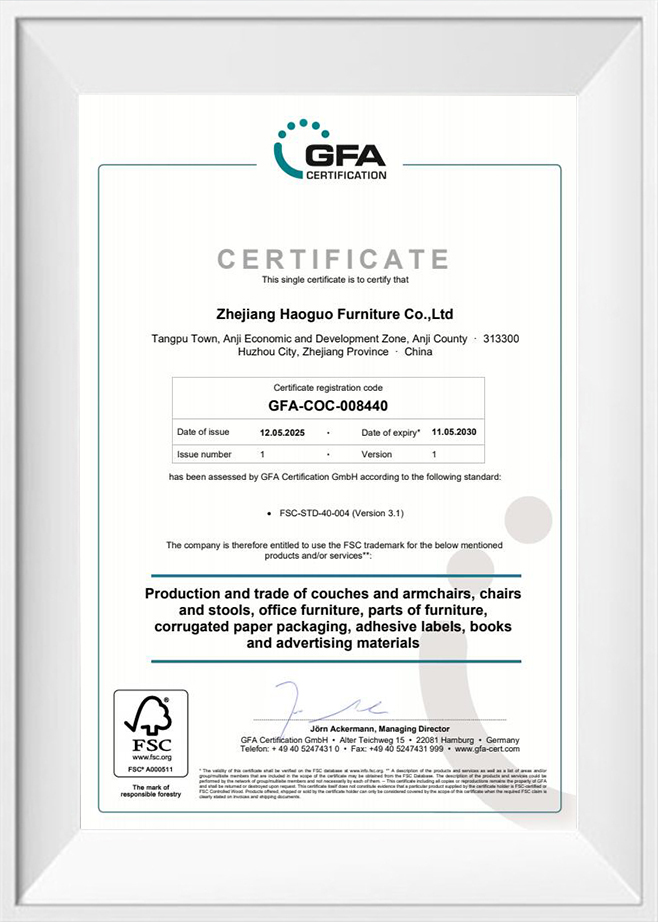
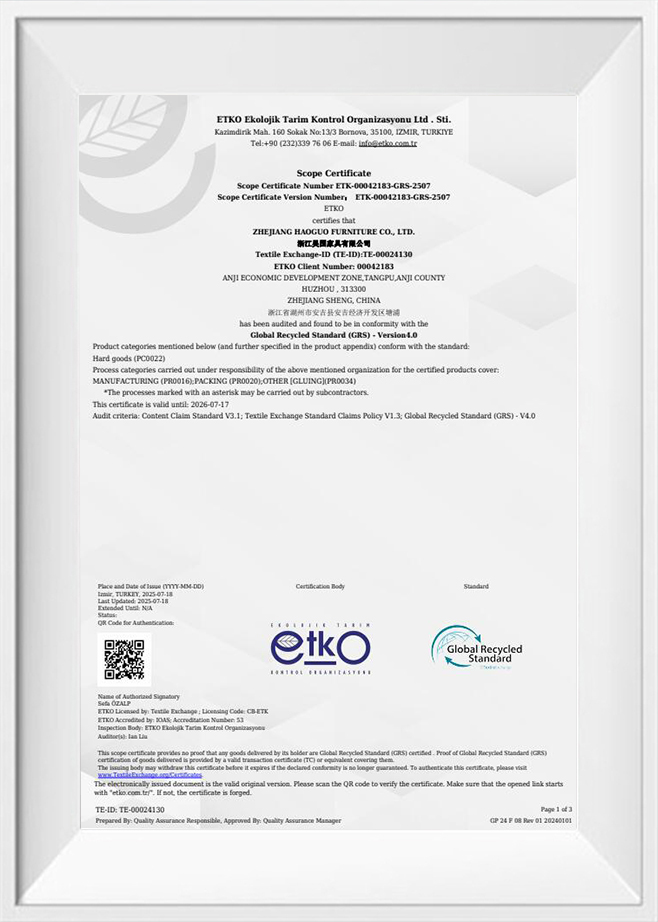
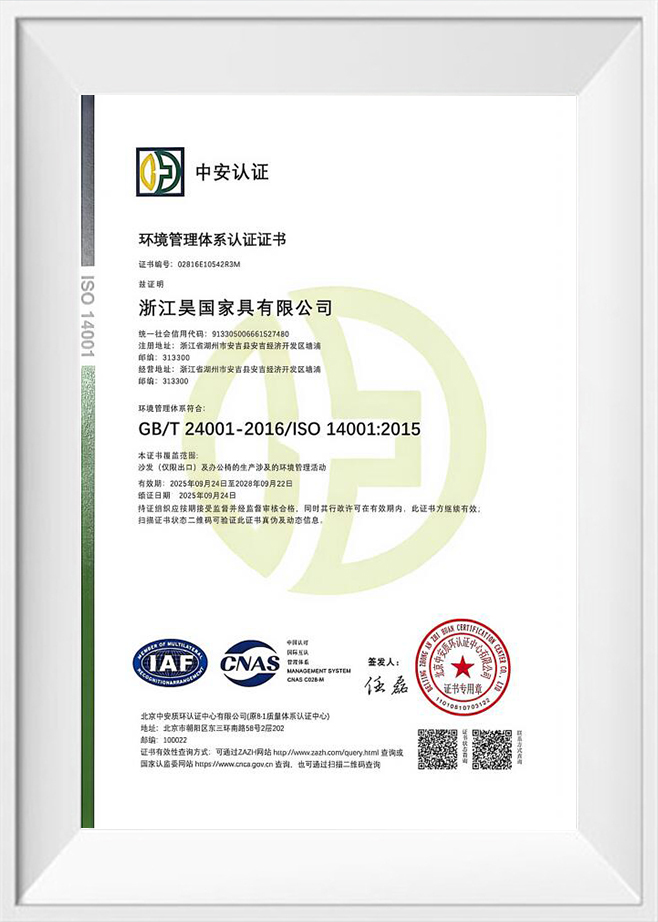
Industry Insights & Updates
Read More
Industry Knowledge
Panel Board Materials Used in Office Furniture and Their Performance Differences
The substrate material beneath the surface finish of a desk, cabinet, or partition panel has a significant impact on structural performance, weight, moisture resistance, and screw-holding strength — all of which affect how the furniture behaves over years of daily use. Particleboard (PB) remains the most widely used substrate in commercial office furniture due to its low cost and dimensional stability under stable humidity conditions. However, its screw-holding strength is notably lower than medium-density fiberboard (MDF) or plywood, which means joints in particleboard furniture rely more heavily on hardware-based connections such as cam locks and dowels rather than screw threads alone.
MDF offers a smoother, more uniform surface that accepts paint and veneer finishes with fewer imperfections, making it preferred for high-end decorative applications. Its weakness is moisture sensitivity — MDF swells and loses structural integrity when exposed to humidity above 70%, which disqualifies it from use in pantry areas or offices in tropical climates without protective edge treatment. Moisture-resistant (MR) grade MDF and particleboard incorporate urea-formaldehyde resins with added wax or melamine to reduce water absorption, and these are the appropriate specification for kitchenette-adjacent or humid-region installations. Plywood substrates, while more expensive, offer the best screw-holding capacity and structural rigidity and are commonly used for the internal frames of storage cabinets and load-bearing shelving.
Surface Finish Options for Office Furniture and Their Maintenance Implications
The surface finish of office furniture affects not only its appearance but also its resistance to abrasion, chemical cleaning agents, UV fading, and impact damage. Melamine-faced board (MFB) is the dominant surface finish in commercial office furniture globally. The melamine resin paper is thermally fused to the substrate under high pressure, producing a hard, cleanable surface rated by abrasion resistance class. Higher abrasion class ratings (AC3 and above, borrowed from flooring standards) indicate greater resistance to scratching and surface wear — relevant for desk surfaces that bear the constant friction of paper, keyboards, and arm contact.
| Finish Type | Scratch Resistance | Chemical Resistance | Repairability |
| Melamine (MFB) | High | Moderate | Low (chip not patchable) |
| Wood Veneer | Moderate | Low | High (sandable, refinishable) |
| Lacquer / Paint | Moderate | Moderate–High | Moderate (touch-up possible) |
| HPL Laminate | Very High | High | Low (panel replacement only) |
| Powder-Coated Steel | High | High | Low (chipping exposes substrate) |
High-pressure laminate (HPL) is the most durable panel surface available in commercial furniture, made by bonding multiple layers of kraft paper under extreme heat and pressure. It is the appropriate specification for reception counters, collaborative work surfaces, and any application subject to heavy daily contact or frequent cleaning with disinfectant agents. Wood veneer, while visually distinctive, requires more careful maintenance — alcohol-based cleaning products and standing water are both damaging — and is better suited for executive furniture in controlled environments than for open-plan workstations.
Formaldehyde Emission Standards and Why They Matter for Indoor Office Environments
Formaldehyde is a byproduct of the urea-formaldehyde (UF) and melamine-formaldehyde (MF) resins used as binders in particleboard, MDF, and plywood. In enclosed office environments with limited ventilation, off-gassing from these materials can accumulate to levels that cause respiratory irritation, headaches, and — with prolonged exposure — more serious health effects. Newly installed furniture has the highest emission rate, which declines over several weeks as the off-gassing process slows. This makes ventilation management during and after new furniture installation a practical occupational health concern, not merely a regulatory formality.
Emission standards set maximum allowable formaldehyde concentrations in the air above the panel surface. The most commonly referenced standards in global procurement are CARB Phase 2 (California Air Resources Board), the Japanese JIS/JAS F★★★★ (four-star) classification, and the European E1 standard. CARB Phase 2 and F★★★★ are currently the most stringent, limiting emissions to 0.05 ppm for hardwood plywood and composite wood panels. The E1 standard permits slightly higher emissions at up to 0.1 ppm. For offices targeting LEED or WELL certification, CARB Phase 2 compliance or equivalent is typically required for all composite wood furniture components, and procurement specifications should explicitly request the corresponding test reports rather than relying on label claims alone.
How Acoustic Performance Is Engineered Into Office Partition Systems
Open-plan offices consistently rank noise as the primary productivity disruptor, and partition systems are the primary architectural tool for managing it within a flexible floor plan. Acoustic performance in partitions is measured using two key metrics: the Sound Transmission Class (STC) rating, which measures how much airborne sound a partition blocks between two spaces, and the Noise Reduction Coefficient (NRC), which measures how much sound a panel surface absorbs rather than reflecting back into the room. A higher STC reduces sound transmission; a higher NRC reduces room reverberation. Both matter, but they address different acoustic problems.
Full-height demountable partitions with mineral wool or glass wool infill cores achieve STC ratings of 42 to 52, which is sufficient to provide speech privacy between enclosed meeting rooms. Workstation-height screens (typically 48 to 65 inches) primarily affect NRC rather than STC, since sound easily passes over the top of the panel. Fabric-wrapped panels with compressed fiberglass or recycled polyester batting achieve NRC values of 0.65 to 0.85, meaning they absorb 65 to 85 percent of incident sound energy rather than reflecting it. For open-plan layouts where full acoustic separation is not achievable, pairing high-NRC workstation screens with ceiling acoustic tiles and carpet flooring creates a layered absorption strategy that meaningfully reduces the ambient noise floor across the workspace.
Steel Gauge Specifications in Office Storage and Filing Furniture
Steel gauge is the thickness measurement for the cold-rolled steel used in filing cabinets, mobile pedestals, and storage units, and it directly determines the cabinet's resistance to denting, racking, and long-term deformation under load. In the North American gauge system, lower numbers indicate thicker steel — 18-gauge steel (approximately 1.2mm) is thicker and stronger than 24-gauge (approximately 0.6mm). Commercial-grade filing cabinets and storage units are typically constructed from 18 to 20-gauge steel for the body, with heavier 14 to 16-gauge used for drawer slides and base frames where load stress is concentrated.
A practical test for steel gauge adequacy in a filing cabinet is the anti-tip interlock system. Cabinets where two or more drawers can be opened simultaneously have no interlock and present a tip-over hazard once loaded with paper — a four-drawer lateral filing cabinet can weigh over 200 lbs when fully loaded and will tip forward at as little as 30 to 40 percent of its load if two drawers are open simultaneously. Quality commercial cabinets use a sequential interlock that physically prevents a second drawer from opening while another is extended. This is a structural safety feature, not a convenience feature, and should be specified as mandatory for any filing furniture in occupied office spaces.
Ergonomic Desk Height Standards and the Case for Height-Adjustable Surfaces
Fixed desk height in most commercial office furniture is set at 29 to 30 inches, which is calibrated for a seated user of approximately 5'9" to 5'11". For users shorter or taller than this range, a fixed-height desk creates a conflict between elbow position and keyboard height — either the elbows are elevated above the desk surface (causing shoulder elevation and trapezius strain) or the user must raise their chair until their feet no longer contact the floor (causing thigh compression and reduced circulation). Neither outcome is acceptable for sustained daily use.
Height-adjustable desks — both manual crank and electric motor-driven — address this problem by allowing the surface to be set at the precise elbow height for each user regardless of stature. Electric sit-stand desks additionally allow users to alternate between seated and standing postures throughout the day. Research consistently shows that alternating posture reduces musculoskeletal fatigue and metabolic risk associated with prolonged static sitting, though standing alone for extended periods introduces its own fatigue and vascular pressure issues. The practical benefit of a sit-stand desk is the ability to change posture, not standing per se, and desks with programmable height memory allow users to transition between two or three preset positions without manual readjustment during the workday.
Recommended Desk Height Ranges by User Height
| User Height | Seated Desk Height | Standing Desk Height |
| 5'0" – 5'3" | 24 – 26 in | 36 – 38 in |
| 5'4" – 5'7" | 26 – 28 in | 38 – 41 in |
| 5'8" – 5'11" | 28 – 30 in | 41 – 44 in |
| 6'0" – 6'3" | 30 – 33 in | 44 – 47 in |
Cable and Power Management as a Structural Design Consideration in Workstations
Integrated cable and power management is one of the most practically impactful features in a workstation system, yet it is frequently treated as an afterthought or optional add-on during procurement. In a modern office workstation, the average power and data load includes a desktop computer or docking station, two monitors, a desk lamp, a phone charger, and often a personal device charger — typically six to eight power outlets and multiple USB ports per user. Without designed cable pathways, this load results in exposed cabling along the floor or desk surface, which is both a tripping hazard and a cleaning obstacle.
Well-designed workstation systems route cables internally through the desk frame, emerging at designated grommets on the work surface or at raceway channels beneath the desktop edge. Power modules — integrated units that mount under the desk surface or within the modesty panel — bring power to the point of use without requiring extension cords across the floor. For benching systems with multiple users per run, spine cables routed through the central beam supply power to individual user modules from a single floor-mounted supply point, dramatically reducing the number of power drops required from the raised floor or ceiling. When specifying a workstation system, confirming the compatibility between the desk manufacturer's cable management accessories and the organization's standard power module format (typically IEC C13 or local plug standard) before procurement avoids costly retrofitting after installation.
What Demountable and Reconfigurable Furniture Systems Offer Beyond Flexibility
Demountable furniture systems — those designed to be disassembled, relocated, and reassembled without damage — are often specified primarily for their adaptability to changing headcount or layout needs. However, their advantages extend into areas that are relevant even when no reconfiguration is planned. From a total cost of ownership perspective, demountable systems can be depreciated differently than built-in construction in many accounting frameworks, since they are classified as movable assets rather than leasehold improvements. This distinction affects tax treatment and has practical implications for capital expenditure versus operational expenditure budgeting in corporate real estate decisions.
- Sustainability: Demountable systems can be relocated when a tenant moves rather than demolished and discarded, significantly reducing construction waste and the embodied carbon cost of a new fit-out at the next location.
- Phased installation: Systems can be installed in sections as business units expand or consolidate, avoiding the cost of fitting out space that is not yet occupied.
- Component-level replacement: Individual panels, worksurfaces, or brackets can be replaced without disturbing the entire installation, enabling targeted repair or aesthetic refreshes at a fraction of a full refurbishment cost.
- LEED and WELL contribution: The use of demountable systems can contribute to points under materials and resources categories in green building certification programs, specifically those addressing adaptability and waste reduction.
The practical limitation of demountable systems is installation complexity and the skill level required for reconfiguration. Systems with proprietary connection hardware require trained installers — attempting field reconfiguration without the correct tools or knowledge of the connection sequence frequently results in damaged components or structurally compromised assemblies. When evaluating demountable systems, the availability and cost of manufacturer-certified installation services in the target geography is a relevant procurement consideration alongside the initial product cost.

- Mobile
- Contact Us
-
-
+86-139 0582 1355

-
alan@haoguofurniture.com

-
Approximately 210 meters south of the intersection of Le San Road and Sanwanqiao Road in Anji County, Huzhou City, Zhejiang Province, China

-
Copyright ©
Zhejiang HAOGUO Furniture Co., Ltd.
Rights Reserved.
 Office Furniture Manufacturer Office Furniture Factory
