


 English
  Español
  عربى
عربى
Accent Chairs 101: Everything You Need to Know Before You Make a Purchase
Accent Chairs 101: Everything You Need to Know Before You Make a Purchase
Accent Chairs 101: Everything You Need to Know Before You Make a Purchase
Accent Chairs 101: Everything You Need to Know Before You Make a Purchase
Accent Chairs 101: Everything You Need to Know Before You Make a Purchase
Accent Chairs 101: Everything You Need to Know Before You Make a Purchase
Accent Chairs 101: Everything You Need to Know Before You Make a Purchase
Accent Chairs 101: Everything You Need to Know Before You Make a Purchase
Accent Chairs 101: Everything You Need to Know Before You Make a Purchase
Accent Chairs 101: Everything You Need to Know Before You Make a Purchase
Accent Chairs 101: Everything You Need to Know Before You Make a Purchase
Accent Chairs 101: Everything You Need to Know Before You Make a Purchase
Accent Chairs 101: Everything You Need to Know Before You Make a Purchase
Accent Chairs 101: Everything You Need to Know Before You Make a Purchase
Accent Chairs 101: Everything You Need to Know Before You Make a Purchase
Accent Chairs 101: Everything You Need to Know Before You Make a Purchase

Product Category
NEW Category
Contact us
Accent Chairs 101: Everything You Need to Know Before You Make a Purchase
Content
An accent chair works hardest when it is chosen for the room it will live in, not just for the way it looks in a showroom. The right chair adds visual interest, provides a comfortable place to sit, and balances the layout. The wrong chair—no matter how beautiful—can make a small room feel cramped, compete with the sofa, or fail to hold up to daily use. The starting point is understanding what an accent chair actually is and what it is supposed to do.
What Is an Accent Chair?
An accent chair is a one-seat chair selected to stand out visually while complementing everything around it. It can be the only bold color in a neutral room, the one curved silhouette among straight lines, or the textural contrast that makes a fabric sofa look richer. Unlike a standard armchair, which is usually chosen for comfort and function first, an accent chair is chosen for its visual contribution first. That does not mean comfort is unimportant; it means the design, placement, and proportion matter as much as how the chair feels when you sit down.
One point is worth repeating: an accent chair does not need to match the sofa. Matching can actually reduce the visual impact of both pieces. The goal is coordination, not duplication. A chair that shares a finish, a material tone, or a design era with the sofa will feel deliberate without looking overly staged.
Why Accent Chairs Improve Interior Design
Good accent chairs make a room look complete because they solve several design problems at once. They add colour, introduce texture, and fill awkward empty spaces.
Color and Pattern
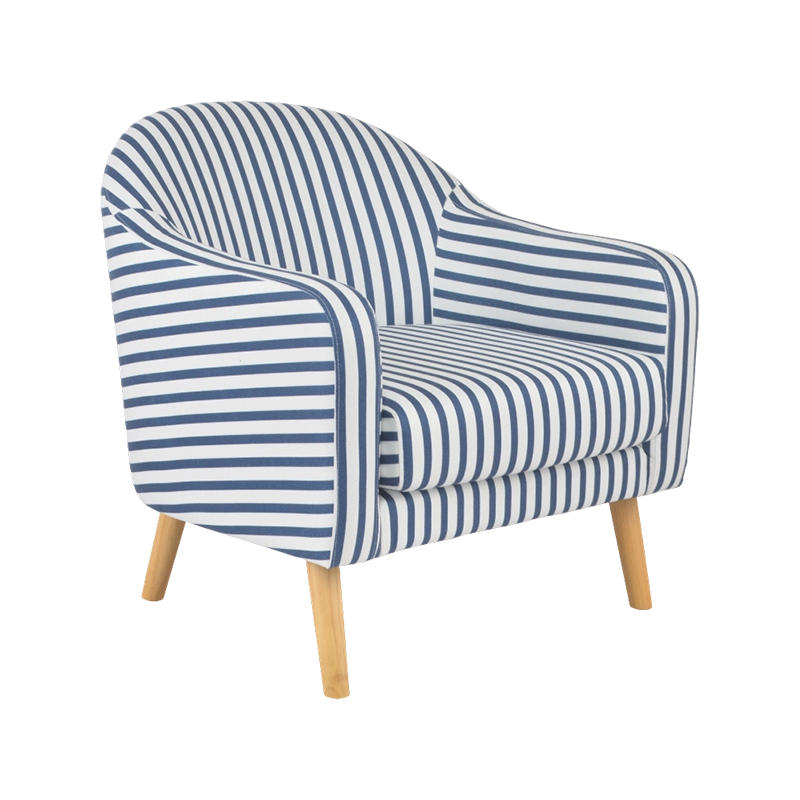
A well-placed accent chair can bring the missing color of a room’s palette into the space. If a rug contains a warm rust tone, a rust-colored chair makes the whole scheme feel intentional. The same applies to patterns: a plaid or striped chair can pull together solid fabrics that otherwise sit too quietly.
Texture and Shape
Texture is often overlooked. A boucle accent chair beside a leather sofa creates a tactile contrast that makes both pieces more interesting. Similarly, a curved or sculptural chair breaks up the rectangular lines of a sofa, bookcase, or wall unit. This is one of the easiest ways to add depth without adding clutter.
Space Planning
In open-plan rooms, an accent chair can define a reading corner, create a conversation area, or give a wide circulation path a natural stopping point. By placing the chair at an angle or near a window, you can make a large room feel more intimate and a small room feel more purposeful.
Where to Place an Accent Chair
Living Room
The living room is the most common location. Place the chair beside the sofa on the longer side of the room, angled slightly toward the coffee table. If the sofa is large, one accent chair can balance it; if the sofa is compact, two matching chairs on the opposite side create symmetry. Leave enough clearance for people to walk behind the chair without brushing against it.
Bedroom
An accent chair turns a bedroom into a more comfortable retreat. Position it by a window for a natural reading spot, beside the bed as a clothing valet, or at the foot of the bed as a styling anchor. Bedrooms usually work well with a soft fabric or upholstered chair because it visually lowers the noise of a busy room.
Dining Room and Breakfast Nook
One or two accent chairs can replace standard dining chairs at the ends of a table. This works especially well in rectangular dining rooms where the head chairs need a slightly more decorative presence. In a breakfast nook, an occasional chair with a slim profile keeps the space from feeling overfurnished.
Entryway and Hallway
Entryways benefit from a compact armless chair because it provides somewhere to sit while putting on shoes without blocking traffic. Choose a durable fabric or easy-to-clean material in these high-traffic spots.
The Most Popular Types of Accent Chairs
Wingback Chairs
Wingback chairs have high curved backs and winged sides that frame the shoulders. They bring a formal or traditional feel to a room and work well in corners, where the tall back adds a vertical anchor. Modern versions use lower profiles and softer cushioning for a more casual look.
Club and Tub Chairs
Club chairs are low, deep, and generously padded, often with rolled or rounded arms. They are among the most comfortable accent chairs for daily use. Tub chairs are similar but have a rounded back that curves around the body, creating a slightly more defined space. Both styles suit living rooms and lounges where people want to sit for more than a few minutes.
Slipper Chairs
Slipper chairs have no visible arms and sit close to the floor. Their simplicity makes them excellent for small rooms, hallways, and bedrooms. Because they take up less visual space, slipper chairs allow the fabric or color to do the talking.
Swivel Chairs
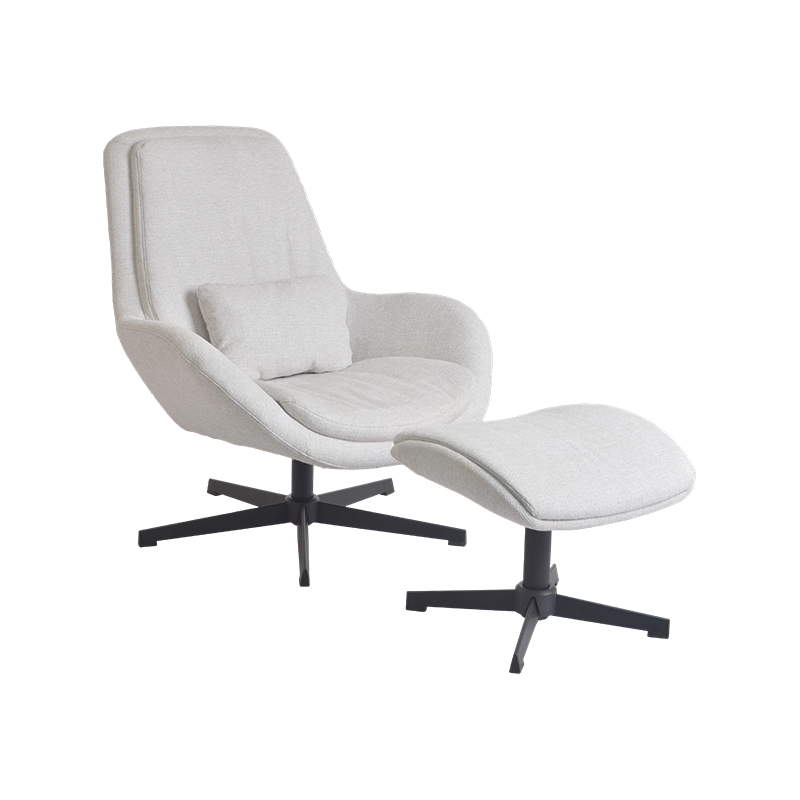
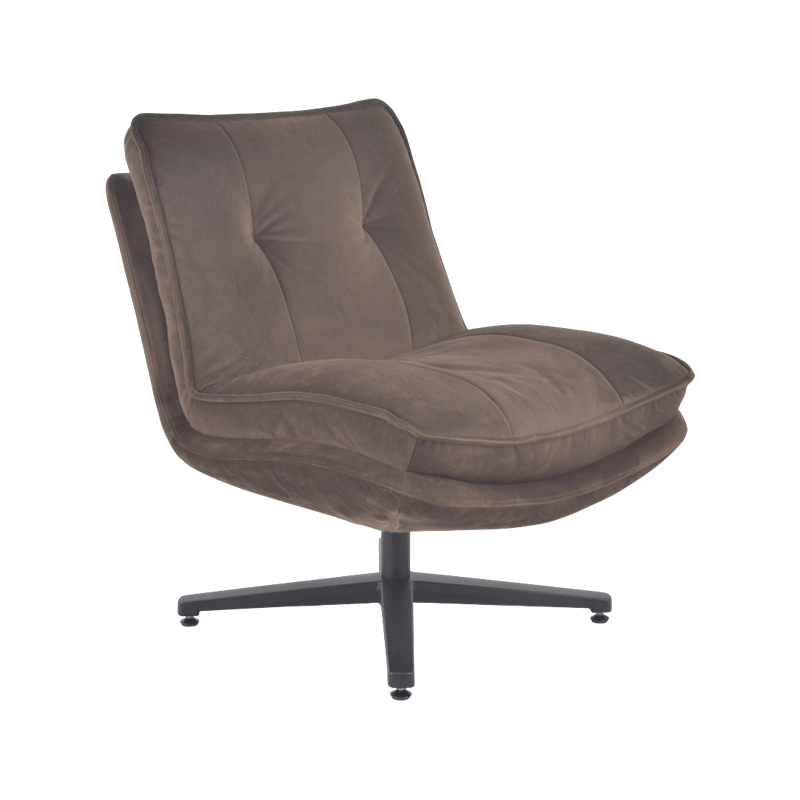
Swivel accent chairs rotate, which makes them practical in conversation areas and open-plan rooms. They also add a subtle playfulness because they invite movement. A modern velvet swivel accent chair is a good example of how a soft finish can soften the otherwise functional feel of a rotating base.
Statement and Sculptural Chairs
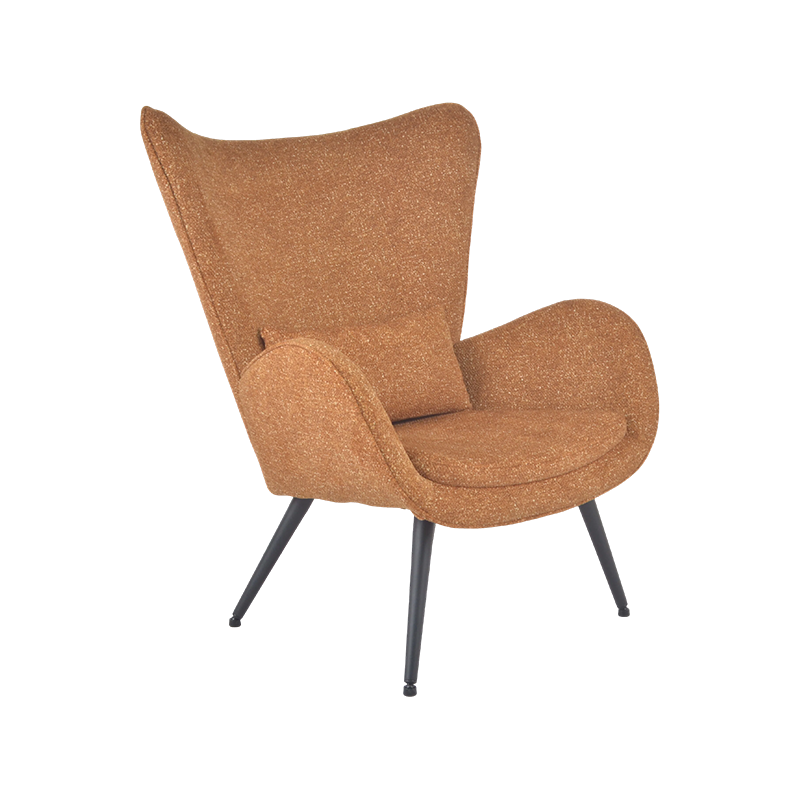
Some accent chairs are chosen purely for their silhouette. Curved, organic, or oversized forms become the focal point of a room even before anyone sits on them. These work best in spaces with otherwise neutral furniture. An organic modern sculptural accent chair can stand alone in a corner and still make the whole room feel designed.
Berniere and Occasional Chairs
Berniere chairs combine a wooden exposed frame with upholstered back and seat, offering a classic transitional look. Occasional chairs is a broader term used for chairs that are meant to be moved around, placed as needed, and used less formally. They tend to have lighter frames and simpler lines.
How to Choose the Right Accent Chair
Measure the Room First
Start with dimensions before style. An accent chair should be proportional to the room and the sofa, not just the visual space in a product photo. Most accent chairs are between 30 and 40 inches wide, but the exact number matters less than how it relates to your existing furniture. Use the rough guide below as a starting point.
| Dimension | Typical Range | Quick Check |
|---|---|---|
| Chair width | 30–40 in / 76–102 cm | Narrower than the sofa; leave breathing room on both sides |
| Seat height | 18–20 in / 46–51 cm | Close to sofa seat height, not more than 2 in higher |
| Seat depth | 20–24 in / 51–61 cm | Knees should bend at roughly 90 degrees with a few inches between knees and seat edge |
| Overall height | 30–40 in / 76–102 cm | Low backs suit windows and open rooms; high backs anchor corners and large walls |
Style and Color Coordination
Think in terms of contrast. If the sofa is solid and neutral, use an accent chair with a stronger color, pattern, or texture. If the sofa already has a pattern, choose a solid chair in a tone pulled from that pattern. Avoid forcing every piece to share the same finish; a mix of wood tones and metal legs often feels more natural.
Materials, Construction, and Comfort
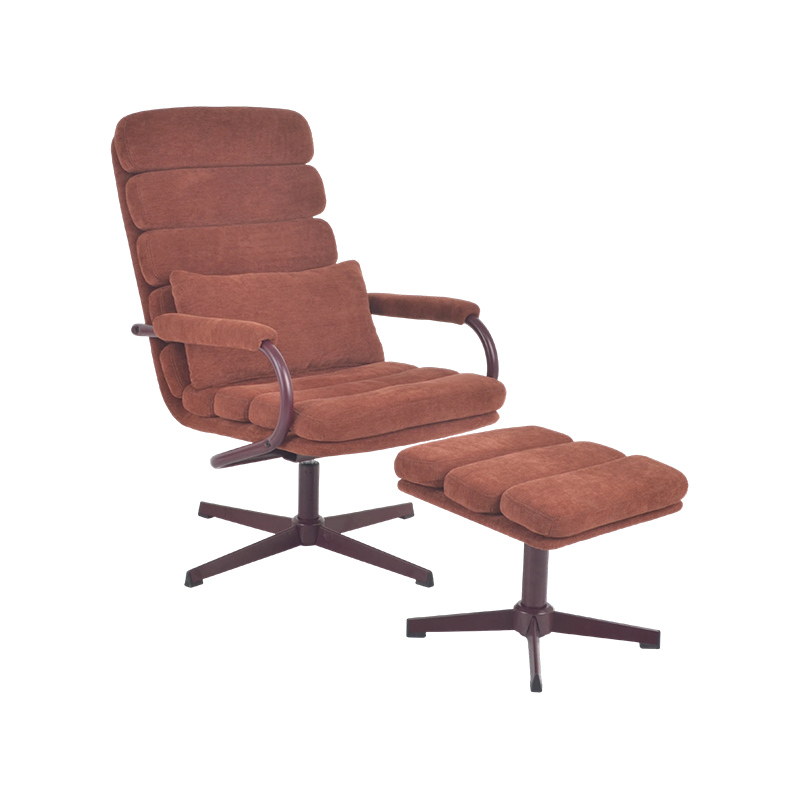
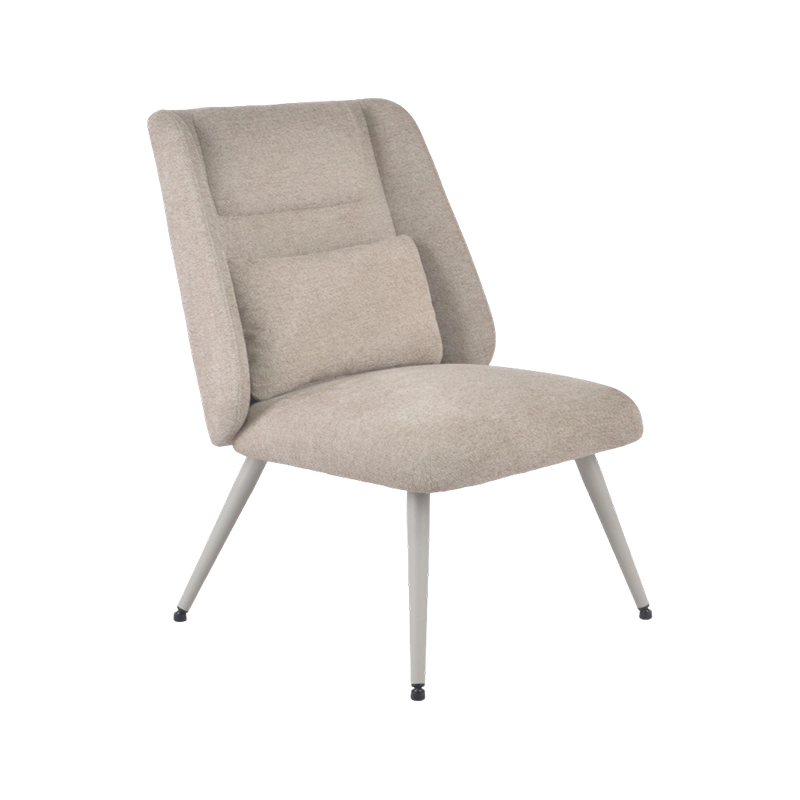
Accent chairs get touched, leaned on, and moved around more than people expect. The frame, foam, and fabric determine whether the chair still looks good after two years. Look for hardwood frames, steel or reinforced plywood supports, and high-density foam that returns to shape quickly. For fabrics, consider how much use the chair will receive; velvet looks rich but needs more upkeep, while boucle adds texture but can show wear in high-traffic homes. If the chair is meant for everyday sitting, lumbar support matters more than visual drama. A sturdy minimalist accent chair with lumbar pillow shows how a simple design can balance comfort and clean lines.
Quantity and Budget
One accent chair is enough in most rooms, but two identical chairs can frame a fireplace, TV console, or window. Two chairs also make a conversation area feel balanced when placed opposite a long sofa. On a limited budget, focus on chair structure and fabric quality first; decorative details can be adjusted with a cushion or throw. A slightly higher upfront cost usually pays off because the chair will remain comfortable and presentable for longer.
Quality and Sourcing Considerations
Accent chairs look simple, but the hidden details decide whether they last. Kiln-dried wood avoids warping, steel plates and brackets prevent joints from loosening, and seam tension controls how well upholstery holds its shape. If you are buying one chair for a residential room, you can check these details in person. If you are sourcing for a hotel, lounge, office reception, or retail project, you need to verify them before placing an order.
This is where the manufacturing background matters. A dedicated production facility gives you visibility into how the chair is assembled and tested. The furniture manufacturing facility behind HAOGUO produces seating in high volume, which is relevant when you need consistent quality across a large order. The company overview also shows the company’s experience with both residential and contract seating projects.
For commercial buyers, ask about knockdown versus assembled shipping, fabric grade options, and sample approval before bulk production. Accent chairs with a compact knockdown structure reduce freight costs and make warehouse handling easier. If you are working on a project with specific design requirements, contact the manufacturer directly to confirm lead times and customization possibilities.
Final Thoughts
An accent chair does not need to be loud or expensive to be effective. It needs to be the right size, made from materials that can handle real use, and placed where it can support the layout instead of fighting it. Start with the room dimensions, decide what the chair should add, and resist the urge to match everything too closely. When those basics are in place, the chair becomes more than decoration: it becomes one of the most practical pieces of furniture in the room.
PREV:Tariffs on Furniture from China in 2026: A Practical Guide for Importers
NEXT:Leather Office Chair Manufacturers: A Buyer’s Guide to Quality at
NEXT:Leather Office Chair Manufacturers: A Buyer’s Guide to Quality at

Featured News

- Mobile
- Contact Us
-
-
+86-139 0582 1355

-
alan@haoguofurniture.com

-
Approximately 210 meters south of the intersection of Le San Road and Sanwanqiao Road in Anji County, Huzhou City, Zhejiang Province, China

-
Copyright ©
Zhejiang HAOGUO Furniture Co., Ltd.
Rights Reserved.
 Office Chair Manufacturers
Dining Chair Manufacturers
Office Chair Manufacturers
Dining Chair Manufacturers
